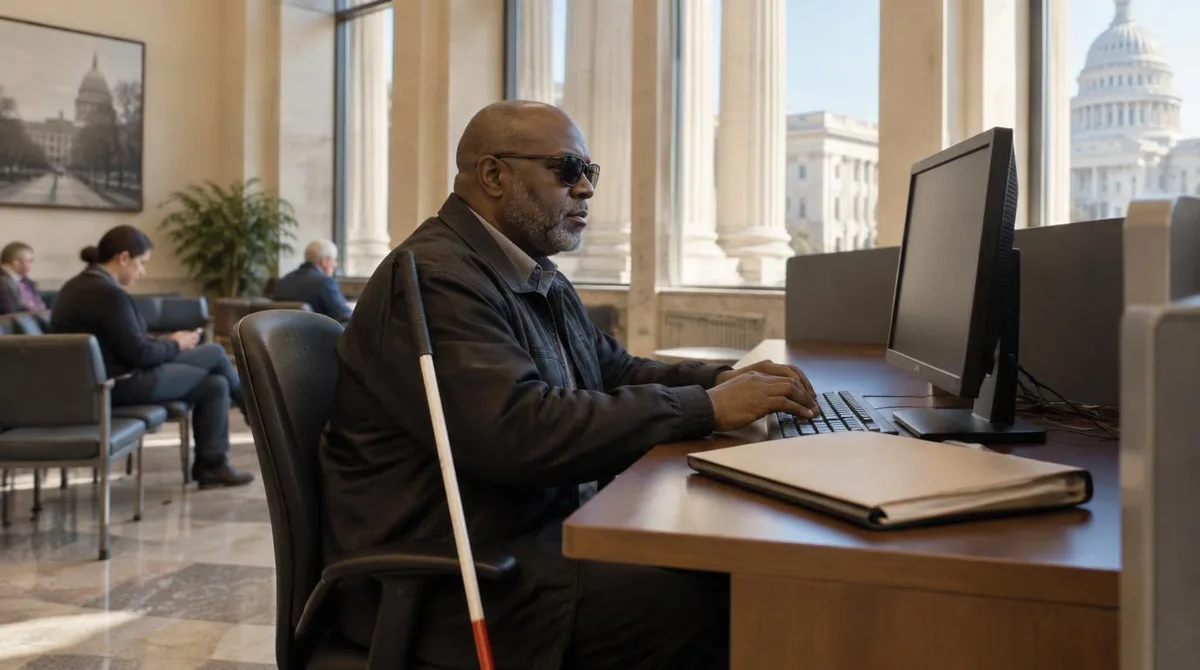
Old systems survive because replacing them is harder, slower, and riskier than it looks. Here is how legacy technology actually works in government, and what catching up really costs.
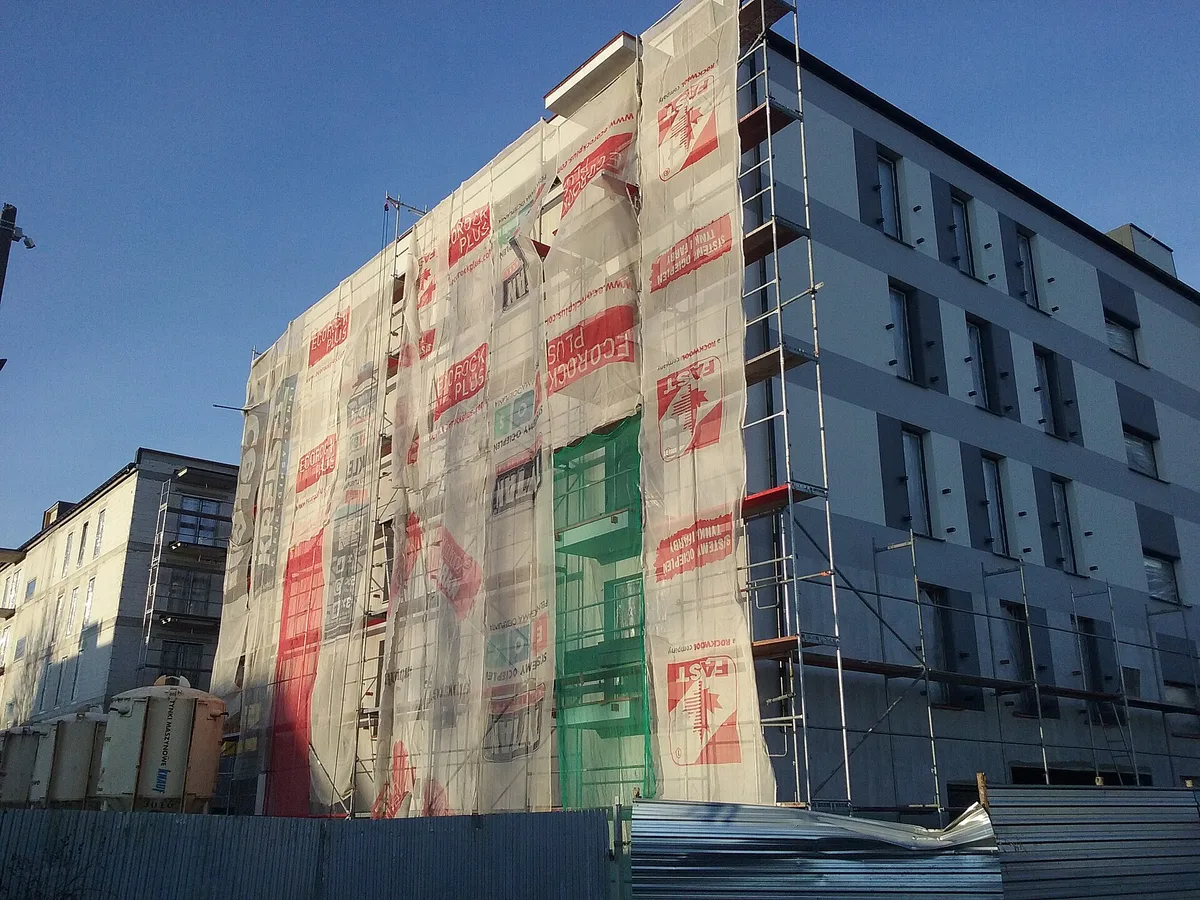
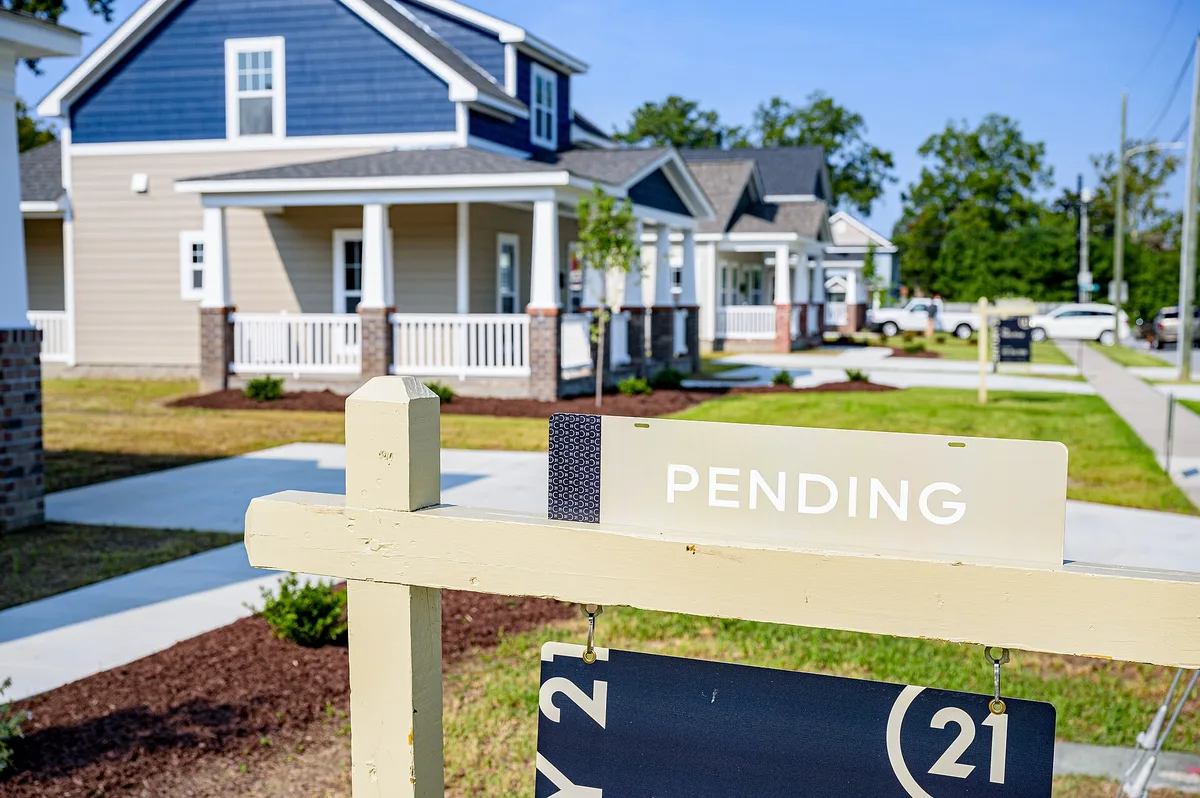
The funding behind affordable housing: the Capital and Operating Funds for public housing, and the tax credit program that drives most new affordable units.
Most federal regulations must be proposed in public, opened to written comment from anyone, and justified in writing before they take effect. Here is the sequence, the deadlines, and what makes a comment worth reading.
Counties run elections, courts, jails, roads, and property assessment for about 3,000 local jurisdictions — the layer of government most Americans interact with without noticing it.
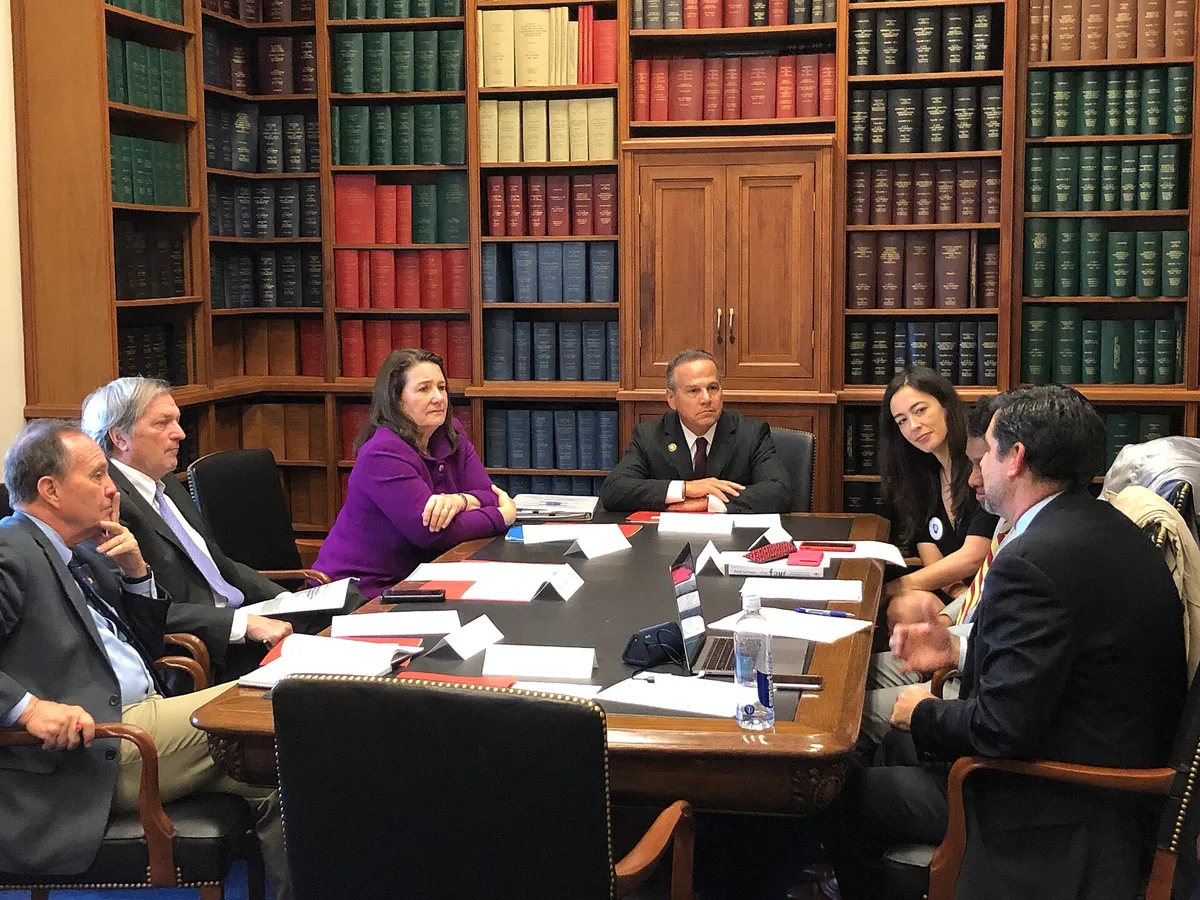
An oversight hearing lets a congressional committee question officials about how a program is run. Here is how the process moves from an invitation, to a possible summons, to the follow-up that comes after the gavel falls.
A widely used management model ranks how people respond when something goes wrong. It maps surprisingly well onto how government agencies answer for their failures.
The two words get used interchangeably in government and at work. They mean different things, and the gap between them is where oversight finds most of its problems.
The 2.8 percent cost-of-living adjustment announced in October 2025 raises the average retired-worker benefit by about $49 a month starting with January payments.
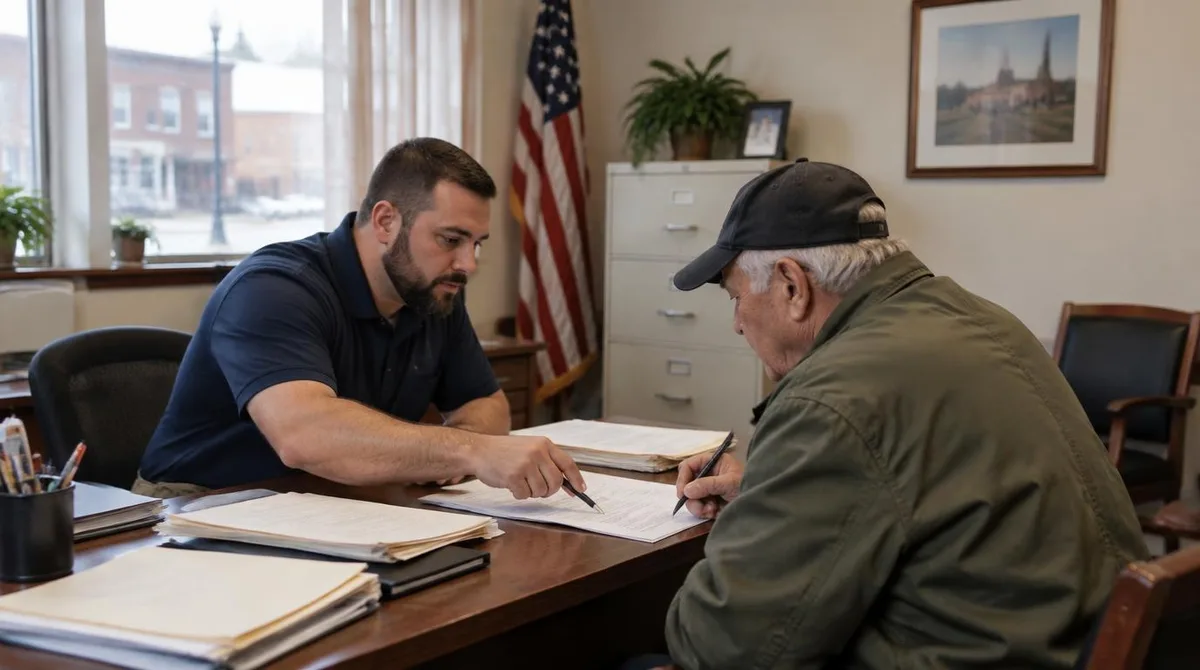
Social Security's annual raise is a formula, not a vote in Congress. Here is how the calculation works and what it means for the benefit increase that took effect in January 2026.
The Empire Center's annual payroll report is public money laid out line by line. Here is how the data works, what the 2026 numbers say, and how to check them yourself.