Foreign affairs is the work a government does with other countries: negotiating treaties, protecting citizens abroad, managing trade disputes, and keeping channels open when relations sour. It runs through a foreign ministry — in the United States, the State Department — and through embassies and consulates around the world. What happens there affects you more directly than the word suggests, from the passport you carry to the price of imported goods.
The word itself is simple. As Vocabulary.com explains, the adjective "foreign" is based on the Latin word foris, meaning "outside," and it describes anything involving another country or its people — a foreign office deals with matters outside a nation's own borders. Foreign affairs, then, is simply government business that crosses a border.
This guide explains how that machinery works: who runs it, what diplomats do all day, and where you, as a citizen, come into the picture.
What does a foreign ministry actually do?
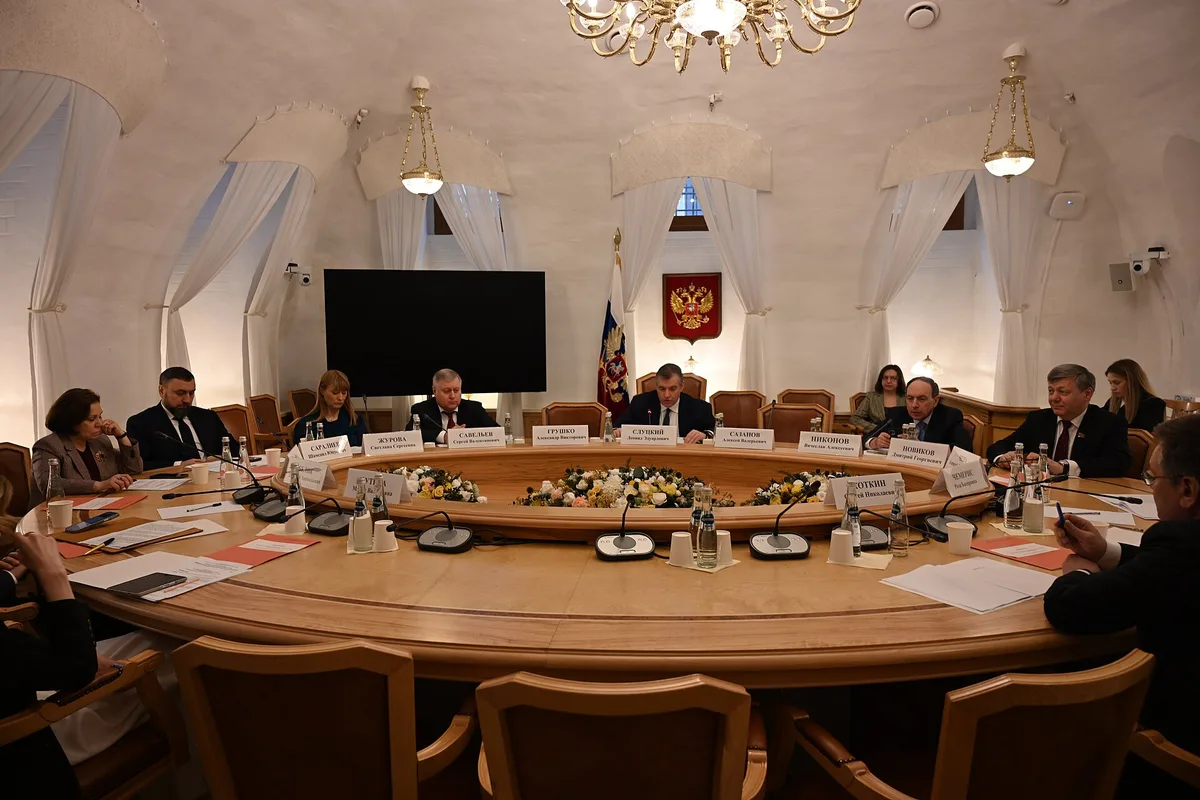
A foreign ministry is the government department responsible for dealings with other nations. Its core jobs fall into a few buckets. It advises the head of government on relations with other countries. It negotiates treaties and agreements. It runs the embassies and consulates that represent the country abroad. And it serves citizens who travel, live, or do business overseas.
The ministry also speaks for the government internationally. When a country votes at the United Nations, signs a trade deal, or issues a statement about a crisis, that position was almost always shaped and cleared by the foreign ministry. Consistency matters: a government cannot tell one country one thing and another country the opposite without paying a price in trust.
At home, the ministry coordinates. Trade policy involves commerce agencies. Border questions involve interior departments. Defense issues involve the military. The foreign ministry is the thread that keeps the country speaking with one voice abroad — which is why, in most systems, it reports directly to the head of government rather than sitting deep in the bureaucracy.
What do diplomats do day to day?
The popular image of diplomacy is state dinners and signed treaties. Most of the work is smaller and steadier. A diplomat's daily job is to represent their country's interests and report back what they learn.
That reporting role is central. Embassy staff meet local officials, business leaders, journalists, and community figures, then write cables home describing what is happening in the host country and how it might affect their own. Good reporting gives a government early warning — of an election shift, a new regulation, a brewing dispute — before it reaches the headlines.
Then there is the service side. Consular officers help citizens who lose a passport, get arrested, or face a disaster abroad. They process visas for people who want to visit or immigrate. This is the most direct contact many people ever have with diplomacy, and it is where the work most often touches an ordinary household.
Finally, diplomats negotiate. Not every negotiation ends in a treaty; most are routine matters — landing rights for airlines, customs rules, cooperation on shared problems like public health. The craft lies in finding terms both governments can accept, then selling those terms at home.
How does a decision travel from ministry to daily life?
Follow one decision through the system and the machinery becomes clear. Suppose two countries want to reduce tariffs on a category of goods. Negotiators from each foreign ministry and trade agency meet, often for months, and draft an agreement. The foreign ministry clears the text; lawyers check it against existing law; the head of government's office weighs the politics.
Then the domestic process begins. In many countries, a major treaty needs legislative approval before it takes effect. In the United States, that can mean Senate ratification or implementing legislation — the same machinery described in how a bill becomes law, step by step. Only after that does the agreement change anything real: importers pay less duty, prices shift, exporters find new customers.
The same route applies to less visible decisions. A new visa rule set by one ministry changes who can take jobs in another country. A diplomatic recognition decision can open or close markets overnight. Foreign affairs reaches a payroll, a household budget, and a local employer through these quiet, procedural steps far more often than through dramatic summits.
What powers does a foreign ministry have — and not have?
Foreign ministries are powerful in their lane and constrained outside it. They control diplomatic representation: where embassies open, who serves as ambassador, whether relations are downgraded. They issue travel advisories and handle diplomatic protection. They manage the formal paperwork of statehood — recognition, treaties, diplomatic credentials.
But they do not control everything that touches other countries. Trade rules, immigration law, and defense policy belong to other departments, and legislatures hold the purse. In the United States, Congress controls funding and can shape policy through legislation; the executive branch conducts diplomacy within those limits. The relationship between a leader's foreign policy and the rest of government is its own subject — how executive orders work, and where their limits are covers one piece of it.
There is also a legal boundary. Diplomats work under long-standing international rules that grant them protections in host countries, but those protections come with duties: they must not interfere in the host country's internal politics. When that line is crossed, the usual remedy is expulsion of the diplomat, which damages relations on both sides.
How does this connect to domestic government?
Foreign affairs is one half of a government's external life; the other half is domestic, and the two constantly overlap. A trade agreement is domestic economic policy with a foreign face. Sanctions on another country are enforced by domestic banks and customs officers. Immigration is foreign policy that lands at an airport counter.
Even the vocabulary overlaps. The phrase "affairs of state" covers government business generally, including the foreign kind — what the phrase means and how government business becomes public record traces thatconnection. And when foreign commitments require money, they run through the same appropriations process as every other program, as explained in how the federal budget process works, from request to appropriations.
For readers, the practical takeaway is that foreign affairs is not a distant specialty. It is a set of rules and relationships that shape prices, travel, jobs, and safety. You can follow it the way you follow any government function: through the foreign ministry's own publications, treaty texts, and congressional hearings, all of which are public records.
What this means for readers
Our analysis of how the system works comes down to three points. First, most diplomacy is routine administration, not drama — and routine administration is where the measurable effects on daily life occur. Second, foreign ministries are coordinators, not monarchs; treaties and major commitments usually need approval from other parts of government, which is where citizens can weigh in through their representatives. Third, the whole system depends on records: negotiations may be confidential, but outcomes — treaties, agreements, votes — become public documents you can read yourself.
If you want to see the machinery in action, start with your own foreign ministry's website. Treaty texts, travel advisories, and policy statements are published there. For coverage of how government programs and accountability connect to these functions, the site's affairs section gathers related explainers. And note the standing caveat: this is an independent publication, not a government agency; it cannot process applications or give official determinations, and individual questions belong with the relevant agency's official channel.