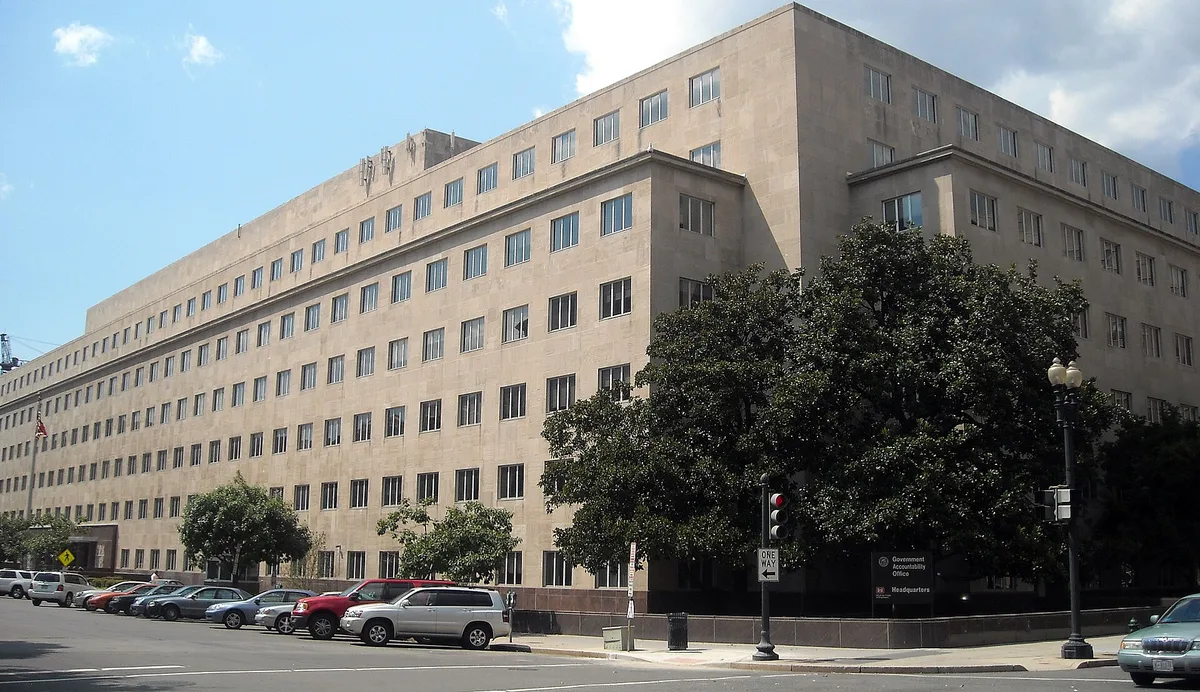
When a federal agency loses track of payments, stumbles on a big technology project, or lets a program drift, someone usually catches it. The people who catch it work in government accountability offices — audit and investigative bodies such as the Government Accountability Office (GAO) and agency inspectors general. Their job is to check the work of the executive branch on behalf of Congress and the public, and their findings are the raw material of most oversight you hear about.
How does a finding become change? Slowly, and only if someone acts on it. An audit documents a problem. An agency then agrees or disagrees with the finding and commits to a fix. Congress, the press, and the public keep the pressure on. That last step is where accountability actually happens — and where it most often stalls.
The whole arrangement rests on a design choice made at the founding. As the White House explains in its overview of the Constitution, the framers split power into three branches and built checks and balances so that no single branch could dominate. Auditing bodies are a modern extension of that idea: Congress cannot supervise a two-million-person workforce from the House floor, so it employs auditors to look closely on its behalf.
What are the main government accountability offices?
Three bodies do most of this work at the federal level. Each has a different boss, a different scope, and a different relationship to the agency it examines.
| Body | Who it answers to | What it does |
|---|---|---|
| Government Accountability Office (GAO) | Congress | Audits programs, evaluates policy, investigates at lawmakers' request, and issues legal opinions |
| Inspectors general (IGs) | Each agency, with reporting duties to Congress | Audit and investigate their own agency's programs and staff |
| State and local auditors | State legislatures, voters, or city councils | Examine state agencies, cities, school districts, and local spending |
The GAO sits outside the agencies it reviews. Inspectors general work inside them, which gives them proximity and expertise but also raises a fair question: how independent can an internal watchdog be? The answer varies by administration and by agency, and it is one of the livelier debates in oversight circles. Both models matter, and neither substitutes for the other.
How does an audit actually work?
An audit is a structured examination, not a fishing trip. The mechanics look roughly like this:
- A request or mandate starts the work. A lawmaker asks the GAO to study a program, or an inspector general launches a review under its own authority.
- Auditors gather evidence. They pull records, interview staff, test whether payments followed the rules, and compare practice against the law.
- The agency gets a draft. Auditors share findings with the agency before publication, and the agency can respond in writing.
- The report is published. Findings, the agency's response, and recommendations all appear in the final document.
- Follow-up begins. Auditors track whether the agency implements the recommendations — sometimes for years.
That last step is the one most people never see. A recommendation an agency never implements is a finding without a consequence, which is why follow-up letters and repeat findings are such a fixture of this beat.
What happens after a report is published?
Publication is the midpoint, not the finish line. Once a report lands, several things can happen, and none of them is automatic.
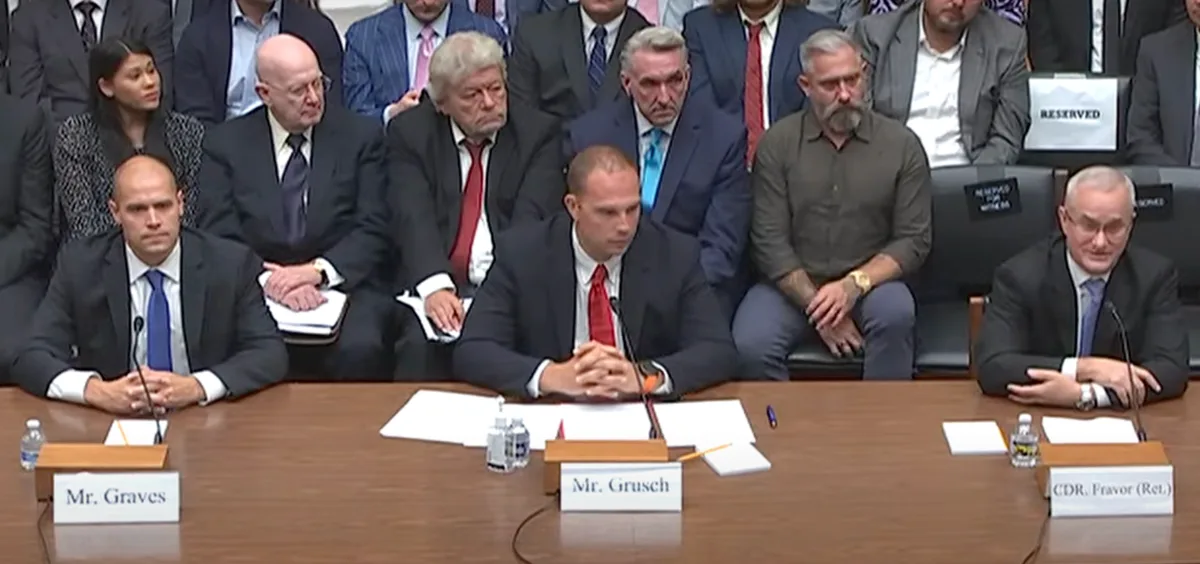
The agency can accept the finding and commit to corrective action. It can also push back, arguing the auditors misread the facts or the law. Congress can hold hearings, which we cover in detail in How Congressional Oversight Hearings Work. Lawmakers can attach conditions to funding. Journalists can amplify the findings. None of this guarantees a fix. For related coverage, see How Congressional Oversight Hearings Work, From Witness Summons to Follow-Up Letters.
What this means for you as a reader: treat every audit report as the start of a story, not the end of one. The report tells you what went wrong. The next question — did it get fixed? — takes longer to answer, and the auditors themselves usually answer it in a follow-up.
Why do the same problems keep coming back?
Ask any oversight reporter and you will hear the same frustration: the findings rhyme. Overpayments recur because the underlying data systems cannot reliably match records. Technology projects slip because agencies start with weak planning and no one is empowered to stop a failing project early. The roots repeat even when the specific programs change.
This is not a conspiracy; it is a structural pattern. Fixing a payment system or replacing a decades-old computer system costs money, takes years, and produces no ribbon-cutting. Auditors can document the problem every cycle. Only agency leadership and Congress can fund and force the cure. Our analysis: the gap between finding and fixing is the real accountability problem, and it is bigger than any single audit.
Some problems are so persistent that auditors maintain standing lists of them. The GAO's high-risk series flags federal operations most vulnerable to waste and failure — and our coverage of the federal government's trouble spots, all in one list shows how long some entries stay there.
How can you find and read these reports yourself?
Every one of these reports is public. You do not need a journalist to read them, and the primary document is always better than any summary of it.
Start with the agency itself. Most audit bodies publish their reports on their own websites, and the A-to-Z index of U.S. federal agencies from the official government portal USA.gov is the fastest way to find any department's site and contact information. From there, look for an "Oversight" or "Office of Inspector General" section.
When you read a report, three things deserve your attention. First, the recommendation — it tells you what the auditors concluded should change. Second, the agency's response — it tells you whether the agency agrees. Third, the date — program rules and figures age fast, and a report from several years ago may describe a problem that has since been fixed or grown worse.
A caution worth stating plainly: SocialGov is an independent publication, not a government agency or official portal. We cannot process applications or give individual determinations. For answers about your own case with any program, the agency's own channel is the place to go.
The takeaway: watchdogs find the problems; the rest of us decide whether they matter
Government accountability offices do the unglamorous work of checking the books, testing the systems, and putting findings on the record. Their reports give Congress, the press, and the public a shared set of facts. What those facts produce depends on follow-through — by agencies, by lawmakers, and by readers who keep asking what happened next.
If you want to go deeper, the guide to how federal inspectors general work explains the internal-watchdog model in detail, and accountability versus responsibility untangles two words people often swap by mistake. The full accountability section tracks new findings as they land.