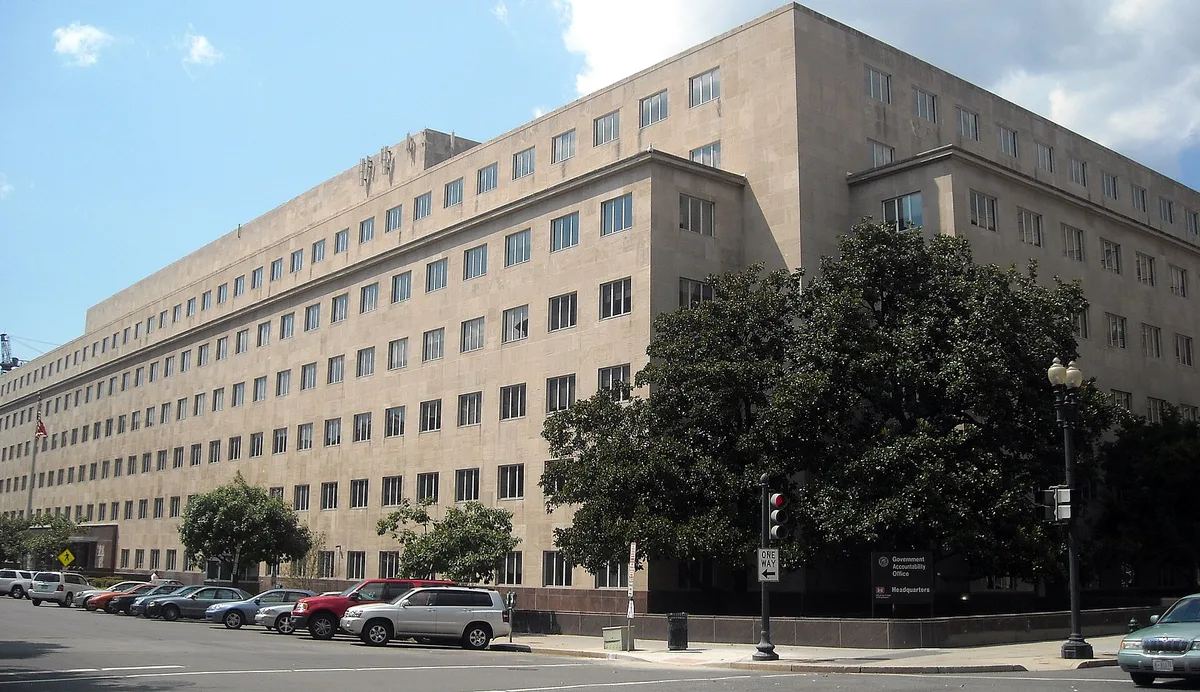
Government accountability offices: the watchdogs explained
Who checks the work of federal agencies, how audits happen, and what turns a finding into actual change.
Audit reports, inspector general findings, oversight hearings and whistleblower disclosures summarized with what agencies accepted and what they rejected.
Who checks the work of federal agencies, how audits happen, and what turns a finding into actual change.
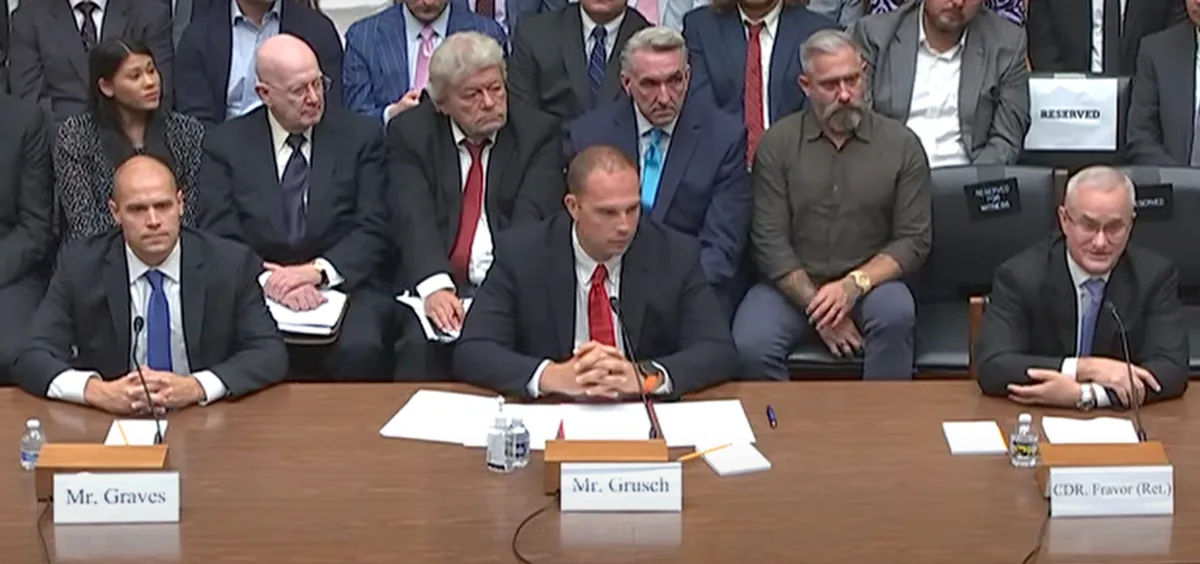
An oversight hearing lets a congressional committee question officials about how a program is run. Here is how the process moves from an invitation, to a possible summons, to the follow-up that comes after the gavel falls.
A widely used management model ranks how people respond when something goes wrong. It maps surprisingly well onto how government agencies answer for their failures.

The two words get used interchangeably in government and at work. They mean different things, and the gap between them is where oversight finds most of its problems.
Famous lines about truth-telling and ownership carry practical rules for how oversight really works.
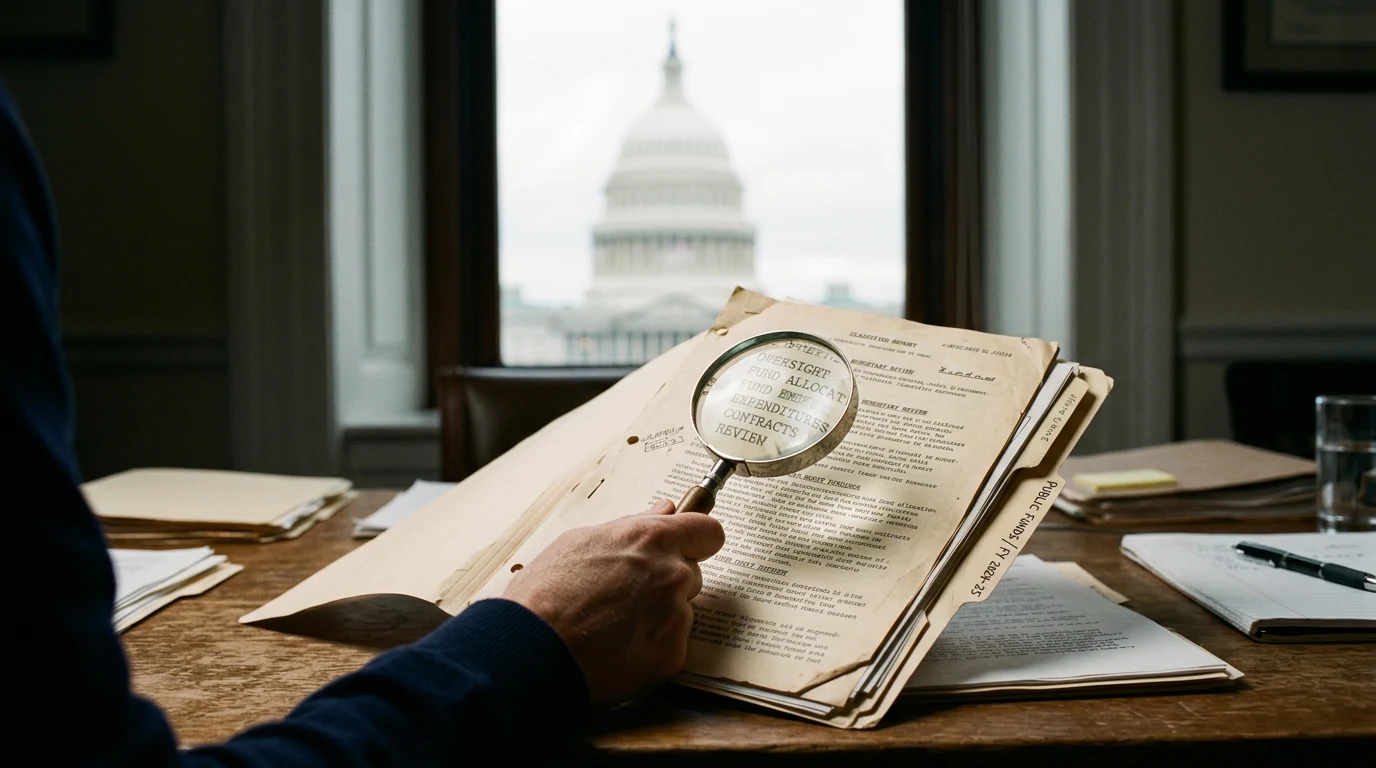
Inspectors general audit and investigate their own agencies, then report to both the agency head and Congress on a schedule set by statute. Here is the mechanism, the deadlines, and where to read the reports yourself.