
Foreign affairs explained: what diplomats and foreign ministries actually do
A plain-language guide to the machinery that manages a country's dealings with every other country.
A plain-language guide to the machinery that manages a country's dealings with every other country.

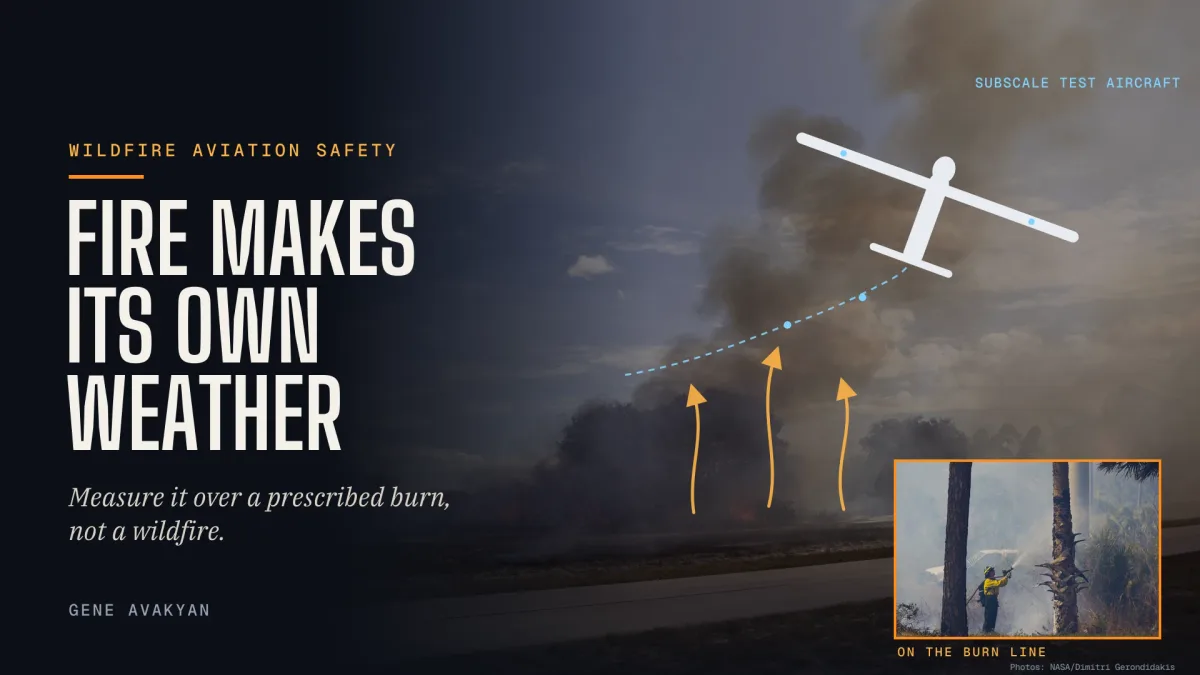
The 2026 fire season was hard on the people who fly.
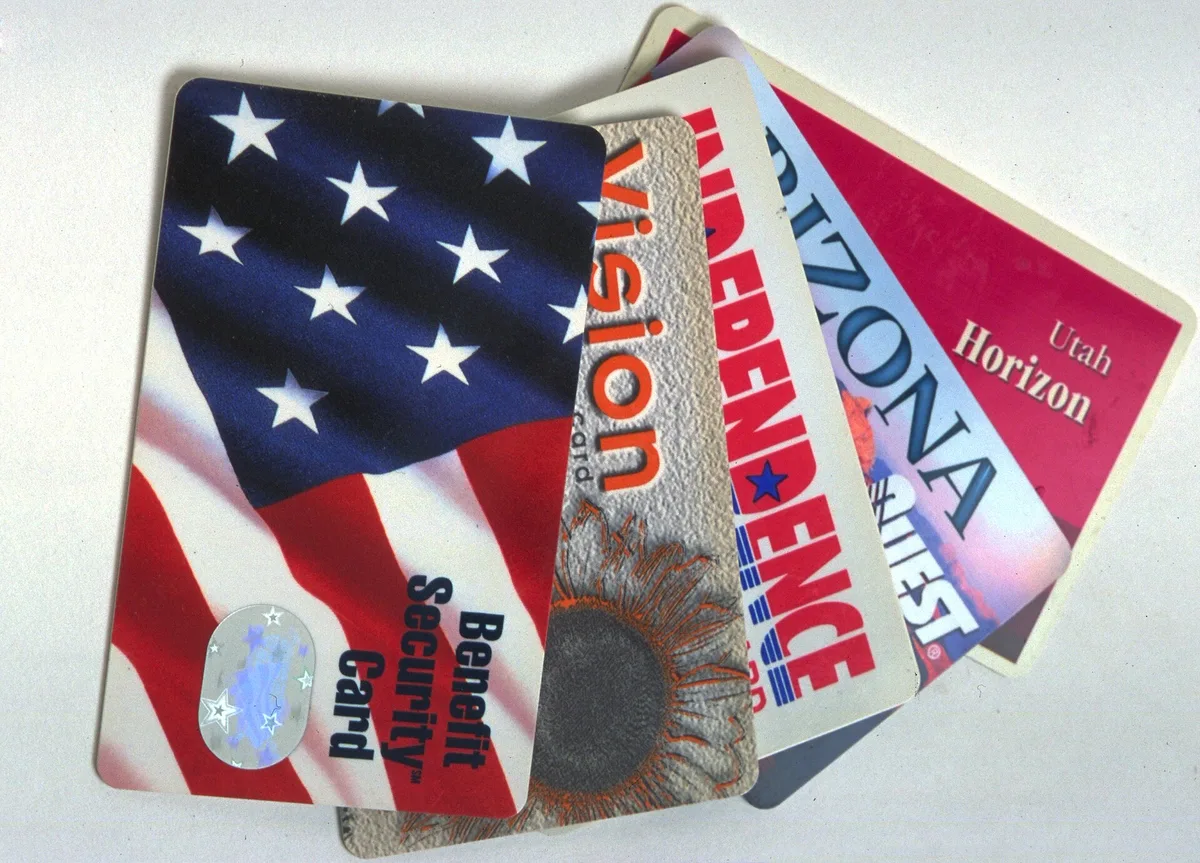
How public agencies buy benefits software, and why legacy systems, frozen requirements, and slow procurement push modernization projects over budget.

IsMyBillWrong is built for the moment a medical bill looks wrong.

The funding behind affordable housing: the Capital and Operating Funds for public housing, and the tax credit program that drives most new affordable units.
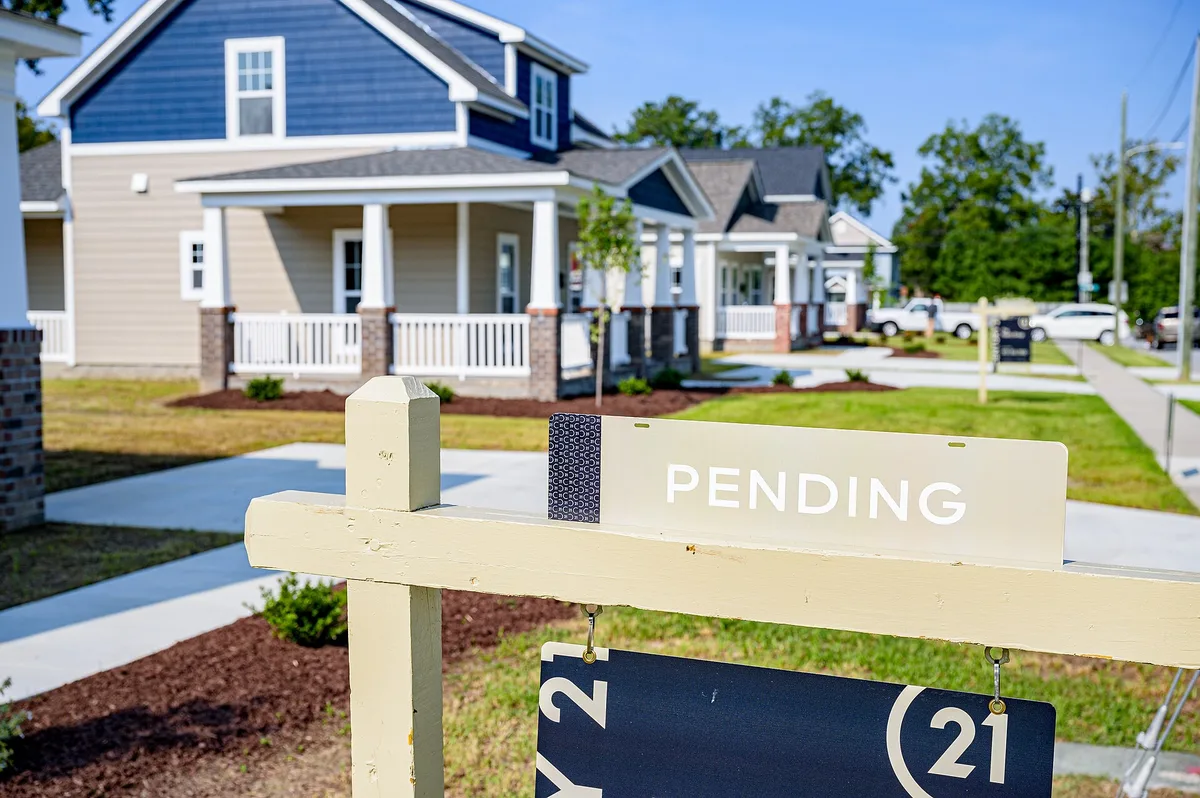
A plain-language guide to affordable and subsidized housing: program types, how rent is set, and practical steps for first-time applicants.

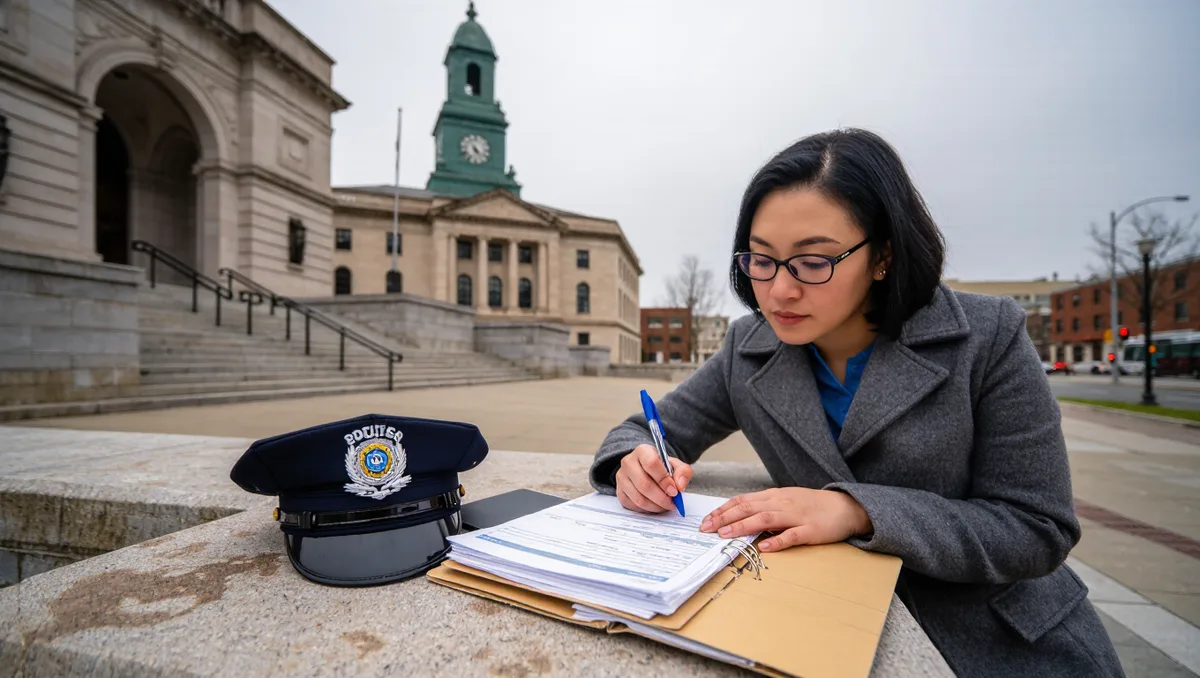
The credential is good for seven years and followed a self-study and site visit.

The phrase sounds grand. It describes something ordinary: the daily work of governing, and the paper trail it leaves behind.

The offices that handle marriage, child support, and family services, and how a decision made in a statehouse reaches a kitchen table.
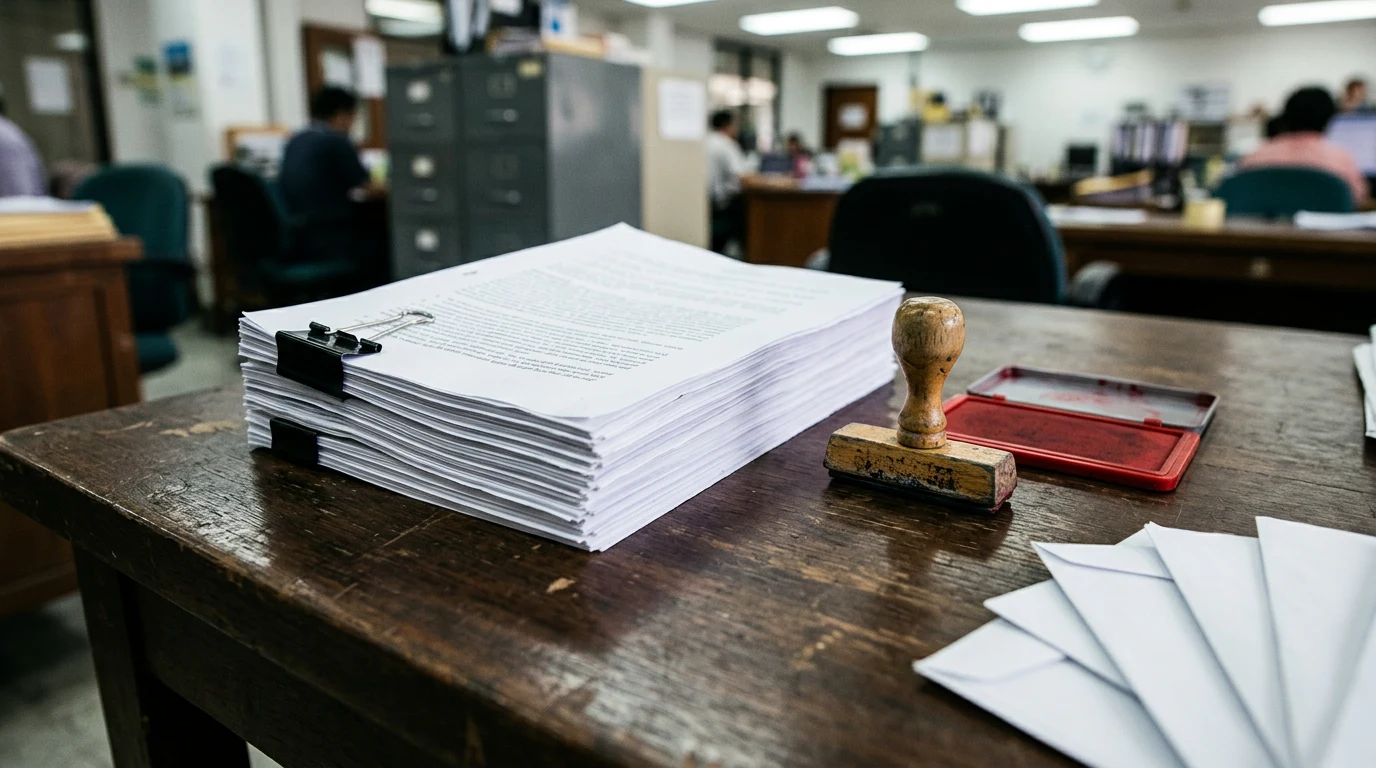
Most federal regulations must be proposed in public, opened to written comment from anyone, and justified in writing before they take effect. Here is the sequence, the deadlines, and what makes a comment worth reading.
Counties run elections, courts, jails, roads, and property assessment for about 3,000 local jurisdictions — the layer of government most Americans interact with without noticing it.
Federal disaster help starts with a governor's request: the Stafford Act lets the president issue two kinds of declarations, and which one lands determines what assistance survivors and governments can get.
Schools, water plants, and fire stations are built on borrowed money: municipal bonds fund local construction, and the repayment source — taxes or user fees — is written into the bond's name.
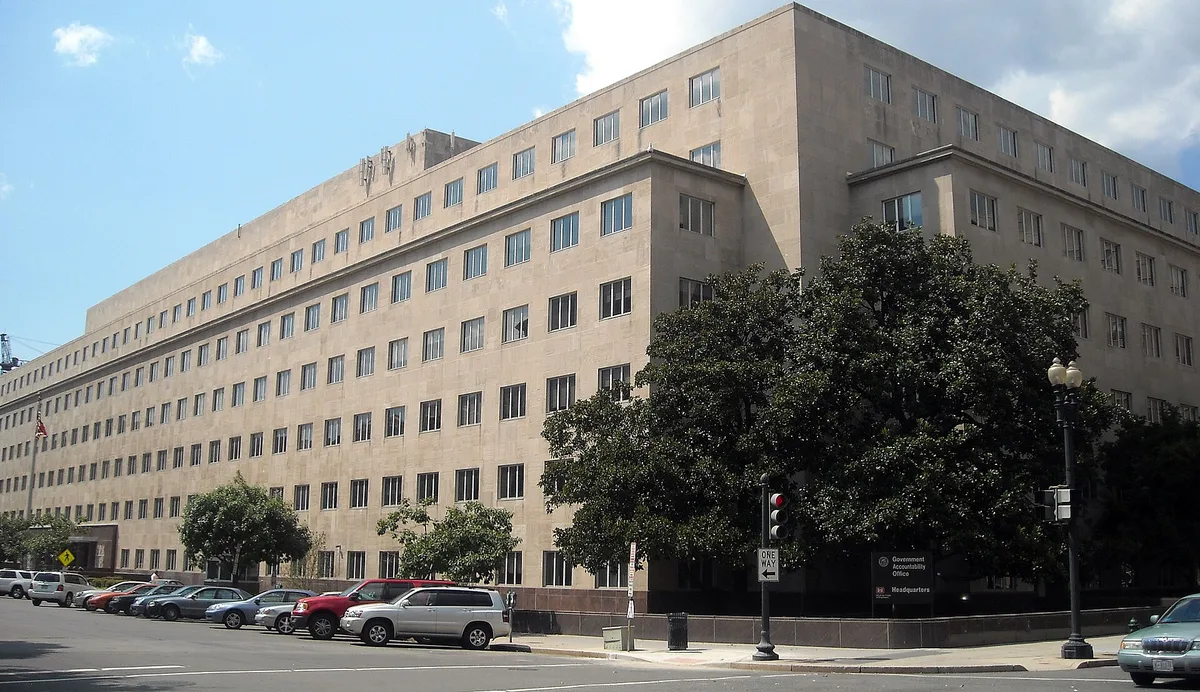
Who checks the work of federal agencies, how audits happen, and what turns a finding into actual change.
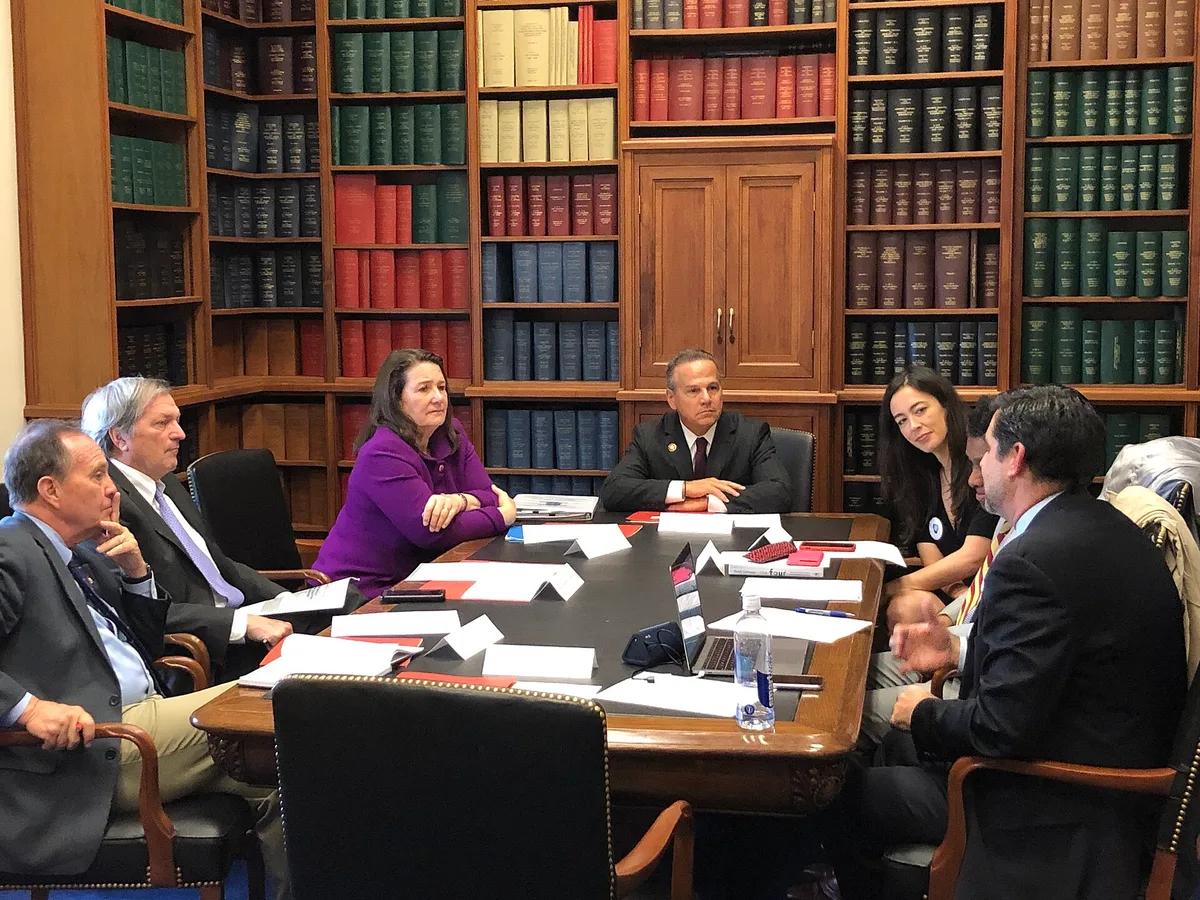
An oversight hearing lets a congressional committee question officials about how a program is run. Here is how the process moves from an invitation, to a possible summons, to the follow-up that comes after the gavel falls.
A widely used management model ranks how people respond when something goes wrong. It maps surprisingly well onto how government agencies answer for their failures.
The two words get used interchangeably in government and at work. They mean different things, and the gap between them is where oversight finds most of its problems.

A joint Georgetown–Michigan research center will use the three-year grant to help states cut payment errors without blocking eligible families.
A small set of sources and a few habits can replace the endless scroll.
The 2.8 percent cost-of-living adjustment announced in October 2025 raises the average retired-worker benefit by about $49 a month starting with January payments.
Social Security's annual raise is a formula, not a vote in Congress. Here is how the calculation works and what it means for the benefit increase that took effect in January 2026.
School crossings, data centers, community center boards and airport leadership are decided locally. The record of those decisions is local news.
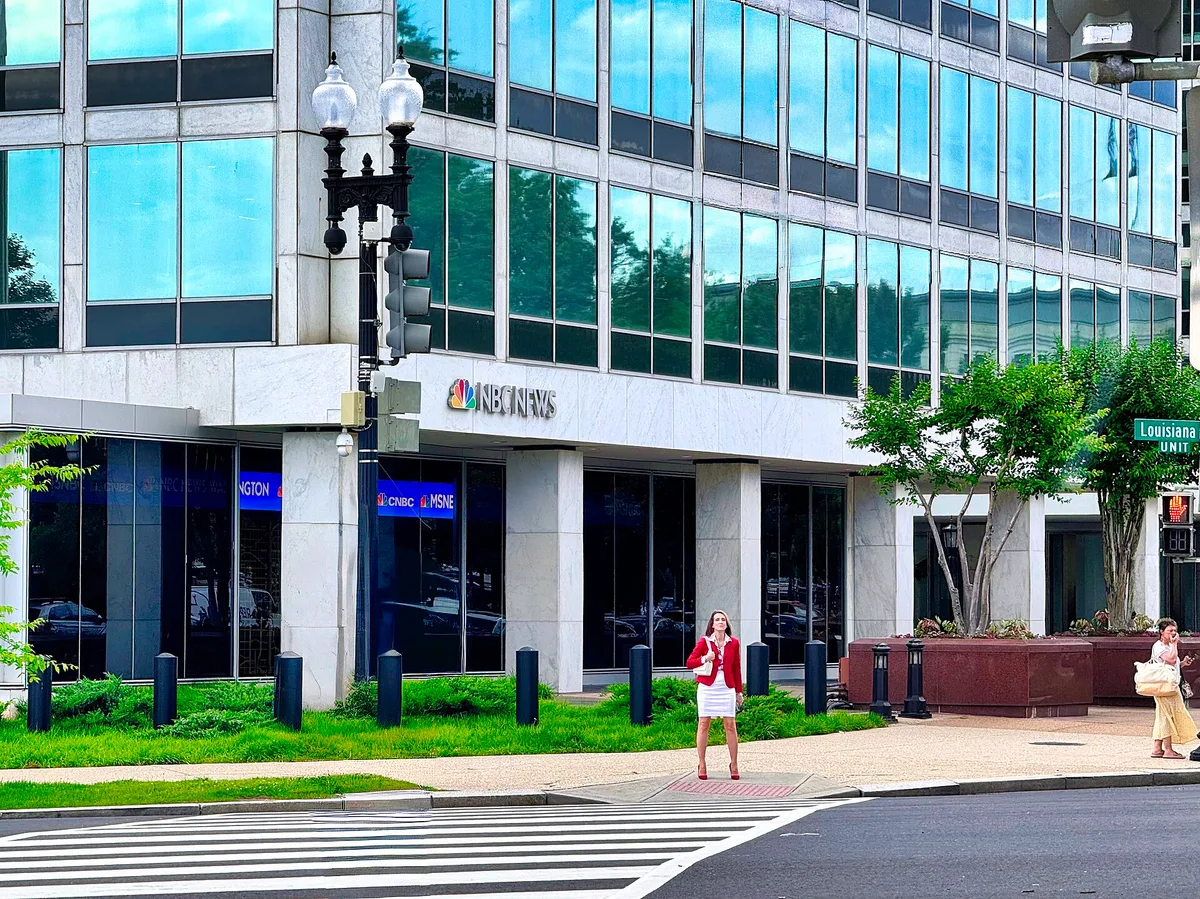
Press releases, briefings, dockets and court records all feed the stories on your screen. Here is how the chain works, and where it can bend.

Agencies track cost, timeliness, reliability and quality on vendor contracts — and weak numbers can trigger corrective action.

The federal government doesn't lend small businesses money directly — it guarantees part of the loan a bank makes. Here's how that guarantee works, and how a July 2026 rule change raised how much a business can borrow.