Responsibility is the duty to do a job. Accountability is the obligation to answer for how that job turned out, and to accept the consequences. The two usually travel together, but they are not the same duty, and government oversight runs on the difference between them.
The distinction matters because one can exist without the other. A federal employee can be responsible for processing a claim and still not be accountable for the result if nobody ever reviews the work. An agency head can be accountable to Congress for a program without being responsible for the day-to-day paperwork. When the two come apart, mistakes go unfixed and nobody pays a price.
According to Merriam-Webster, accountability is "an obligation or willingness to accept responsibility or to account for one's actions." The dictionary entry itself shows the blur: the definition leans on the word it is being compared to. In practice, the split is cleaner. Responsibility is assigned before the work. Accountability is claimed after it, in front of whoever has the right to ask questions.
What does responsibility actually mean?
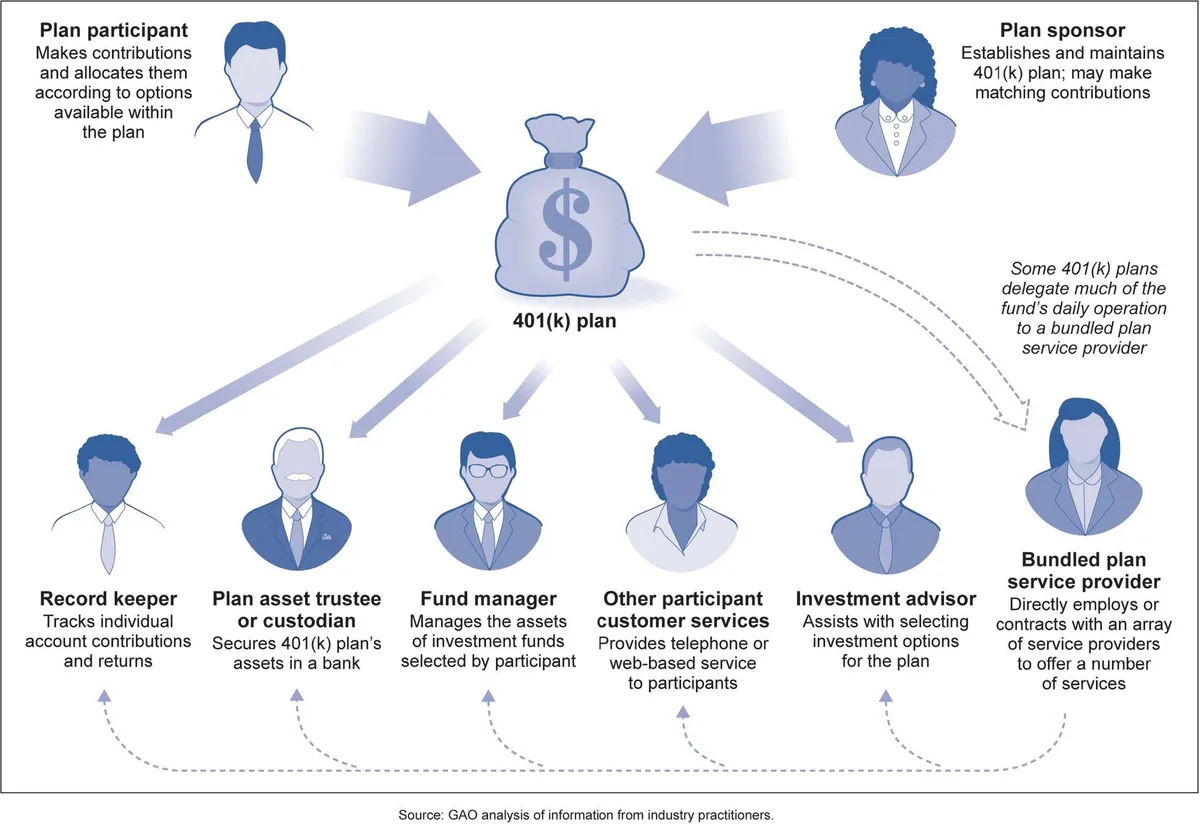
Responsibility is a task-level duty. You are responsible for something when you are the person expected to do it, and you can hand parts of it to others. Delegation is normal and healthy. A program manager responsible for a grant cycle can assign the file reviews to staff.
Responsibility can also be shared. Several people can each be responsible for pieces of the same process. That is fine for getting work done, but it creates a familiar problem: when everyone is responsible, no single person feels the pull of the outcome. That is the gap accountability is meant to close.
What does accountability add on top?
Accountability adds three things responsibility does not have. First, a named person. Second, an answer owed to someone else — a boss, an auditor, a legislature, the public. Third, consequences that follow the answer, good or bad.
As summarized on Wikipedia's entry on accountability, the concept in governance is often described as an account-giving relationship: one party is obliged to inform another about past or future actions, justify them, and face sanction in the case of misconduct. That last clause is the part people skip. An answer with no consequence attached is just a briefing.
Accountability also cannot be delegated. Simplicable's overview of accountability makes the point with a corporate example: a chief executive can push authority down the org chart, but remains the one accountable when a department fails, because knowing what each unit is doing is part of the job. The same logic applies to a cabinet secretary answering for a program run by career staff.
How does this play out in federal oversight?
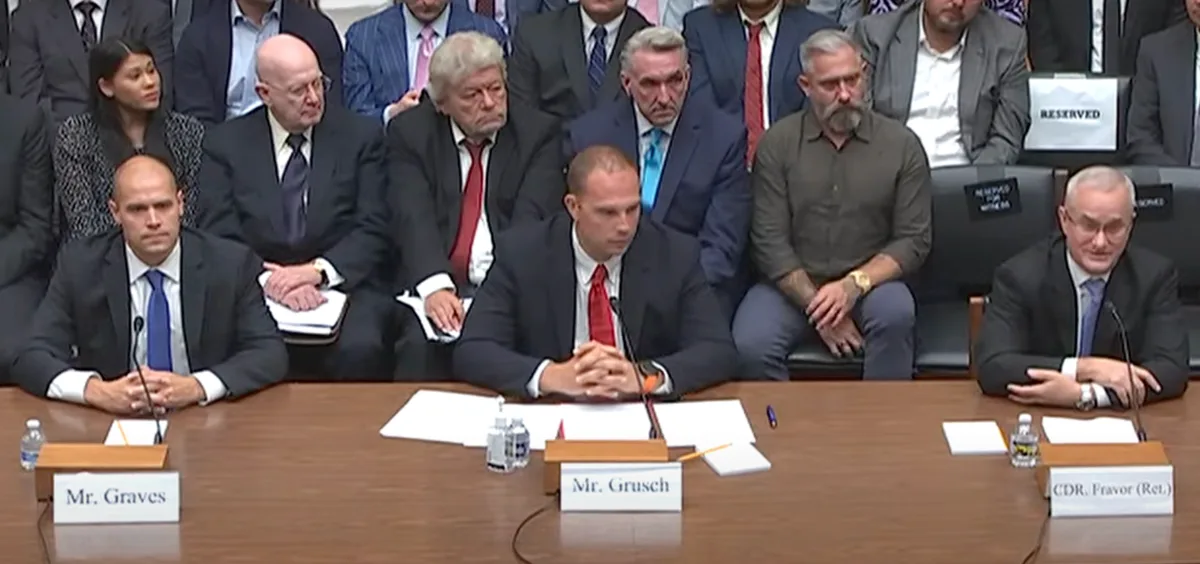
Government oversight is essentially a machine for converting responsibility into accountability. Auditors and inspectors general review work that someone was responsible for, then publish findings that make an official answer for the result. Our explainer on how federal inspectors general work walks through that route from finding to follow-up. We covered a connected angle in How federal inspectors general work, and what happens to their findings.
Improper payments show the pattern clearly. These are payments made in the wrong amount, to the wrong person, or for the wrong reason. Agencies are responsible for preventing them, and they report the totals themselves each year. The reporting is the accountability mechanism — it forces the answer, even when the answer is uncomfortable. Our coverage of what agencies reported in improper payments for fiscal 2024 looks at how that public accounting works and where it strains. For related coverage, see Agencies reported $162 billion in improper payments for fiscal 2024.
The Pentagon offers the sharpest illustration of accountability without full information. The department's financial statements have never passed a full independent audit, which means the basic records that accountability depends on are incomplete. As Simplicable puts it, accountability cannot function without proper accounting practices — an absence of accounting is an absence of accountability. You cannot answer for numbers you cannot produce.
What this means for your workplace
The same two-word split shows up in any organization, and the failure modes look alike.
- Responsibility without accountability. Staff own tasks, but nobody reviews outcomes. Errors repeat because no one is asked why they happened.
- Accountability without responsibility. A manager is blamed for results they had no real authority to shape. That is not accountability; it is scapegoating, and it teaches people to avoid both words.
- Diffused responsibility. A task belongs to a committee or a process, not a person. When it fails, everyone points at the structure.
Our analysis is that the fix is usually structural, not motivational. Name the accountable person. Define what they answer for and to whom. Then make the answer routine — a report, a review, a hearing — so accountability is a scheduled event rather than a crisis response. Simplicable notes a paradox worth knowing: because avoiding accountability is so common, the person who plainly owns a failure often earns more trust than one who never fails out loud.
Why the wording matters in public documents
Watch for the two words in official language, because they signal different commitments. A rule that assigns responsibility tells you who does the work. A provision creating accountability — a reporting requirement, an audit clause, a penalty — tells you who answers when the work goes wrong. A program can be full of responsible staff and still have an accountability hole if no provision requires anyone to explain results to an outside party.
The same caution applies to reading the news. When an official says they "take responsibility," ask the follow-up question that oversight bodies ask: accountable to whom, for what, and with what consequence? A statement without those three parts is a feeling, not a mechanism.
The takeaway
Responsibility is the duty to act. Accountability is the duty to answer for the result, and it sticks to a named person even after the work is delegated. Government oversight exists to enforce that second duty — through audits, reporting requirements, and hearings — because left alone, organizations naturally generate plenty of responsibility and not much answerability. The evidence here is definitional rather than statistical: the concepts diverge, and the divergence is where both governments and workplaces lose track of who owes the explanation. When you cannot tell who is accountable for a program, that is not a wording problem. It is the finding.