
Affairs of state: what the phrase means and how government business becomes public record
The phrase sounds grand. It describes something ordinary: the daily work of governing, and the paper trail it leaves behind.
Affairs covers the machinery of government itself: agency reorganizations, appointments, intergovernmental funding formulas, jurisdictional disputes and the administrative decisions reshaping who delivers what. Reporting stays with documents and on-record statements. Written for civil servants, local officials, researchers and readers following how public institutions are structured.
Agency machinery and intergovernmental relations covered directly: reorganizations, funding formulas, appointments and jurisdictional disputes.
The phrase sounds grand. It describes something ordinary: the daily work of governing, and the paper trail it leaves behind.

The offices that handle marriage, child support, and family services, and how a decision made in a statehouse reaches a kitchen table.
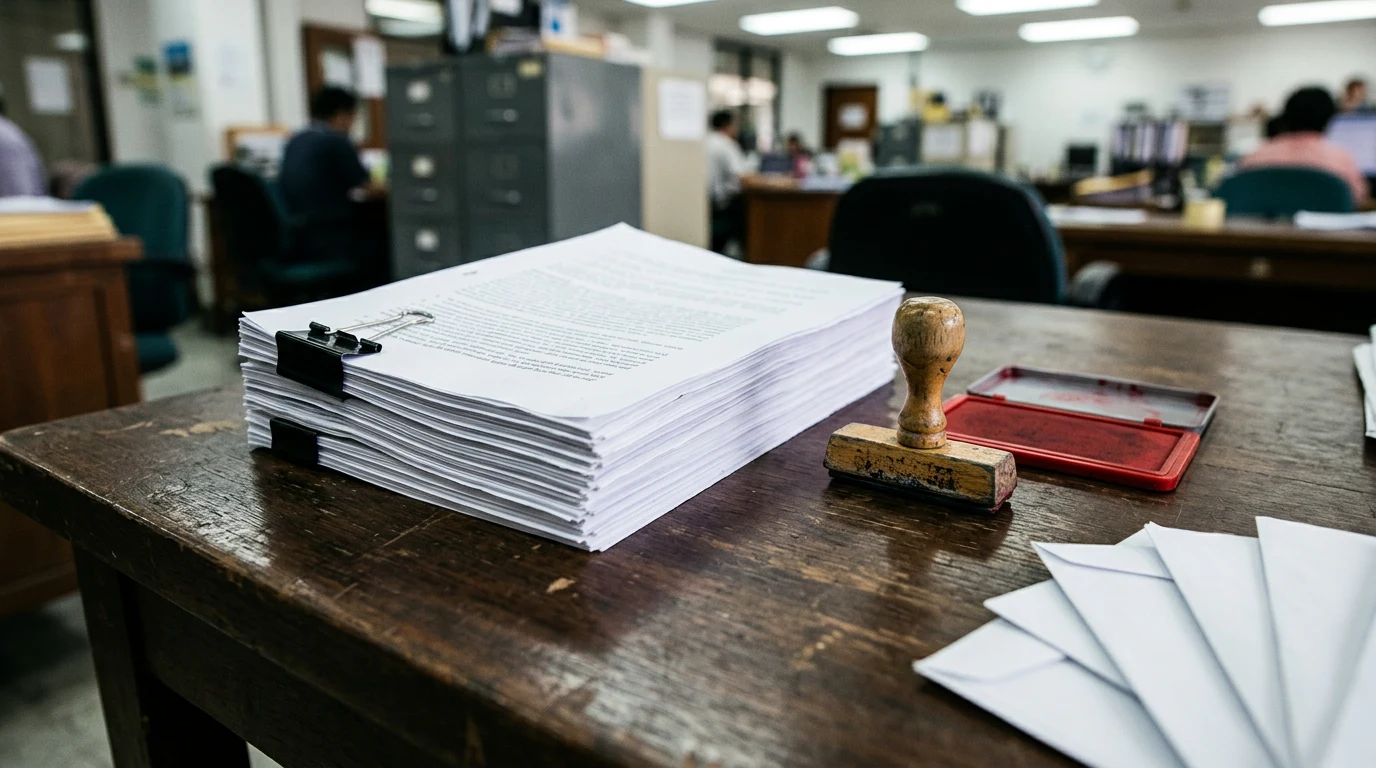
Most federal regulations must be proposed in public, opened to written comment from anyone, and justified in writing before they take effect. Here is the sequence, the deadlines, and what makes a comment worth reading.
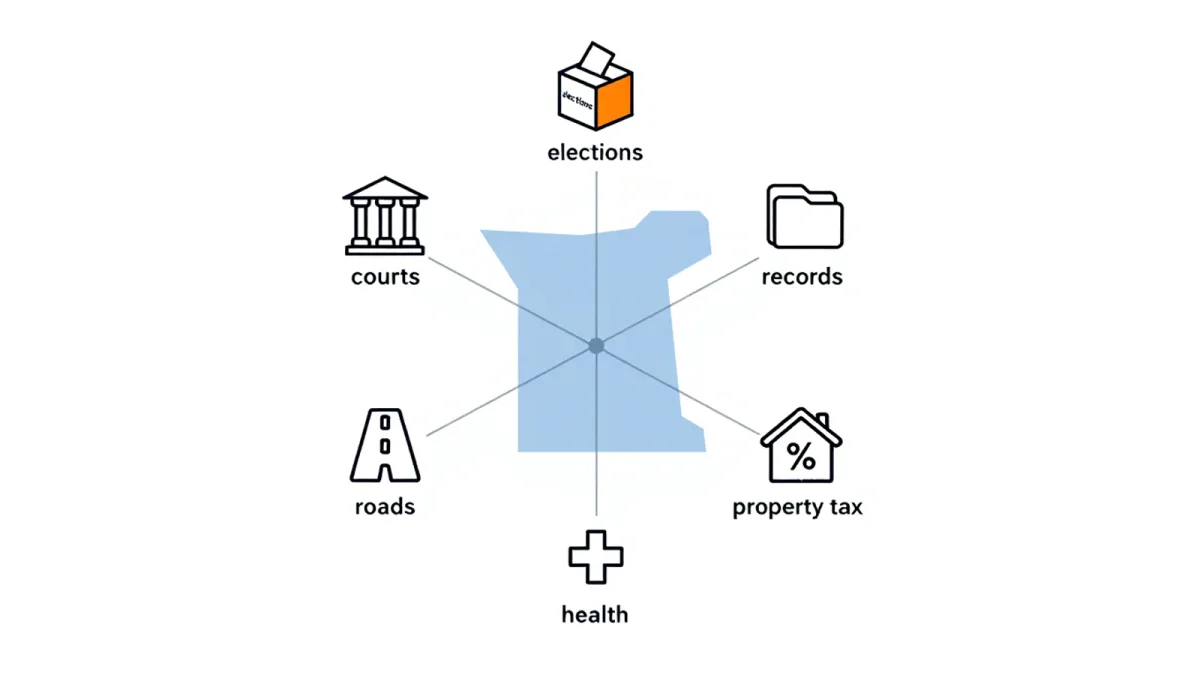
Counties run elections, courts, jails, roads, and property assessment for about 3,000 local jurisdictions — the layer of government most Americans interact with without noticing it.

Federal disaster help starts with a governor's request: the Stafford Act lets the president issue two kinds of declarations, and which one lands determines what assistance survivors and governments can get.
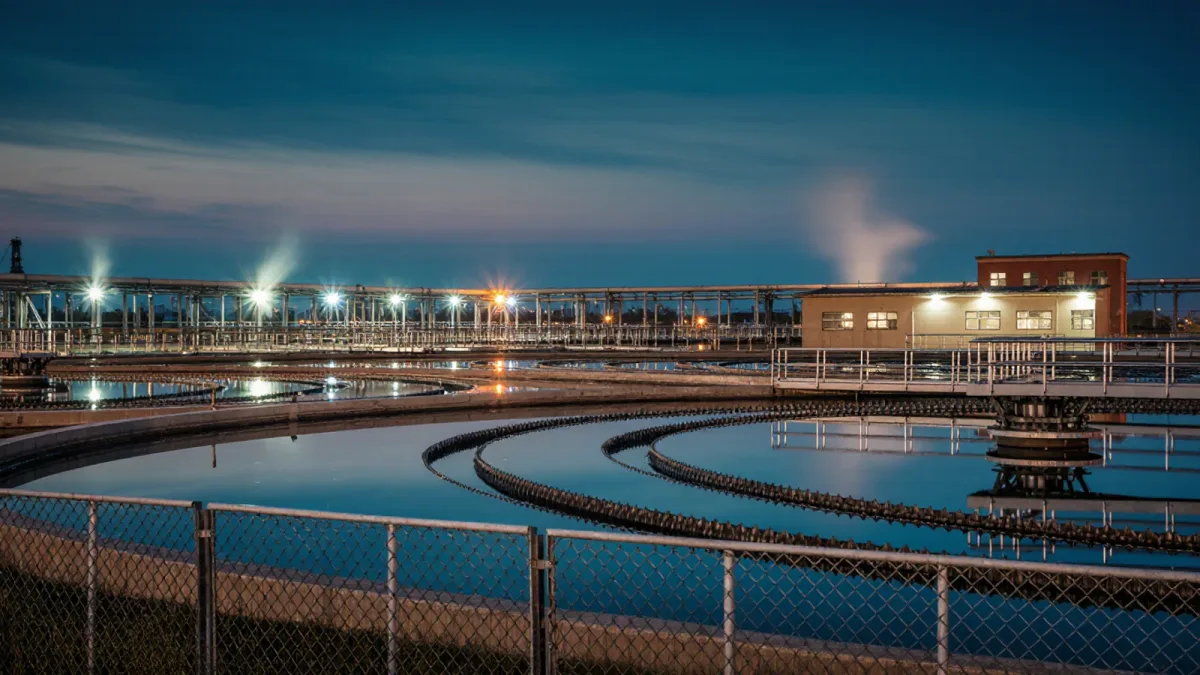
Schools, water plants, and fire stations are built on borrowed money: municipal bonds fund local construction, and the repayment source — taxes or user fees — is written into the bond's name.