Congress does more than write laws. It also checks how they are carried out. Its main tool is the hearing. Committees call officials and experts to answer questions in public. The process can look rough on television. Still, it follows firm rules at every step.
This guide walks through an oversight hearing from start to end. It covers why committees hold them, how witnesses are called, when a summons is used, and what happens after the gavel falls. We covered a connected angle in The pandemic relief ledger, as the oversight bodies close their books.
Why Committees Hold Oversight Hearings
A hearing is the main formal method a committee uses to gather facts, according to Wikipedia's guide to congressional hearings. Oversight hearings review a law, an issue, or an agency. They ask how well federal programs work and how officials do their jobs.
The goals are plain. Oversight seeks to make government work better and cost less. It also aims to expose waste, abuse, and illegal acts, according to Wikipedia's article on congressional oversight. Congress treats this duty as basic. It cannot fund or fix laws it does not understand. Hearings also inform the public. They put facts on the record where anyone can read them.
The Main Types of Hearings
Not every hearing is an oversight hearing. Committees hold legislative hearings on bills that may become law. Confirmation hearings let the Senate weigh major nominees. Investigative hearings look into suspected wrongdoing. Many hearings blend these types. A committee may review a program while it weighs a related bill. Some panels even take the process on the road and hear testimony outside Washington.
Investigation has deep roots. The House held its first such hearings in 1792, after a military defeat on the Wabash River, according to Wikipedia's guide.
From Invitation to Summons
Most witnesses come by invitation, and most accept. Testimony gives a person a chance to speak to a wide audience. When someone refuses, the committee has power of its own. Under Senate rules, it can issue a subpoena that forces a person to testify.
Papers can be summoned too. A committee may subpoena letters, books, records, and other documents. Such orders are rare. They appear most often in investigative hearings. A witness who ignores a subpoena, or lies under oath, can face criminal charges for contempt of Congress.
What Happens in the Room
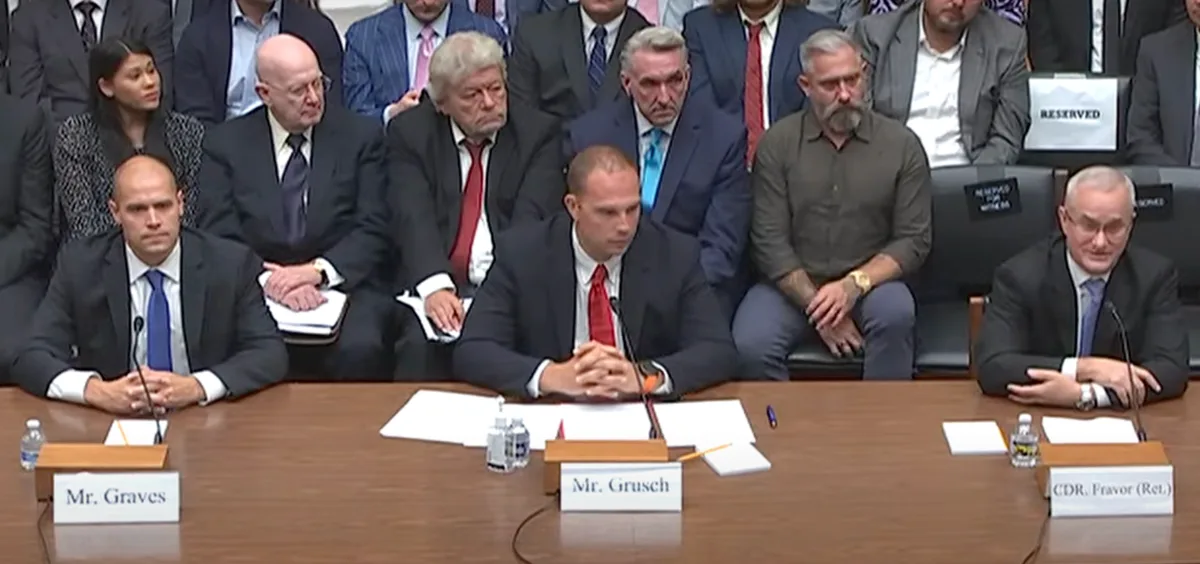
The format is simple. Witnesses speak, and members ask questions in turn. The two parties usually alternate. Members often open with short statements, then move to questions. Most committee hearings are open to the public, as Senate rules require.
Closure is rare and narrow. A committee may close a session over national security, private matters, or law enforcement secrets, according to Wikipedia's guide. A vote is required first. Even then, a series of sessions on one subject can stay closed for no more than 14 calendar days, per the same guide. For related coverage, see The federal government's trouble spots, all in one list.
After the Gavel: The Follow-Up
The hearing is a step, not the end. Witnesses often get follow-up letters. The letters ask for answers left open or for records still missing. Agencies send written replies, and committee staff go through them. If new problems surface, the committee can hold another hearing or draft a bill. The letters also build a paper trail. The record shows who answered and who stalled.
Review never really stops. Committees often reexamine a program when it comes up for renewal. The power of the purse gives Congress a way to force change when an agency stalls.
Conclusion
An oversight hearing follows a set path. A committee picks a topic, invites witnesses, and questions them in public. A summons appears only when a witness refuses to come. Closed sessions are rare and tightly limited. The real work often comes later, in follow-up letters, staff reviews, and new laws. For readers, the record is public. It is one of the best views of how the executive branch actually works.