
Topic
India has 56 public policy schools. The question now is what they teach
The boom in India's public policy education solved the scale problem. The harder problem is judgment, and classrooms built on borrowed examples cannot teach it.
The boom in India's public policy education solved the scale problem. The harder problem is judgment, and classrooms built on borrowed examples cannot teach it.

Peter R. Pastre led the office that helped pass the Postal Service Reform Act. His departure leaves an open question about who carries postal policy work forward.

SNAP issuance runs through state agencies, so the answer depends on where you live and which agency loads your card.
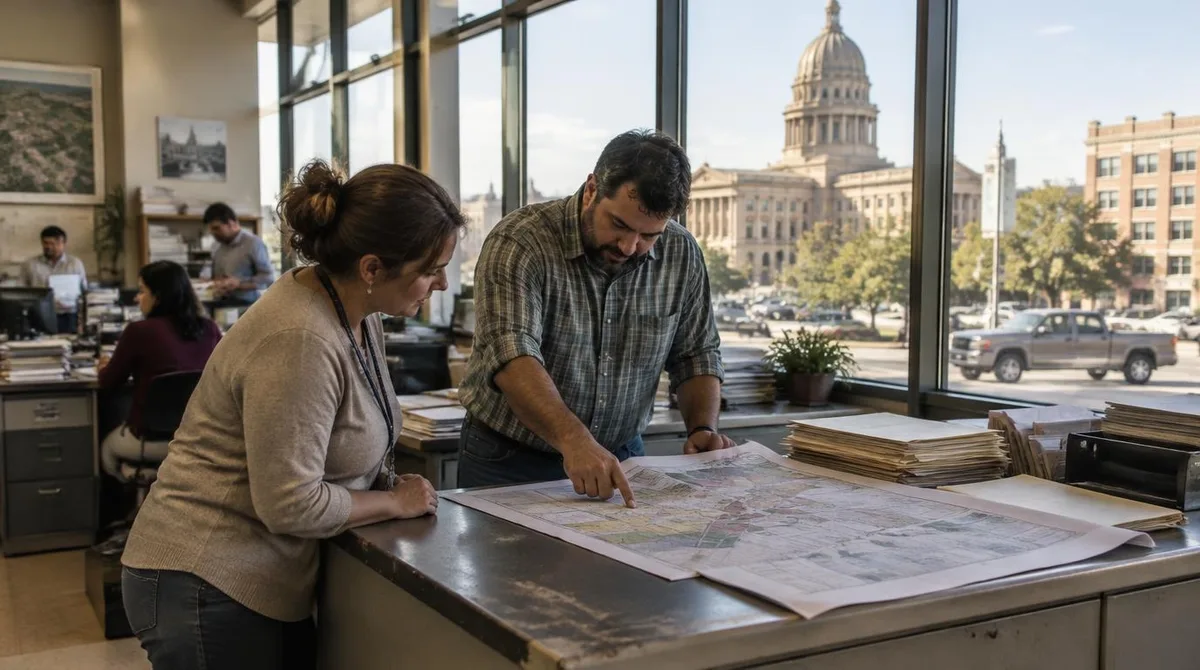
The line between state and city power is real, but it is messier than most people assume. Here is how the work actually divides.

Old systems survive because replacing them is harder, slower, and riskier than it looks. Here is how legacy technology actually works in government, and what catching up really costs.
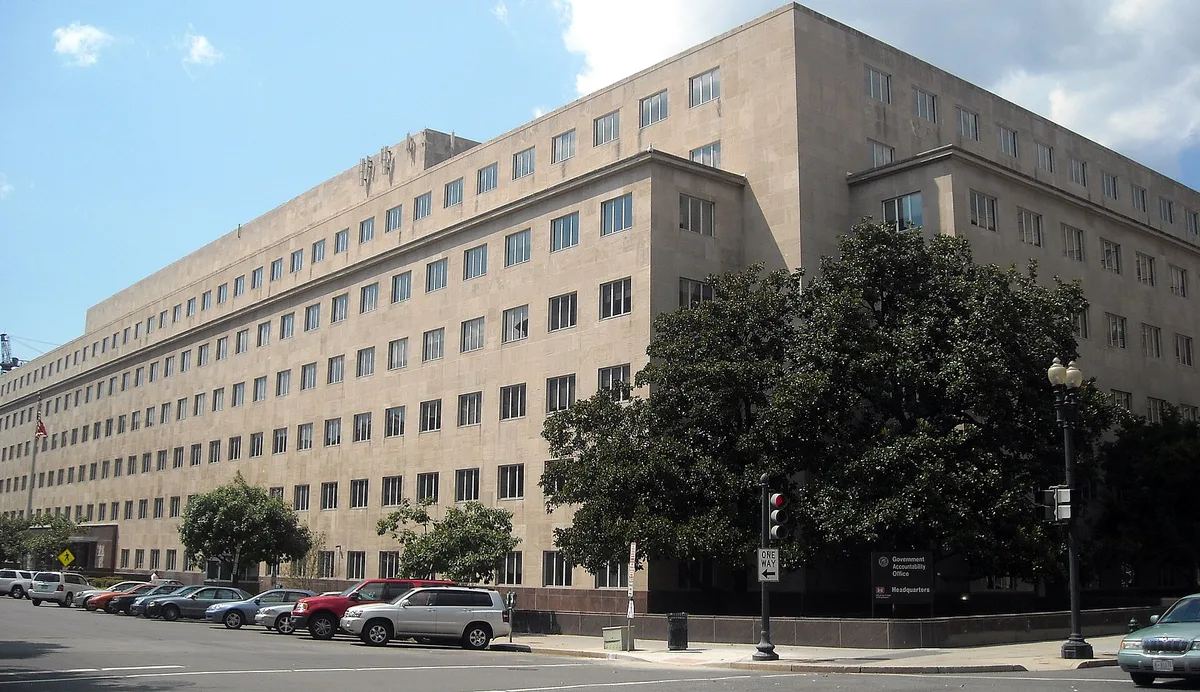
Who checks the work of federal agencies, how audits happen, and what turns a finding into actual change.
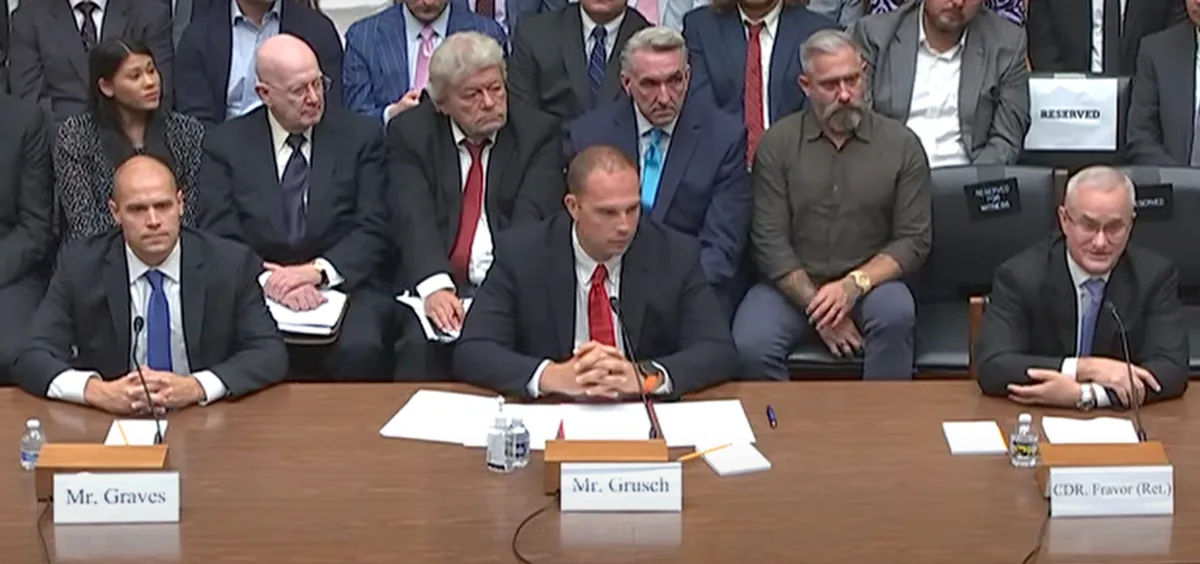
An oversight hearing lets a congressional committee question officials about how a program is run. Here is how the process moves from an invitation, to a possible summons, to the follow-up that comes after the gavel falls.

A joint Georgetown–Michigan research center will use the three-year grant to help states cut payment errors without blocking eligible families.

A widely used management model ranks how people respond when something goes wrong. It maps surprisingly well onto how government agencies answer for their failures.

The credential is good for seven years and followed a self-study and site visit.