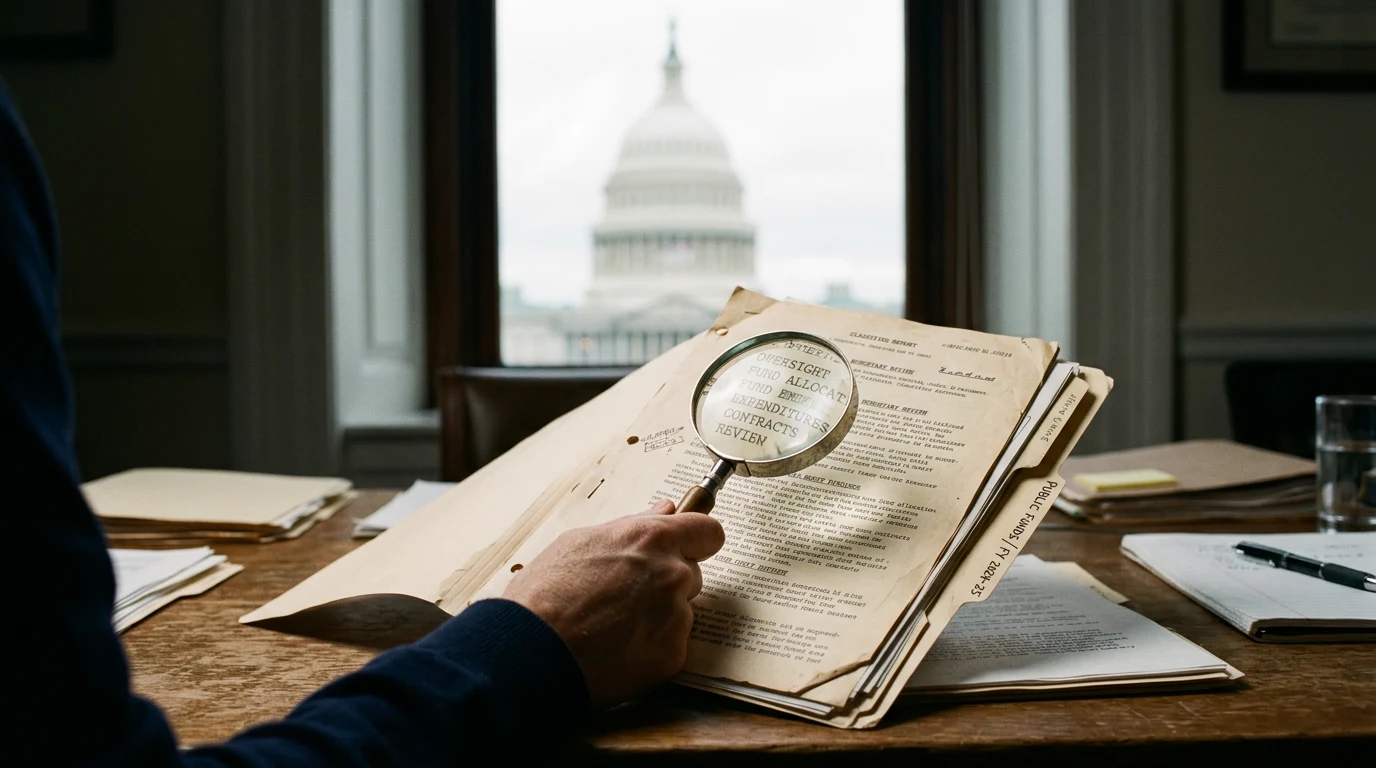
Five years on, the inspector general work that examined the government's roughly $5 trillion pandemic response has produced its most durable numbers. The Small Business Administration's Office of Inspector General, in its June 2023 fraud assessment (Report 23-09), estimated that SBA disbursed more than $200 billion in potentially fraudulent COVID-19 Economic Injury Disaster Loans, EIDL advances, and Paycheck Protection Program loans — out of about $1.2 trillion in loans and grants to 22.1 million recipients, roughly 17 percent potentially fraudulent. The Pandemic Response Accountability Committee, the coalition of inspectors general that coordinated this work, reported more than $57.1 billion in aggregate monetary findings across its member agencies' investigations.
What did the oversight bodies find?
The SBA OIG's estimate was built from the agency's own loan data: loans with impossible or mismatched business characteristics, applications tied to identities that failed verification, and funds that moved quickly to unrelated accounts. PPP's $64 billion estimated fraud loss came on top of the EIDL figures. Coordination bodies flagged the same recurring gaps: relief programs traded verification for speed, data sharing between agencies came late, and lenders' reliance on self-certification left little documentation to review.
Enforcement has continued but covers a fraction of losses. The Labor Department's inspector general alone has reported more than 2,300 individuals charged and over 1,800 convictions in pandemic unemployment insurance cases, and prosecutors have warned that statutes of limitations began expiring in 2025 for many pandemic-era offenses.
What happens next?
The oversight shift now runs through three channels: continued criminal prosecutions before limitations deadlines, debt collection referrals to the Treasury, and GAO's forward-looking work on fraud controls — including its 2025 report (GAO-25-107267) on the SBA's process for referring suspected fraud to its inspector general. Congress has used these findings in drafting the anti-fraud provisions now being written into new emergency programs.
What it means for you
If you received a pandemic loan or benefit you were entitled to, nothing in these reports changes that; the fraud estimates concern programs in aggregate, not legitimate recipients. But the findings explain the verification you now encounter in any future emergency aid — identity checks, cross-agency data matching, and post-payment audits are direct products of what oversight found. If your identity was misused in a pandemic program, the same reports drove the procedures for disputing fraudulent debts and clearing IRS or SBA collections filed in your name.
Oversight bodies also issued repeated risk advisories as the programs ran. The PRAC and the SBA inspector general warned the agency, while disbursal was still under way, about identity fraud indicators it could detect with its own verification tools — advisories that became part of the record on why faster action was possible. Those advisories, along with GAO's 2025 report on fraud referral controls, are the documents Congress has cited in designing verification requirements for future emergency programs.