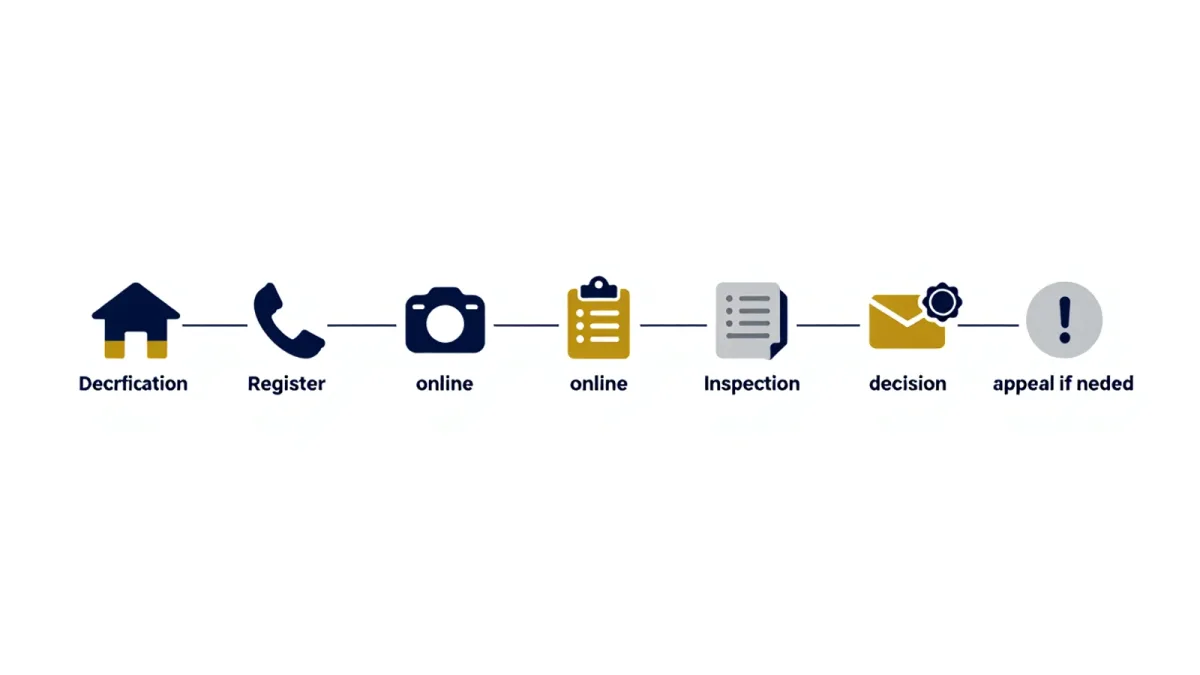
How FEMA individual disaster assistance works
After a presidentially declared disaster, FEMA's Individual Assistance program pays for temporary housing, home repairs, and other serious needs that insurance does not cover.
Programs covers the delivery of public services: eligibility criteria, enrollment figures, processing times, denial and error rates, appeals and the staffing behind each. Reporting uses agency data and audit findings, with denominators included. Intended for program staff, advocates, local officials and applicants trying to understand a decision.
Public program delivery measured where it happens: enrollment numbers, processing times, denial and error rates, appeal outcomes and caseworker capacity.
After a presidentially declared disaster, FEMA's Individual Assistance program pays for temporary housing, home repairs, and other serious needs that insurance does not cover.

The maximum Pell Grant is $7,395 for the 2026-27 award year, but the check you actually get depends on your Student Aid Index, your school's cost of attendance, and how many terms you enroll.
Section 8 waitlists are local, often long, and usually open only briefly — understanding how housing agencies rank and pull applicants is the key to getting on one at the right time.

Head Start offers free preschool and family services to low-income families, with eligibility tied to federal poverty lines but with several doors open for families above them.
The Low Income Home Energy Assistance Program helps low-income households pay heating and cooling bills, and it is run by each state with its own rules, deadlines, and benefit amounts.

The Special Supplemental Nutrition Program for Women, Infants, and Children pays for specific healthy foods, plus screening and counseling, for low-income pregnant and new parents and young children.