
How SNAP food benefits work, and who qualifies as of 2026
SNAP gives eligible households a monthly food benefit on an EBT card; most households must meet income limits set as a percentage of the federal poverty line.
Programs covers the delivery of public services: eligibility criteria, enrollment figures, processing times, denial and error rates, appeals and the staffing behind each. Reporting uses agency data and audit findings, with denominators included. Intended for program staff, advocates, local officials and applicants trying to understand a decision.
Public program delivery measured where it happens: enrollment numbers, processing times, denial and error rates, appeal outcomes and caseworker capacity.
SNAP gives eligible households a monthly food benefit on an EBT card; most households must meet income limits set as a percentage of the federal poverty line.
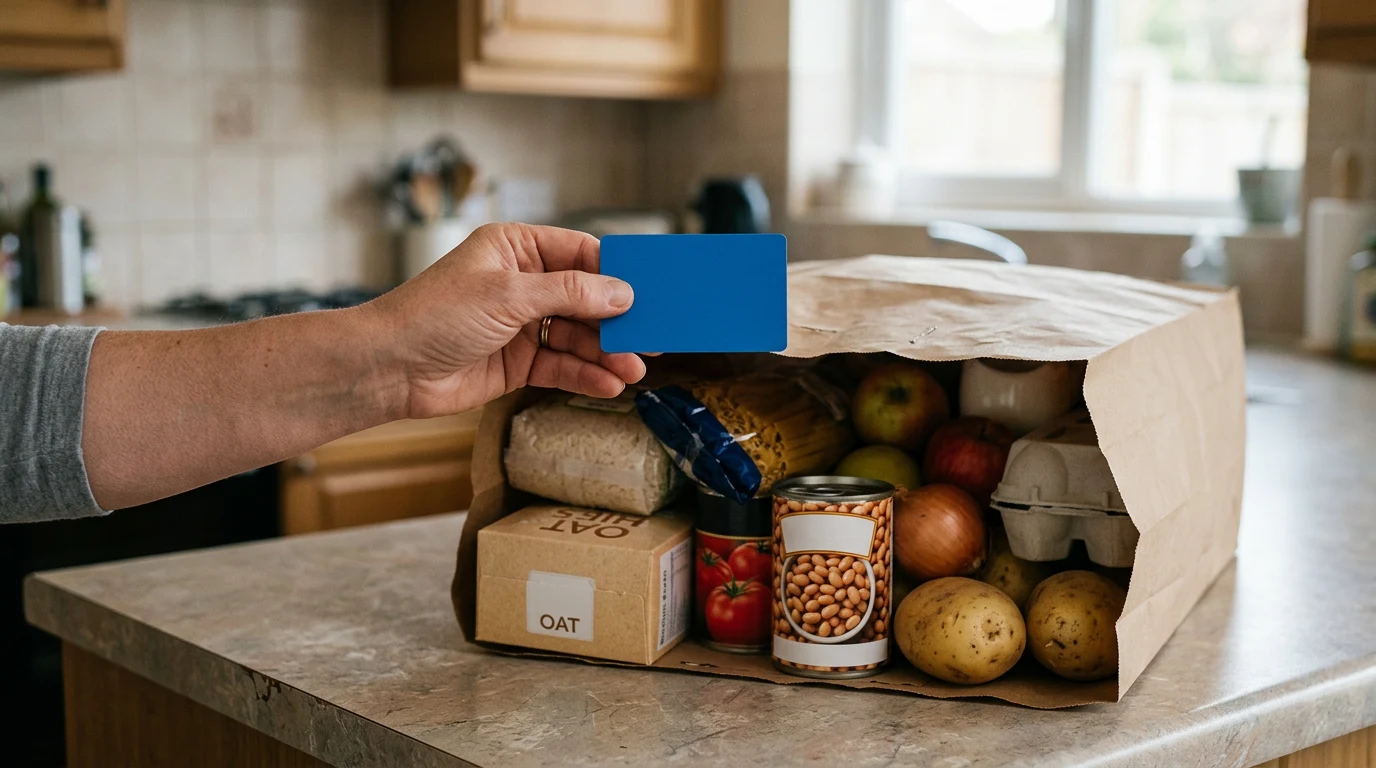
SNAP eligibility runs on income and asset tests set by Washington but applied through your state; here's what the current federal rules say, what changed in 2026, and how the application actually works.
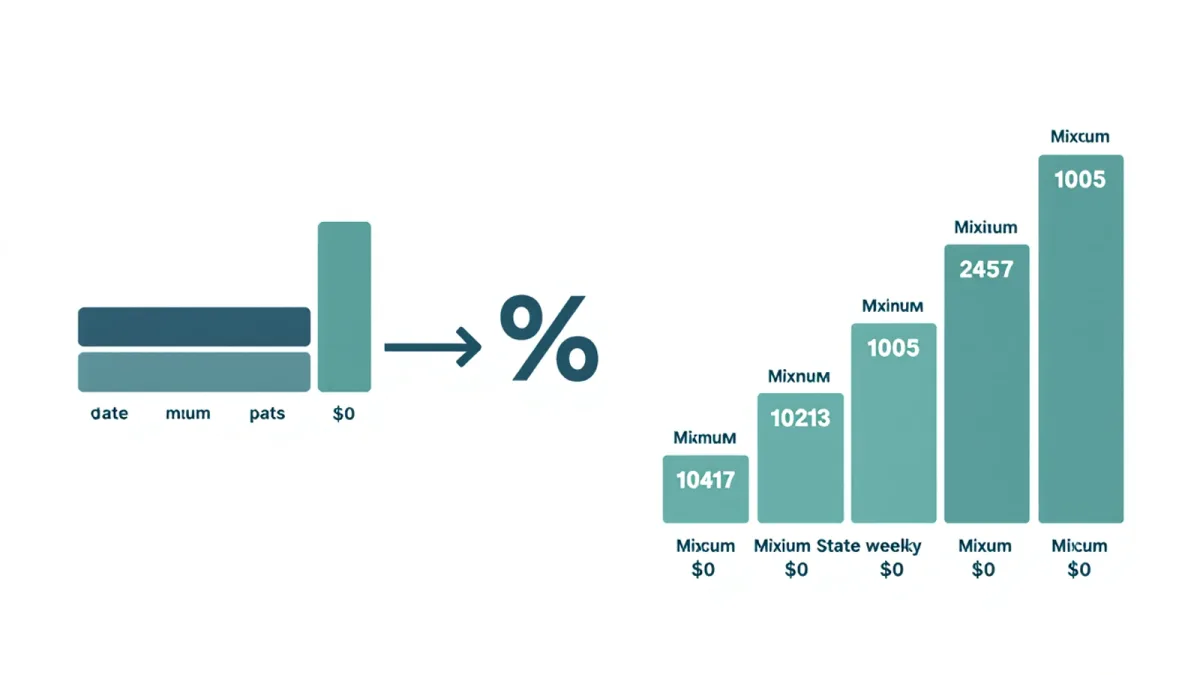
Every state sets its own unemployment formula, benefit amounts, and duration — most replace about half of your wages up to a state-set weekly cap, but the caps range widely.

The Weatherization Assistance Program pays contractors to insulate and repair low-income homes for free, cutting energy bills with work worth thousands of dollars per household.
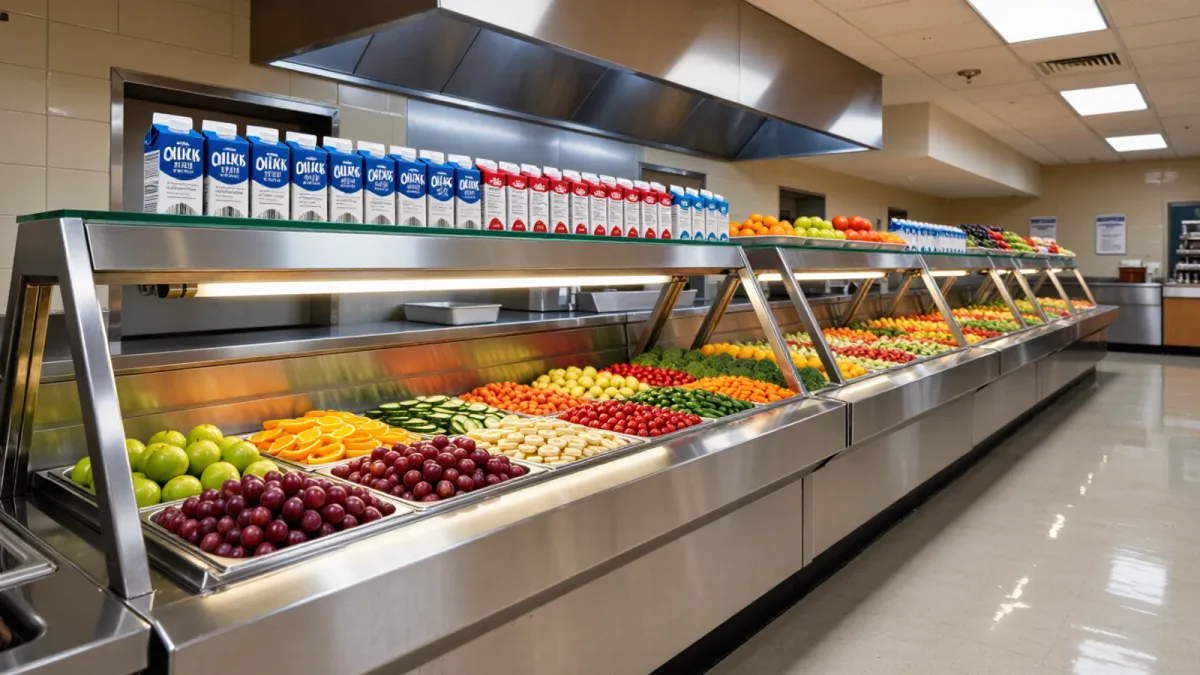
The Community Eligibility Provision lets high-poverty schools serve breakfast and lunch to every student at no charge, with no household applications and no meal debt.

SSI is a needs-based benefit for people with little income and few assets, while SSDI is an insurance benefit earned through work — and many people qualify for one, both, or neither without realizing it.