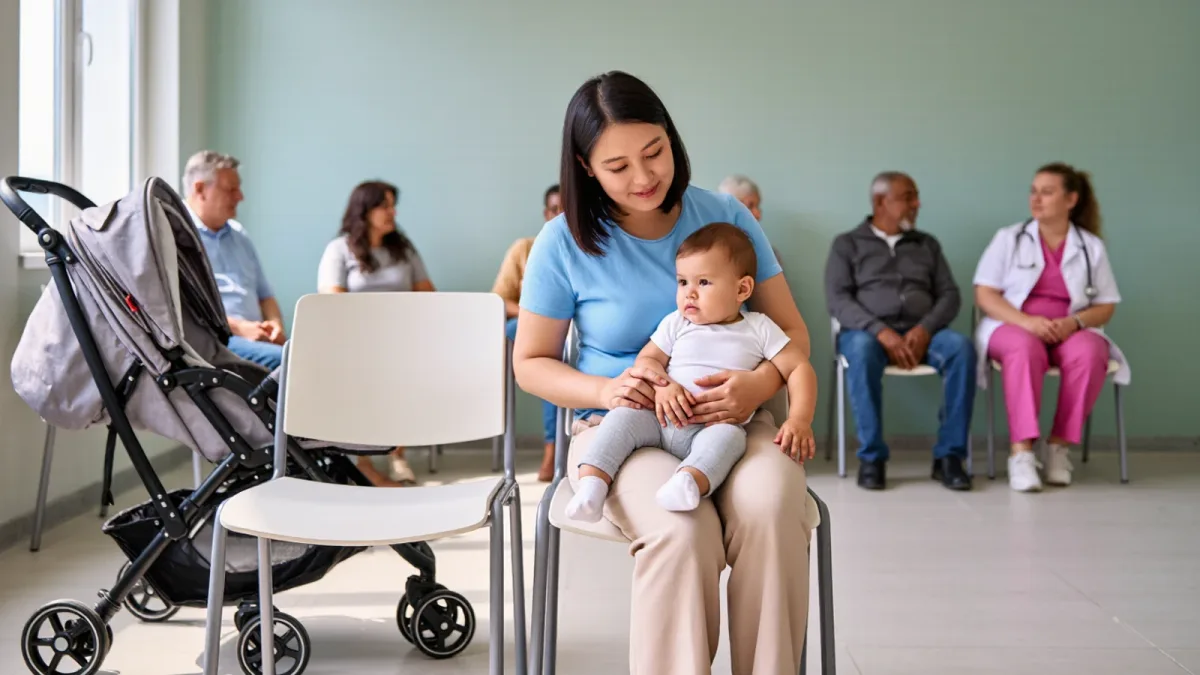
Head Start is a free federal preschool and child development program for children from low-income families, serving roughly three-quarters of a million children a year through local grantees, according to the Office of Head Start. Eligibility is set first at 100 percent of the federal poverty line, which was about $26,650 a year for a family of three under 2025 guidelines, though children in foster care, children experiencing homelessness, and children from families receiving SNAP or TANF are automatically eligible regardless of income. Programs may also enroll a limited share of children from families above the poverty line. Head Start covers ages 3 to 5, and Early Head Start covers infants, toddlers, and pregnant women.
What does Head Start actually provide?
Head Start is more than a classroom. Each local program combines several services built around the child and the family.
- Free early education, typically either part-day or full-day, five days a week during the school year, with some programs running year round
- Health services, including vision, hearing, and developmental screenings, plus help with immunizations and dental care
- Meals and snacks served during the program day
- Family services: staff work with parents on goals such as housing, employment, and continuing education
- Parent involvement, including policy councils where parents help govern the local program
Early Head Start extends the same model to pregnant women and children from birth to age 3, usually through home visits or infant-toddler centers. Children enrolled in Early Head Start often get priority for Head Start at age 3.
Who is automatically eligible?
Four groups qualify without any further income test: children whose families receive SNAP or Temporary Assistance for Needy Families, children in foster care, children experiencing homelessness under the McKinney-Vento definition, and children whose families receive Supplemental Security Income. For these families, the application focuses on enrollment logistics rather than income verification. Head Start also serves migrant and seasonal farmworker families and families on tribal lands through dedicated program branches with their own eligibility rules.
What if your income is above the poverty line?
There are two routes in. First, programs may enroll up to 10 percent of children from families with incomes between 100 and 130 percent of the poverty line, and up to 35 percent from families up to 185 percent of the line, the same threshold WIC uses. Second, programs may exceed even those shares if they document that local low-income children are not being turned away, which happens in some communities. In practice, a family earning modestly above the poverty line has a real but program-dependent chance, so the honest answer is to ask the specific program you are applying to.
How do you apply?
- Locate your nearest program. Use the Head Start Locator on the Office of Head Start website, or call the National Head Start Association at 1-866-763-6481 to be connected by phone.
- Contact the program directly. Each grantee runs its own application and waitlist. Ask about locations, schedules, and available seats for your child's age.
- Gather documents. Typically proof of income (pay stubs, tax return, or benefit letter), the child's birth certificate, immunization records, and proof of residence.
- Complete the application and eligibility interview. Staff will confirm your category or income and may ask about your child's health and development.
- Ask about the waitlist. Most programs maintain one. Eligible children are usually prioritized by factors like homelessness, disability, or child welfare involvement, not first-come first-served.
Does a disability affect eligibility?
Programs must reserve at least 10 percent of enrollment slots for children with disabilities, and children with an individualized education program or documented developmental concerns are a priority group on most waitlists. Disability services are included at no cost: screenings, therapies coordinated with your school district, and adjusted classrooms where needed. If you suspect a delay but have no diagnosis, applying anyway is reasonable, because the program's screening process itself can identify concerns and connect families to evaluation services.
How long can a child stay enrolled?
Children can remain in Head Start until they transition to kindergarten, usually at age 5, and families re-verify eligibility once per program year rather than per month. Mid-year enrollment is common: seats open as families move, so being on a waitlist is not a dead end. If your income rises during the year, the child generally keeps the slot for the rest of the program year.
What can families expect from the daily schedule?
Programs vary by community, but a typical Head Start day runs three and a half to six hours during the school year, opening with breakfast or a morning meal, followed by classroom learning blocks, outdoor play, a second meal, and health routines such as toothbrushing. Transportation is often provided, though not guaranteed, and full-day slots — increasingly common through partnerships with child care funding — are usually assigned to families working or in school. Ask about the calendar too: some programs follow the public school year and others run twelve months, which matters for parents arranging work schedules.
Does Head Start prepare children for kindergarten?
The program's model is built around school readiness goals in literacy, math, social skills, and physical health, and each child receives an individualized plan with periodic assessments shared with parents. Federal reviews of Head Start find the strongest lasting effects for children who enter earliest and for dual-language learners, while noting that benefits are larger in programs meeting quality standards. Whatever the measure, the program's bundled health and family services mean children arrive at kindergarten with screenings done, immunizations current, and problems identified early.
Where to start
The Head Start Locator at the Office of Head Start website is the official directory of every local grantee. SocialGov publishes information, not benefits advice, and cannot enroll children; the grantee that serves your address is the one that confirms eligibility and offers seats.