LIHEAP is a federally funded program that helps low-income households pay home energy bills, and it reaches about 6 million households a year, according to the Department of Health and Human Services, which distributes block grants to every state, the District of Columbia, tribes, and territories. Most states limit eligibility to households at or below 150 percent of the federal poverty line, or 60 percent of state median income, whichever is higher. Benefit amounts vary by state and by household, but a typical heating grant runs in the hundreds of dollars per season rather than covering the full bill. Applications go through your state or local energy assistance office, not the federal government.
What can LIHEAP pay for?
The program covers more than winter heating. Federal rules give states latitude to design several kinds of help, and most states offer most or all of the following.
- Heating assistance: a one-time payment per season applied to your utility bill, fuel oil, propane, or firewood purchase
- Cooling assistance: help with summer electric bills in states where heat is a health risk
- Crisis assistance: fast-tracked help when you face a shutoff notice, fuel runout, or broken heating equipment
- Weatherization: some states bundle insulation and repair services with LIHEAP, alongside the separate federal Weatherization Assistance Program
- Equipment repair or replacement: fixing or replacing furnaces and, in some states, air conditioners
Who qualifies?
Income is the main test. Federal law allows states to set the limit anywhere from 110 percent up to 150 percent of the federal poverty line, or 60 percent of state median income, and most states use one of the higher options. For reference, 150 percent of the poverty line is roughly $40,000 a year for a family of three in the 48 contiguous states under 2025 guidelines. Priority rules matter as much as the income line: states must give first attention to households with young children, elderly members, or disabilities, and to households with the highest energy burden, meaning the largest share of income spent on energy. Renters qualify as long as the energy bill is in the household's name or the household pays energy costs directly; renters whose heat is included in rent may receive a smaller benefit.
How much money can you get?
There is no single national benefit amount, and any figure you see online is a state average at best. Benefits are typically one payment per season, sized by your household income, family size, fuel type, and local climate. Crisis grants are usually separate from the regular heating benefit, so a household facing a shutoff may be able to draw on both. Because funds are limited, some states run out partway through the season or pause applications; applying early in the season improves your odds.
How do you apply?
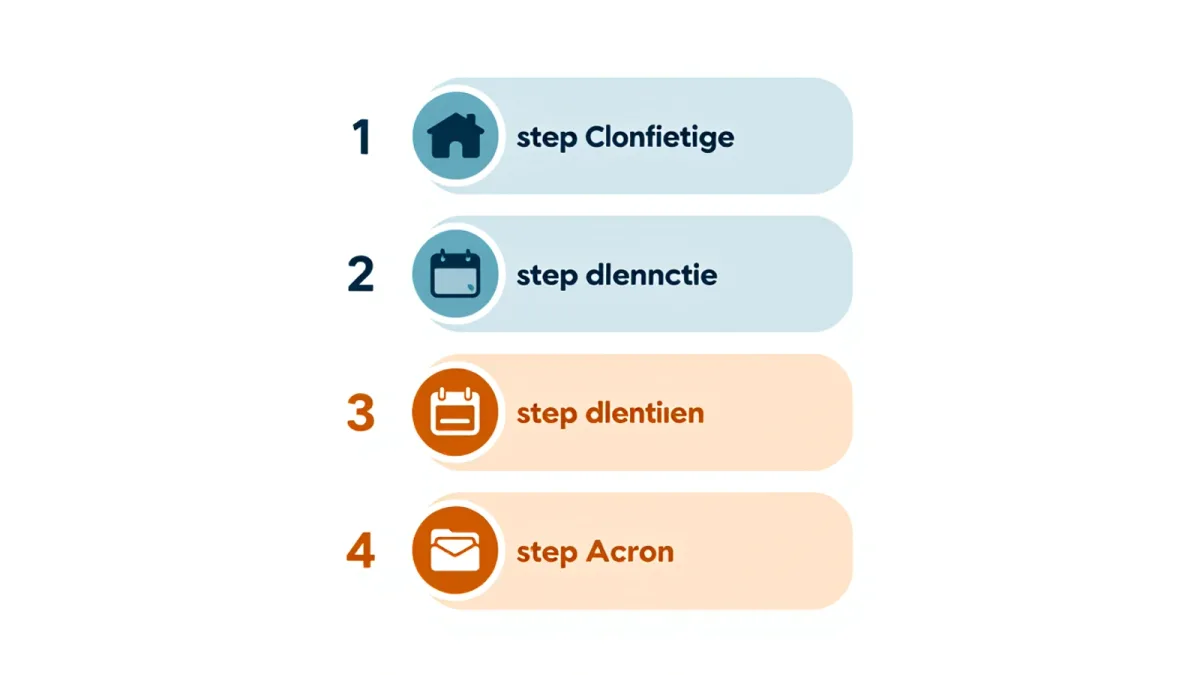
- Find your local LIHEAP office. Search your state's energy assistance website or use the federal LIHEAP clearinghouse directory. In many states the program is delivered through community action agencies.
- Check the application window. Most states open for the heating season in fall or early winter, with separate windows for cooling and crisis help. Dates vary by state.
- Gather documents. Typically: recent photo ID, proof of income for everyone in the household for the past 30 days, your most recent energy bill or shutoff notice, and Social Security numbers for household members.
- Submit the application. Depending on the state, you can apply online, by mail, or in person. Ask whether an appointment is required.
- Follow up. If approved, the payment usually goes directly to your utility company or fuel vendor. If denied, you can appeal, and the denial letter must explain how.
What if you have a shut-off notice right now?
Tell the intake office immediately and ask for crisis or emergency assistance, which is processed on a faster track, sometimes within 48 hours for households with no heat. Many states also prohibit utility shutoffs during extreme cold or for households with medical needs, infants, or seniors, regardless of LIHEAP. Call your utility company as well: most are required to offer a payment plan before disconnecting service, and a pending LIHEAP application often pauses collection activity.
Can you get LIHEAP more than once?
Yes, in most states you can receive a regular heating benefit and a separate crisis benefit in the same season, and you must reapply each year. Cooling and heating assistance are generally treated as separate benefits in states that offer both. Receiving LIHEAP does not affect eligibility for SNAP, Medicaid, or other programs, and some utilities give additional discounts to customers enrolled in LIHEAP, so it is worth asking your utility whether enrollment triggers a rate reduction.
What documents do states usually ask for?
Requirements vary by state, but the list is consistent enough to prepare in advance: photo identification for the applicant, Social Security numbers or documentation for every household member, proof of all household income from the previous 30 days — pay stubs, benefit award letters, or a zero-income statement — a current utility bill showing the account number, and proof of residence such as a lease. Households applying for crisis help should also bring the shutoff notice. Missing documents are the most common reason applications sit unprocessed, so asking the office for its exact checklist before your appointment pays off.
Does LIHEAP count toward other benefits?
Receiving LIHEAP generally does not reduce other benefits, and in some cases it increases access. Federal rules let LIHEAP enrollment qualify a household for utility Lifeline telephone and broadband discounts, some weatherization programs treat LIHEAP participation as proof of income eligibility, and many utilities automatically enroll LIHEAP recipients in their own percentage-of-income payment plans. Because energy programs share data through the state agencies, one successful LIHEAP application often unlocks several forms of bill relief at once.
Where to start
Your first stop is your state LIHEAP office, listed through the federal LIHEAP clearinghouse. SocialGov publishes information, not benefits advice, and cannot take applications; only your state or local energy office can determine eligibility and process your grant.