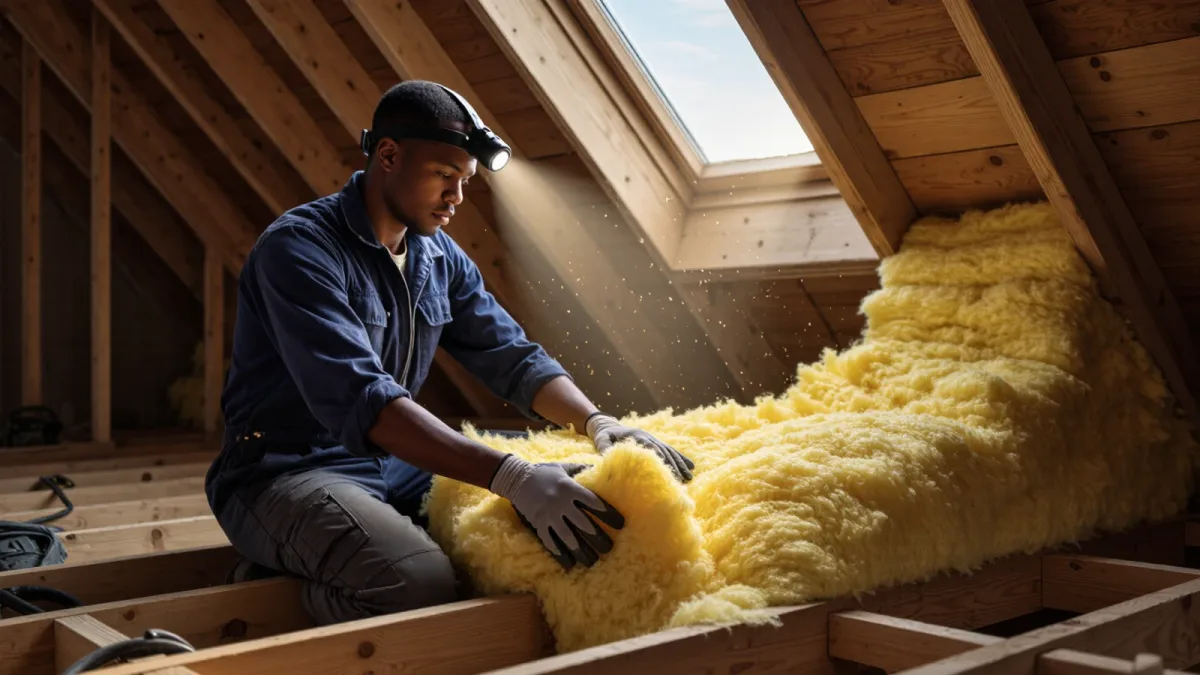
The Weatherization Assistance Program (WAP) is a Department of Energy program that pays for free energy-efficiency upgrades in the homes of low-income households — insulation, air sealing, furnace repair or replacement, and similar work performed by professional contractors. Since its founding in 1976 the program has weatherized more than 7 million homes, according to the Department of Energy, and studies find participating households save roughly $280 or more a year on energy costs on average. Eligibility is income-based: households at or below 200 percent of the federal poverty line qualify, which was about $52,600 a year for a family of three under 2025 guidelines. Homeowners and renters both qualify, the work is free, and applications go through your state's weatherization office or a local community action agency.
What does the program actually pay for?
Weatherization is not cosmetic. An auditor inspects your home with tools like blower-door tests and infrared cameras, identifies where energy is wasted, and prescribes the most cost-effective fixes. Average investment runs about $8,000 per home nationally, and typical measures include:
- Attic, wall, and floor insulation
- Air sealing of gaps around windows, doors, and the building shell
- Furnace, boiler, or heat pump tune-ups, repairs, or replacement when unsafe or inefficient
- Duct sealing, and in hot climates, attic ventilation and shading measures
- Refrigerator replacement for old inefficient units, and LED lighting
- Health and safety work required before weatherizing: fixing carbon monoxide hazards, moisture problems, and venting
Repairs needed purely for appearance are not covered, and major structural work is generally out of scope — weatherization makes a sound home efficient and safe, not unsound homes new.
Who qualifies?
The baseline rule is household income at or below 200 percent of the federal poverty line, though states may use a higher threshold, such as 60 percent of state median income, and households receiving Supplemental Security Income or Assistance for Needy Families are automatically eligible. Priority goes to households with elderly members, people with disabilities, families with children, and homes with high energy use. Renters qualify with their landlord's agreement, since the improvements attach to the building; in practice, landlords of buildings where most tenants are income-eligible often consent because the work raises the property's value at no cost.
How do you apply?
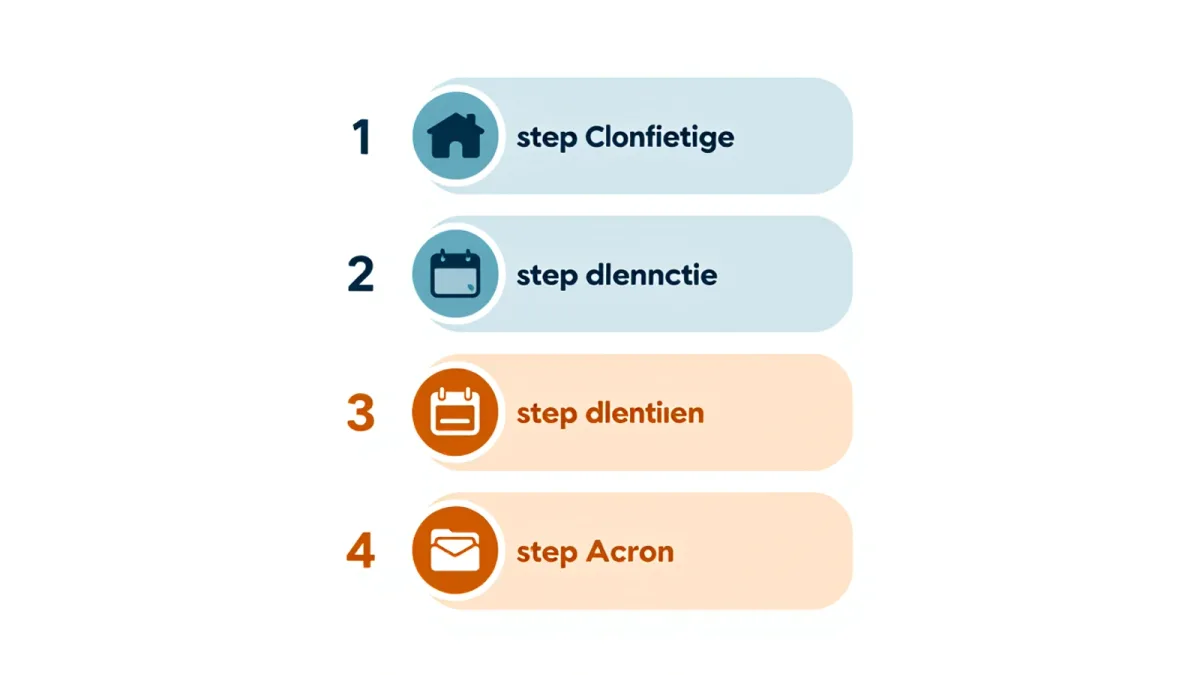
- Find your local weatherization provider. Each state lists its agencies; community action agencies handle most applications. The DOE's weatherization page links to every state contact.
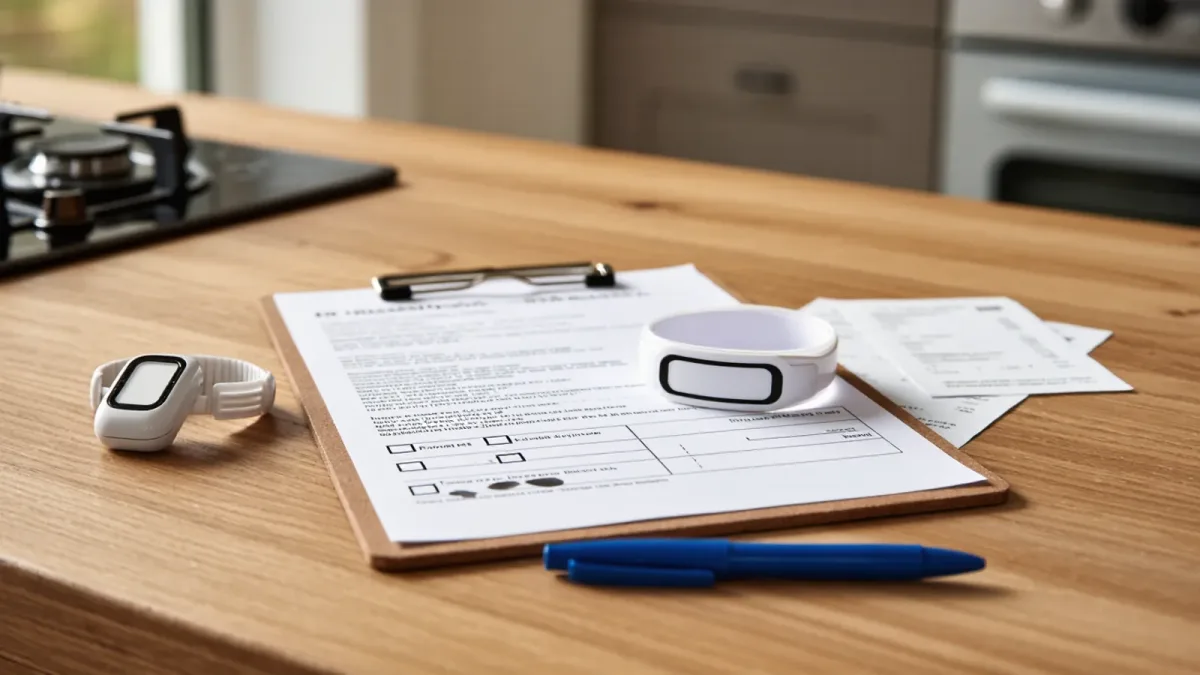
- Apply and verify income. You will submit proof of income for all household members, or evidence of SSI or TANF receipt. Renters also need the landlord's permission.
- Wait for the energy audit. Providers schedule a professional auditor, who tests the home and produces a work plan. Waiting periods vary widely — from weeks in low-demand areas to a year or more where funding is tight.
- Approve the work plan. The agency shows you which measures will be done. You do not pay; contractors are paid from the grant.
- Have the work done and inspected. Crews complete the measures, and a final inspection verifies quality before the job closes.
Does weatherization help if you use LIHEAP?
The two programs are designed to work together and solve different parts of the same problem. LIHEAP pays a bill; weatherization lowers the bill permanently. Households enrolled in LIHEAP are often flagged as weatherization candidates during the LIHEAP intake process, and the income rules overlap substantially. If you receive energy assistance each winter, applying for weatherization is the structural fix: a one-time upgrade that reduces what you need from LIHEAP every season afterward.
What if you are on a waitlist?
Weatherization is not an entitlement, and national funding serves only a fraction of eligible homes each year, so providers keep waiting lists that can run months to years. Stay reachable and respond quickly when your name comes up, because auditors work from appointment schedules and missed slots send families to the back of the queue. Ask the provider whether crisis cases — no heat, unsafe furnace — are prioritized; many states fast-track households with dangerous or failed heating systems.
What happens during an energy audit?
The audit is the step that separates weatherization from a simple repair visit. A certified auditor runs a blower door — a fan sealed into a front doorway that depressurizes the house — to measure air leakage and locate drafts, uses an infrared camera to find missing insulation, and tests combustion appliances for carbon monoxide and proper venting. The results feed a computer model that ranks which measures save the most energy per dollar, and the agency schedules work from that ranking. Ask for the audit findings: knowing where your home loses heat is useful information even before crews arrive.
How long does the weatherization work take?
Most single-family jobs are completed in a few days of crew time, spread over one to two weeks depending on the measures ordered — a furnace replacement or wall insulation job adds days. Multifamily buildings are scheduled building by building and take longer. Before crews leave, the agency schedules a final inspection that repeats key tests, especially the combustion safety checks, and any failed measure is corrected at no charge. You should receive a summary of what was installed and any maintenance recommendations; keep it with your home records for future resale or energy programs.
Where to start
The Department of Energy's Weatherization Assistance Program page lists every state office and explains current program rules. SocialGov publishes information, not benefits advice, and cannot schedule audits or perform work; your state weatherization office and its local providers are the ones who take applications.