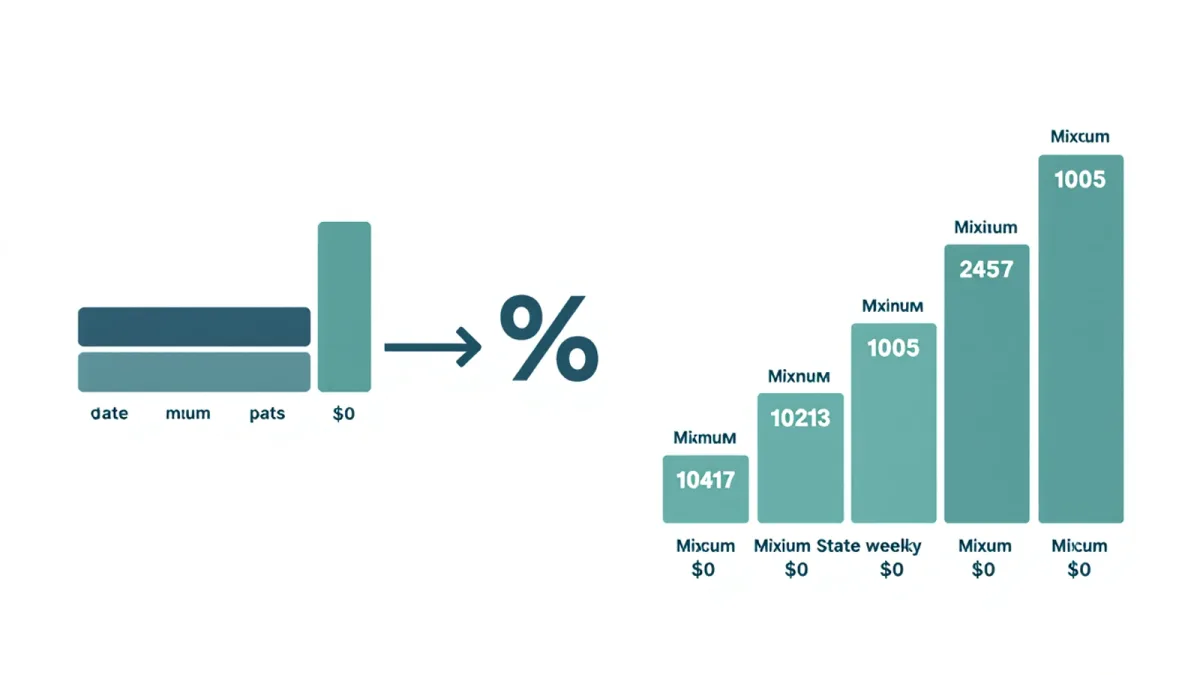
Unemployment insurance benefits are calculated from your recent earnings, not your need, and the formulas are set entirely by the states, which is why two identical workers in different states can receive very different checks. Most states take your wages in the highest-earning quarter of your base period, apply a percentage — typically 50 to 70 percent of that quarter's average weekly wage — and cap the result at a state-set maximum weekly benefit. That maximum ranges from roughly $300 a week or less in the lowest-benefit states to more than $1,000 in high-wage states, and most states pay for up to 26 weeks. The program is federal in name but operational in every detail: filing, eligibility, amounts, and duration are all state decisions, so your state unemployment agency's own tables are the final word.
What is the base period?
States calculate benefits from a base period, normally the first four of the last five completed calendar quarters before you filed. Wages you earned in the most recent quarter generally do not count yet, which surprises many claimants whose pay had just risen. Most states offer an alternative base period — the last four completed quarters — that includes newer wages and often makes recently employed workers eligible who would otherwise fail the standard test. If your wages fall in the alternative period, ask your state agency to apply it; in several states it is automatic once the standard test fails.
How is the weekly amount actually figured?
States differ in mechanics but share the same shape: your highest or total base-period wages are run through a percentage and a cap.
- High-quarter method: most common — your weekly benefit is a share (commonly 50 to 70 percent) of the average weekly wage in your highest quarter
- Total-wages method: some states use a fraction of total base-period wages
- Annual-wages method: a few states compute from annualized earnings
Two state-specific features matter as much as the percentage. The dependent allowance, offered in a dozen or so states, adds a small amount per child — commonly $10 to $25 per dependent — and the maximum weekly benefit acts as a hard ceiling that binds for middle- and upper-wage workers. A worker earning well above their state's average wage almost always hits the cap rather than the formula.
How long do benefits last?
The standard duration in nearly every state is up to 26 weeks. A handful of states offer less — Florida and North Carolina sit in the low teens to low twenties depending on the unemployment rate — and Massachusetts offers up to 30 weeks at the top end. Extended benefits beyond the standard weeks exist only when a state's unemployment rate triggers them, and the temporary federal extensions seen in 2020-2021 were emergency programs, not part of the standing system. In normal times, plan around your state's standard maximum.
How do you file?
- File in the state where you worked, not where you live — relevant for commuters and workers who moved after a layoff.
- File in your first week unemployed. Benefits are never retroactive to your job loss; waiting costs real money.
- Use your state agency's portal or phone line. There is no national application; each state runs its own system.
- Have wage records ready. Employers from the last 18 months, dates of work, and the reason for separation.
- Certify weekly. Most states require a weekly or biweekly claim confirming you are able, available, and searching for work, typically logging three or more job contacts a week.
- Appeal denials promptly. Separation disputes — whether you were laid off or fired for cause — are decided by the state agency, and appeal deadlines are commonly 10 to 30 days.
Why does the same layoff pay so differently by state?
Because every parameter is local. A warehouse worker earning $850 a week before layoff might receive close to $400 in a mid-cap state but hit a lower cap elsewhere, while the same worker in a high-wage state could exceed their formula amount and receive the full calculated benefit. State financing also differs: benefits are paid from state unemployment taxes on employers, and decades of different tax and benefit choices produced today's spread. This is why national comparisons of "average unemployment check" are of limited use to any individual — your own state's schedule of maximum weekly benefits is the number that matters.
Are unemployment benefits taxable?
Yes. Unemployment compensation counts as federal taxable income, reported on a 1099-G form each January, and most states tax it as well. Unlike wages, no automatic federal withholding is taken unless you request it on Form W-4V or your state's equivalent, so many claimants choose to have 10 percent withheld to avoid a tax bill. Job search expenses are generally not deductible for most filers under current federal rules, and a large unemployment payment in a year with little other income usually still results in tax owed.
What can reduce or disqualify a payment?
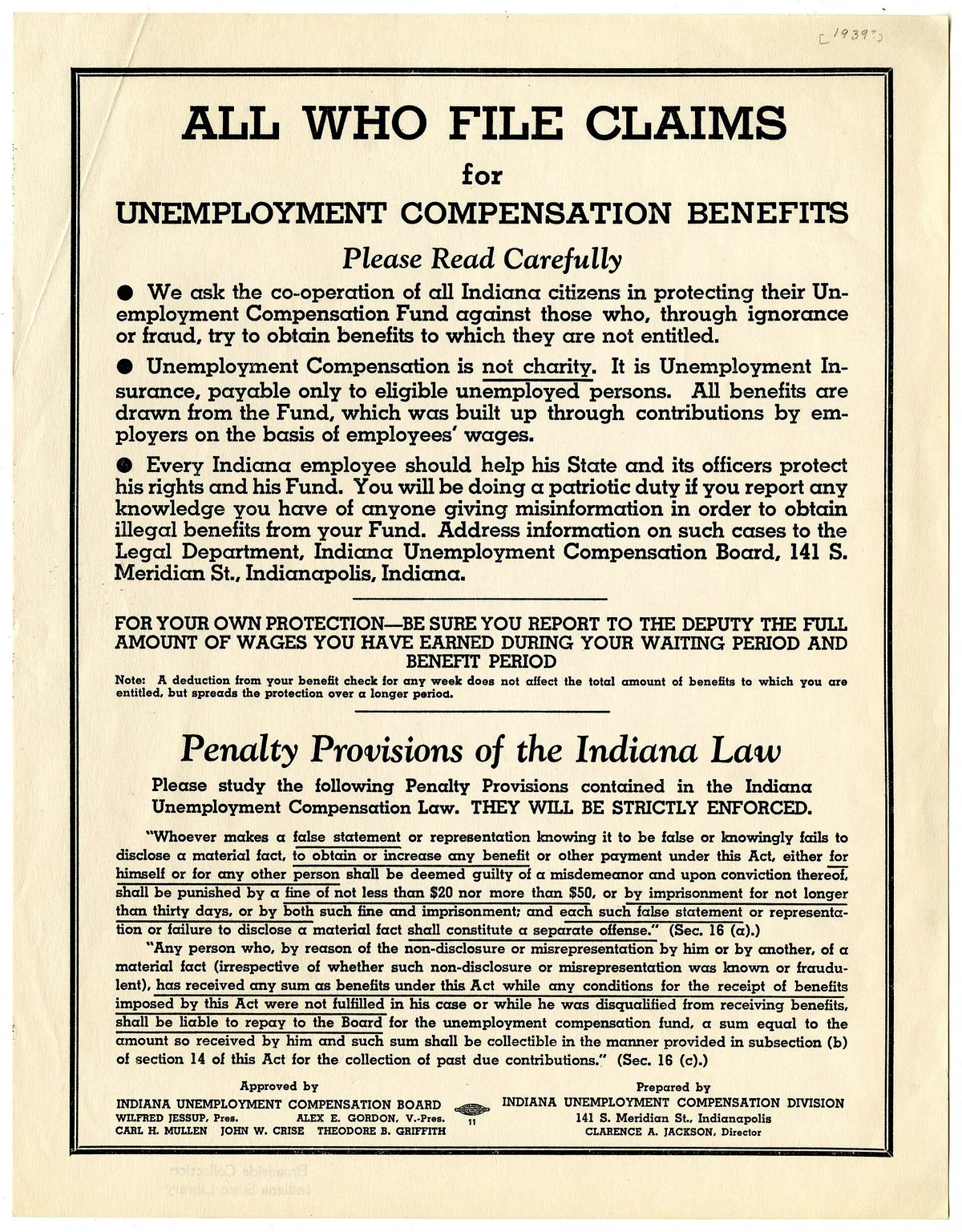
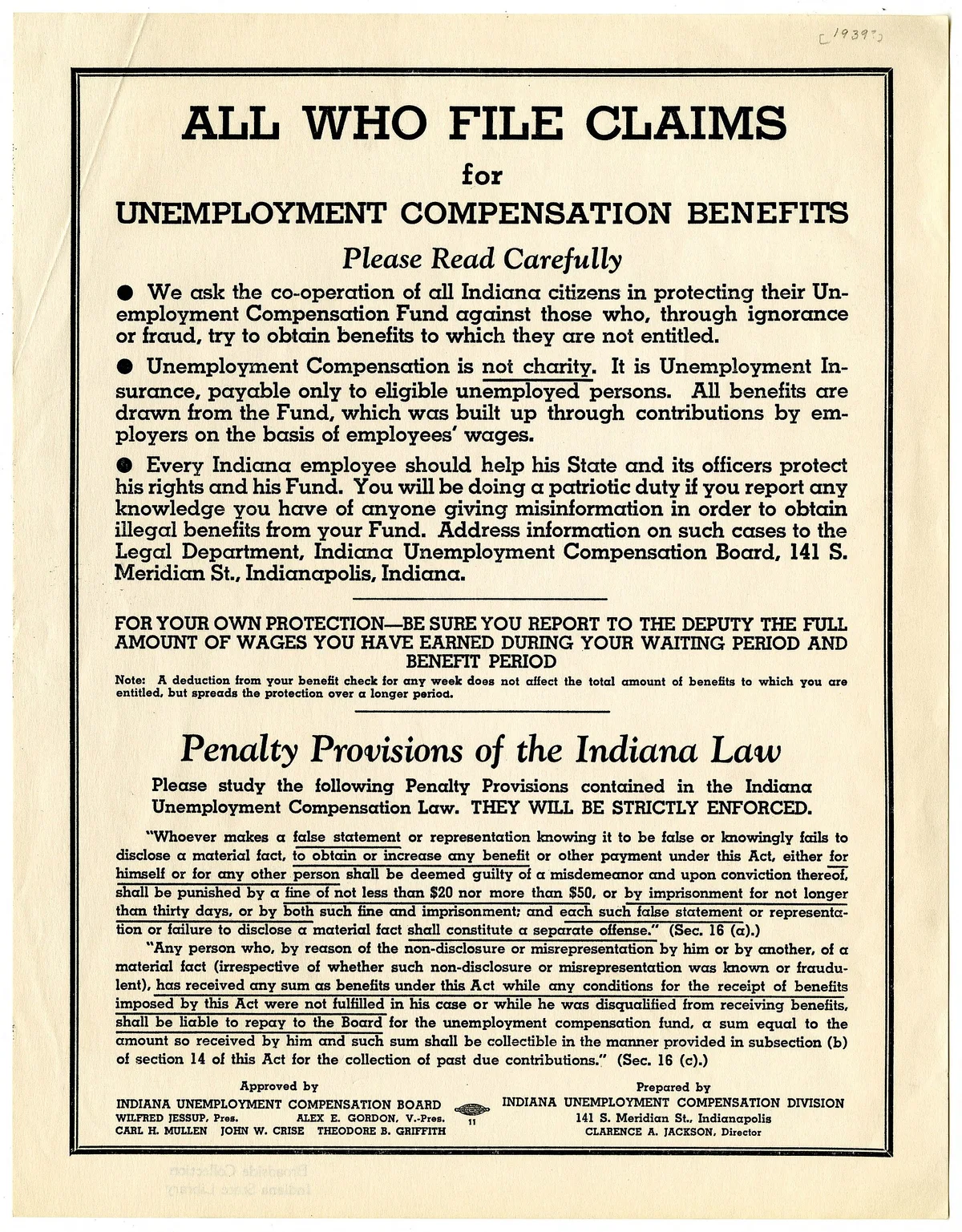
The formula sets the ceiling, but conduct sets the floor. Benefits are reduced dollar-for-dollar by certain earnings you report while certifying, such as part-time wages, pension income in many states, and workers' compensation in some. Disqualification is separate: quitting without good cause, being fired for misconduct, or failing the work-search requirement can bar benefits entirely or for a set number of weeks. Separation decisions are made by the agency after it contacts your former employer, and either side can appeal. Certify accurately every week — small misstatements about hours worked or job contacts are the most common source of overpayment notices later.
How do you check what your state would pay?
Every state unemployment agency publishes a table of maximum weekly benefit amounts and a benefit estimator on its website; the estimator runs your actual reported wages through the state formula in a few minutes. Federal law requires wage information from your base period to be shown to you with your monetary determination after you file, so if the wages listed are wrong — a common problem after job changes — you have a right to request a correction and a redetermination. Filing with accurate employer information for the last 18 months prevents most of these delays.
Where to start
Your state unemployment agency's website publishes the official benefit calculation table, maximum weekly benefit, and duration rules, and that is where you file. SocialGov publishes information, not benefits advice, and cannot file claims; only your state agency can compute your exact weekly amount.