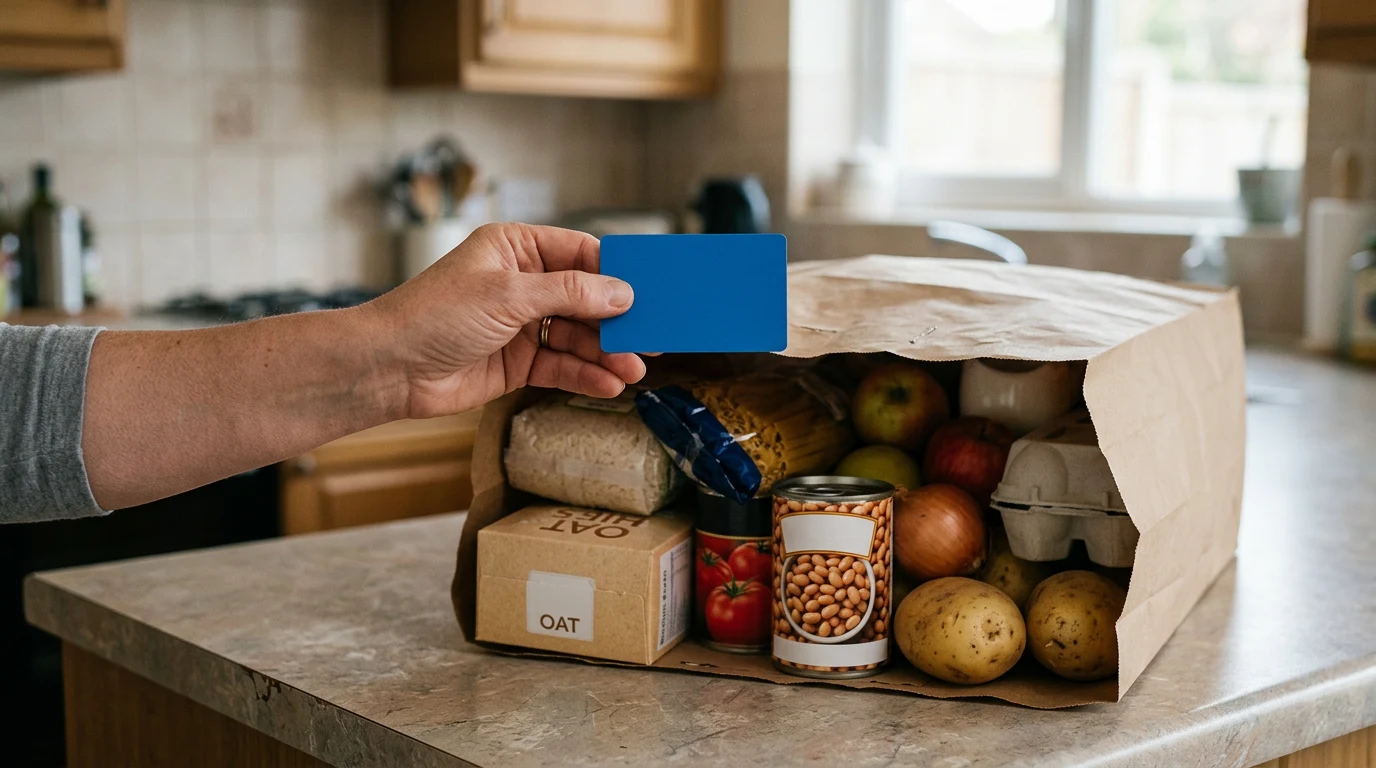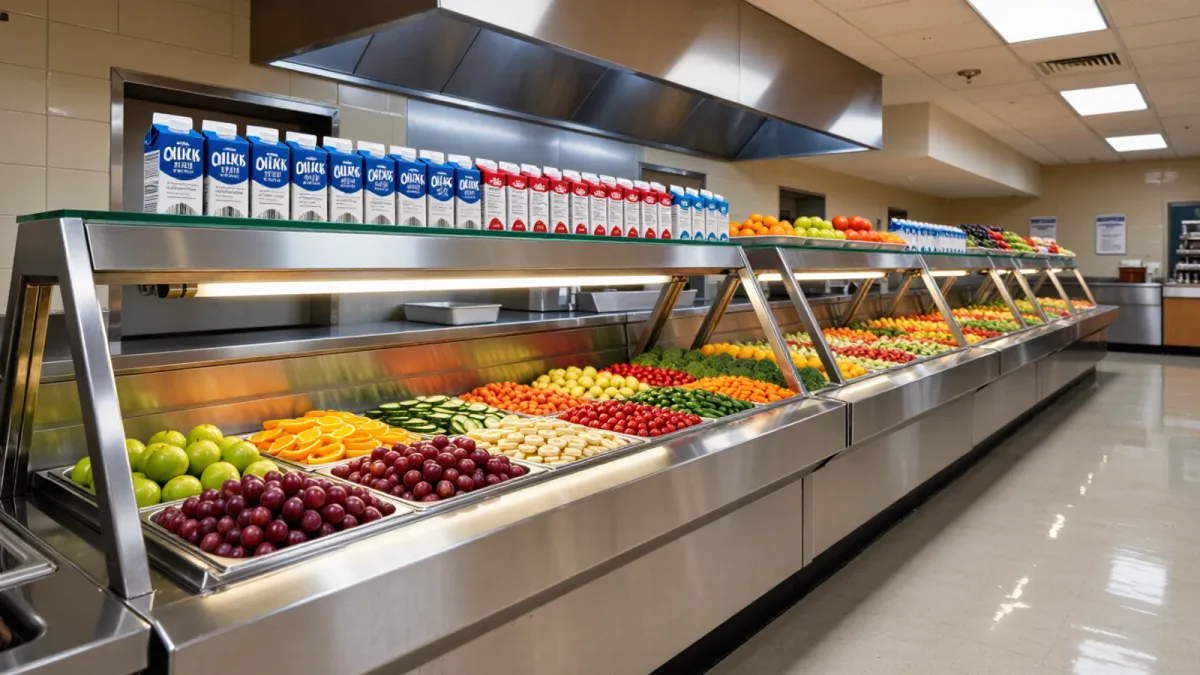
The Community Eligibility Provision (CEP) is a USDA option that lets schools and districts serving high shares of low-income students offer free breakfast and lunch to every enrolled child, with no applications, no income verification, and no cafeteria registers. Under federal rules that expanded nationwide in the 2014-15 school year and were made easier by a 2023 rule lowering the entry threshold, a school qualifies when at least 25 percent of its students are directly certified for free meals through programs like SNAP, TANF, or foster care. Tens of millions of children now attend CEP schools, according to Agriculture Department data. Importantly, eligibility is decided by the school, not the family: if your child attends a CEP school, meals are free and you do nothing to claim them.
How does a school qualify?
The trigger is the Identified Student Percentage (ISP) — the share of students directly certified for free meals because the household participates in SNAP, TANF, Medicaid in some states, is homeless, migrant, in foster care, or a Head Start participant. Since school year 2023-24, any school or group of schools with an ISP of 25 percent or higher can elect CEP. Schools below the threshold can group with neighboring schools to reach a combined 25 percent, which is common in mixed-income districts. The ISP is calculated from state data matches each spring, not from any paperwork parents submit.
How are schools reimbursed if every meal is free?
USDA pays each school using a blended rate tied to the ISP. The formula works by applying the federal free reimbursement rate to a portion of meals and the lower paid-rate subsidy to the rest, using a multiplier of 1.6 on the ISP. A school with a 50 percent ISP, multiplied by 1.6, claims 80 percent of its meals at the free rate and 20 percent at the paid rate. Consequences of the design:
- Higher-ISP schools recover the full cost of universal meals; schools near the 25 percent floor often need local money to break even
- Once elected, the rate is locked for four school years, then recalculated
- States can, and several now do, supplement the federal math so more schools can participate without losing money
This blend is why some districts adopt CEP only at certain schools: the same program can be solvent at one building and a budget drain at another.
What does this mean for parents?
If your child's school participates, nothing is required of you: every enrolled student eats breakfast and lunch at no charge, automatically. There is no household income form for school meals in CEP schools, and no meal debt can accrue. Families should still watch for two things. First, your district may ask you to complete an alternative household income form, because that data drives other funding streams — Title I services, broadband discounts, and fee waivers — even though it has no effect on meals. Second, CEP covers school meals, not à la carte snacks or second portions, which are still charged separately.
Is my child's school a CEP school?
The fastest check is your district's food service webpage, which must publish its CEP participation, or a direct question to the school office. State education agencies also maintain annual CEP school lists. Participation has grown quickly since the 2023 threshold change, and many districts have adopted CEP district-wide, so a school that charged for meals two years ago may now be universal. Several states, including California, Maine, and Michigan, have gone further and passed universal free meals statewide regardless of CEP status.
Does losing school meal applications affect other benefits?
It can, and this is the main trade-off districts weigh. Historically, the free and reduced-price applications fed eligibility data into programs beyond the cafeteria: school internet discounts, Title I school designations, and fee waivers. Under CEP, districts replace that data with the alternative income form or with directly certified counts. Congress also created a separate process — the Medicaid continuous enrollment provision — allowing families in some states to gain SNAP eligibility from school meal data, softening the loss. For individual families, the practical rule is simple: in a CEP school, meals never depended on an application, and other benefits ride on separate forms if the district asks for them.
What if our school is not a CEP school?
Your child may still qualify for free or reduced-price meals the traditional way: an application based on household income, or automatic certification if you receive SNAP or TANF. Income-eligible families at 130 percent of poverty or below get free meals; those between 130 and 185 percent get reduced-price meals of no more than 30 cents. Because CEP grouping rules keep expanding, families at a non-CEP school can also ask the district food service director whether the school might join a grouping in a future year — the election happens annually each spring for the following school year.
What do meals look like under CEP?
The nutrition rules do not change with community eligibility. Every reimbursable meal, whether free or paid historically, must meet the same USDA meal patterns: specific servings of fruits, vegetables, whole grains, and milk, with calorie and sodium limits by grade. What changes is the money and the paperwork, not the tray. Schools that adopt CEP frequently see participation rise — more students eating breakfast especially, when combined with classroom or grab-and-go breakfast models — because stigma and cost disappear at the same time, and higher participation is precisely how schools near the 25 percent floor recover more federal reimbursement.
How does a district decide whether to elect CEP?
Each spring, food service directors run the numbers: current ISPs from the state's direct certification match, projected meal counts, the blended reimbursement under the 1.6 multiplier, and any state supplement. Grouping schools with high and low ISPs together often makes a district-wide election pencil out where school-by-school choices would leave a mixed result. Elected status then holds for four years even if the ISP shifts, which protects schools against small dips but also locks in a rate if the data falls. Parents who want their school considered can raise it with the food service director before the district's annual election decision.
Where to start
The USDA Food and Nutrition Service website maintains the official CEP guidance and state-by-state participation data. SocialGov publishes information, not benefits advice, and cannot enroll a school in CEP; your district's food service office controls the election and can tell you exactly how your school meals are funded.