
How interstate compacts let states govern together
A compact is a binding contract between states, approved by Congress, that creates shared agencies for problems no single state can solve — rivers, ports, prisons, and driver records.
Affairs covers the machinery of government itself: agency reorganizations, appointments, intergovernmental funding formulas, jurisdictional disputes and the administrative decisions reshaping who delivers what. Reporting stays with documents and on-record statements. Written for civil servants, local officials, researchers and readers following how public institutions are structured.
Agency machinery and intergovernmental relations covered directly: reorganizations, funding formulas, appointments and jurisdictional disputes.
A compact is a binding contract between states, approved by Congress, that creates shared agencies for problems no single state can solve — rivers, ports, prisons, and driver records.
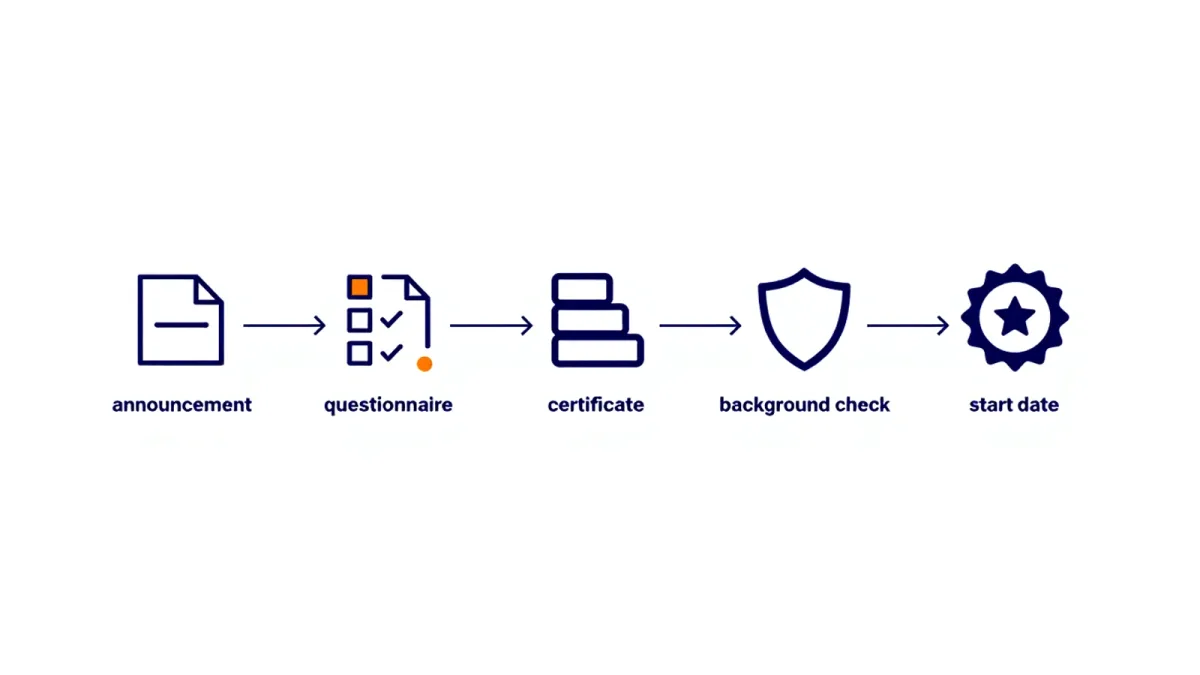
Every competitive-service federal job starts with an announcement on USAJobs, a questionnaire that decides your rank among applicants, and a certificate of eligible candidates the hiring manager must work from.

An executive order directs federal agencies on how to carry out the law — it cannot create new law, spend money Congress did not appropriate, or survive a court that finds it exceeds the president's authority.

When funding lapses, Social Security checks keep going out while national park gates close — the difference comes down to which spending is annual and which is permanent law.

Sixty votes moves most legislation in the Senate, but not judicial nominees and not reconciliation bills — the filibuster's reach is narrower than the debates about it suggest.
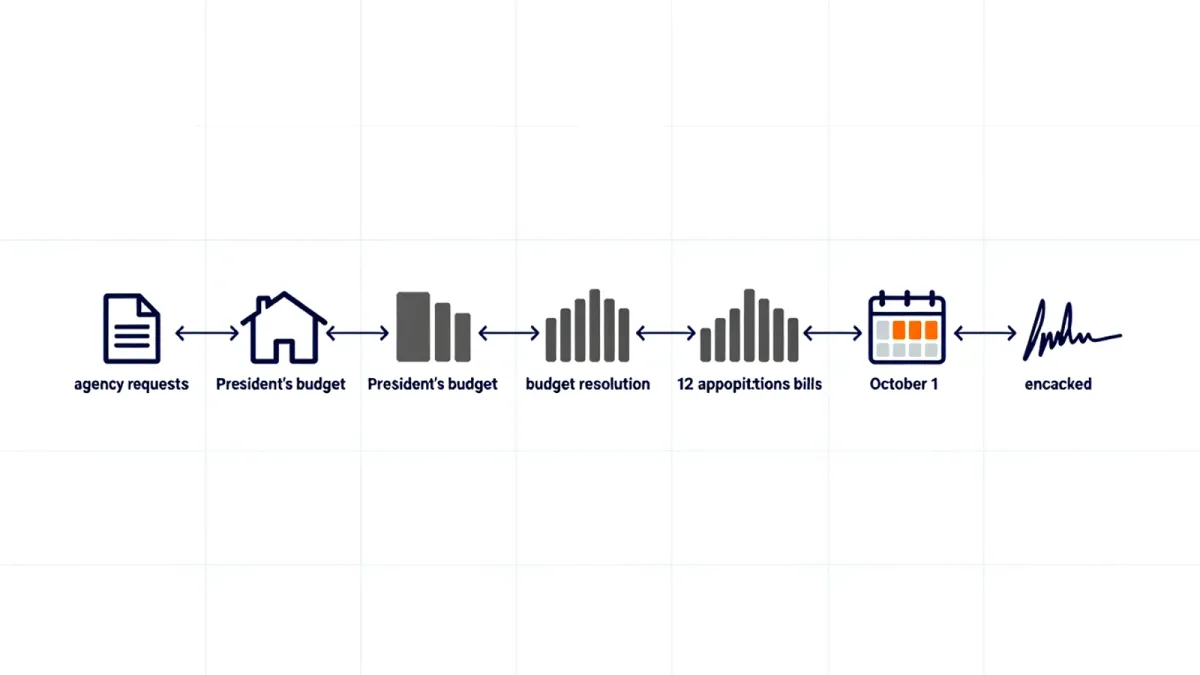
The president proposes, Congress disposes: a year-long pipeline of budget requests, allocations, and twelve spending bills that routinely misses its own October 1 deadline.