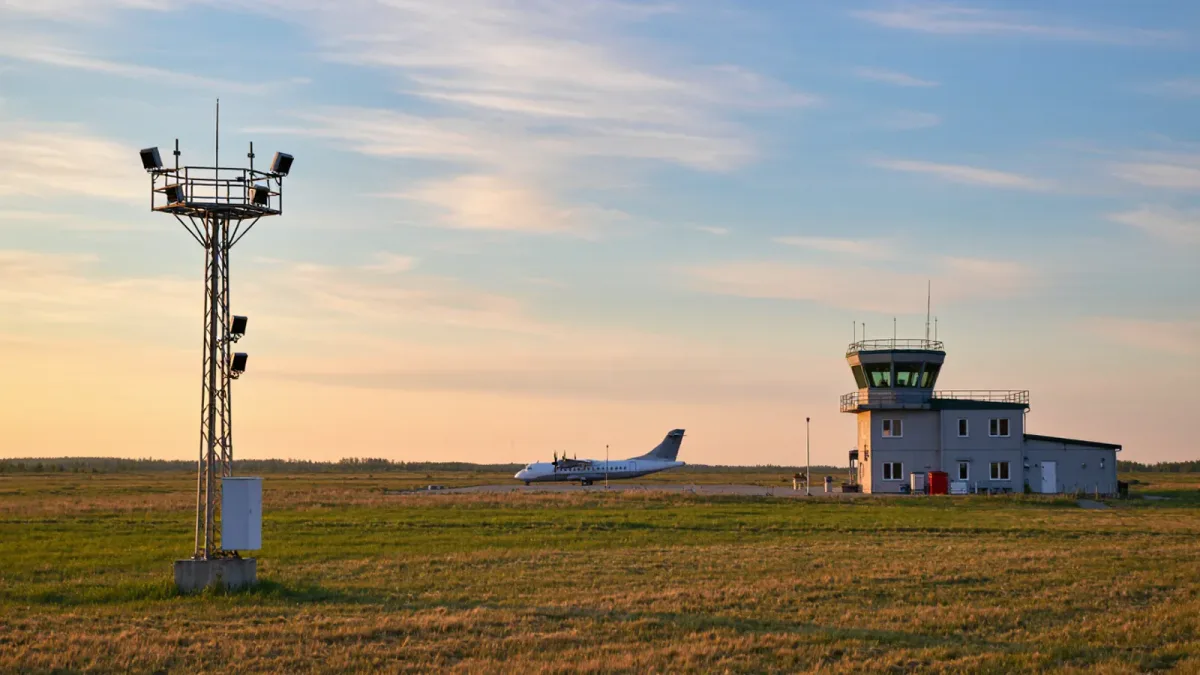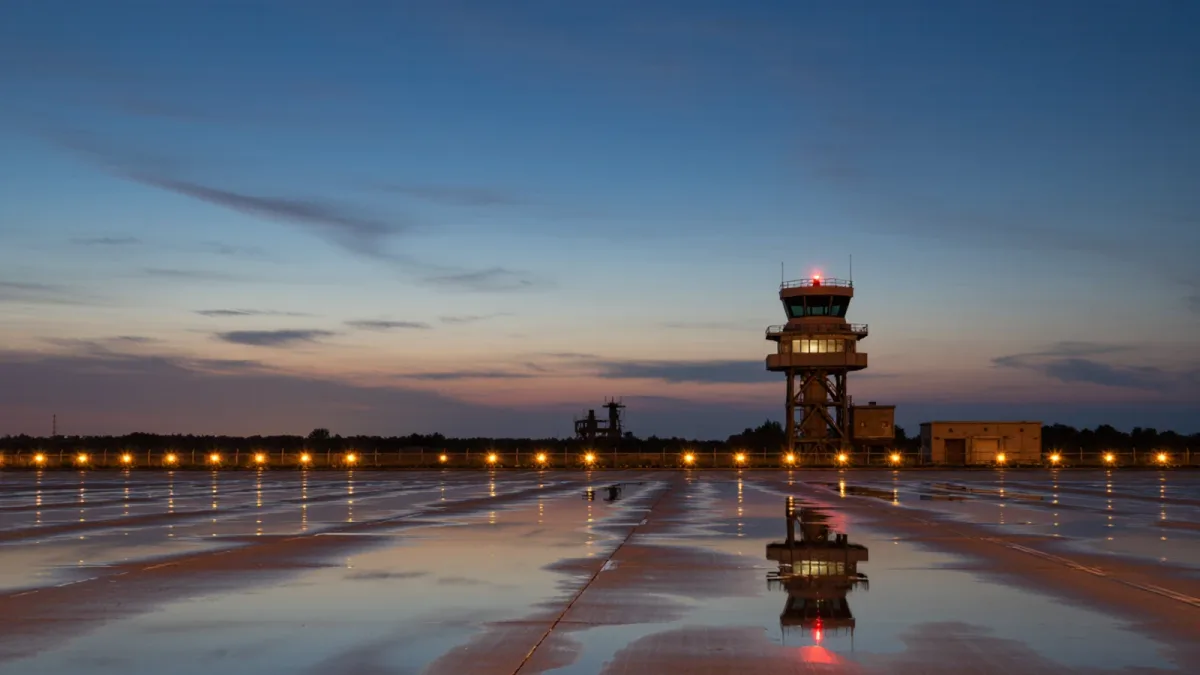
On Dec. 4, 2025, Transportation Secretary Sean Duffy and FAA Administrator Bryan Bedford announced that Peraton would serve as prime integrator for the construction of a brand-new air traffic control system, per the department's announcement. The role puts one contractor in charge of coordinating the replacement of the FAA's telecommunications networks, radars, and automation platforms — work funded by $12.5 billion Congress appropriated in the July 2025 reconciliation law. Bedford, announcing the selection, said the agency would need roughly $20 billion more to finish the job, a figure that frames the 2026 appropriations debate.
What is being rebuilt?
The effort traces to the May 8, 2025 announcement of the administration's plan to replace the core of the National Airspace System: aging telecommunications and data networks, hundreds of surveillance radars, and the hardware and software that controllers use to separate traffic. Supporting work already awarded includes contracts with RTX and Indra to replace up to 612 radars by June 2028 and more than $835 million in investments announced by Duffy, including over $750 million to replace eight air traffic control towers and TRACON facilities, per FAA and DOT announcements.
Why a prime integrator?
FAA acquisitions have historically fragmented across dozens of contracts, which officials blame for decades of stalled modernization, including the still-uncompleted replacement of the en-route automation platform. The prime integrator model makes one company responsible for sequencing and integrating the whole rebuild — networks first, then surveillance, then automation — with the FAA as contract overseer. It is the same approach the department used to justify the single appropriation rather than a multiyear reauthorization ask.
Who is affected?
Controllers, airlines, and passengers all ride on the schedule. The 2025 shutdown, the longest on record, idled significant numbers of controllers and exposed staffing shortfalls at facilities in New York and New Jersey, pressure that accelerated the modernization push. Airport sponsors benefit from the tower and TRACON replacement funds, and manufacturers compete for the equipment work that flows through the integrator.
What it means for you
For travelers, the practical effects arrive in stages: radar replacements and network upgrades begin showing up in reduced weather-related delays only after facilities cut over, and the department's target for completing the core rebuild is the end of 2028. Nothing about the program changes how you fly in 2026, though staffing-driven delays in the Northeast remain the near-term friction. Progress can be tracked through FAA newsroom announcements and DOT briefings, which have been the official channel for every contract award so far.
What happens next?
The FAA's fiscal 2027 funding request, and whether Congress adds to the $12.5 billion, will determine how much of Bedford's additional $20 billion materializes. Peraton's first deliverables are the integrated schedule and the network cutover plan, and the radar contracts run through mid-2028. Watch for tower construction starts at the eight named sites and for any revisions to the 2028 completion target in DOT's briefings.