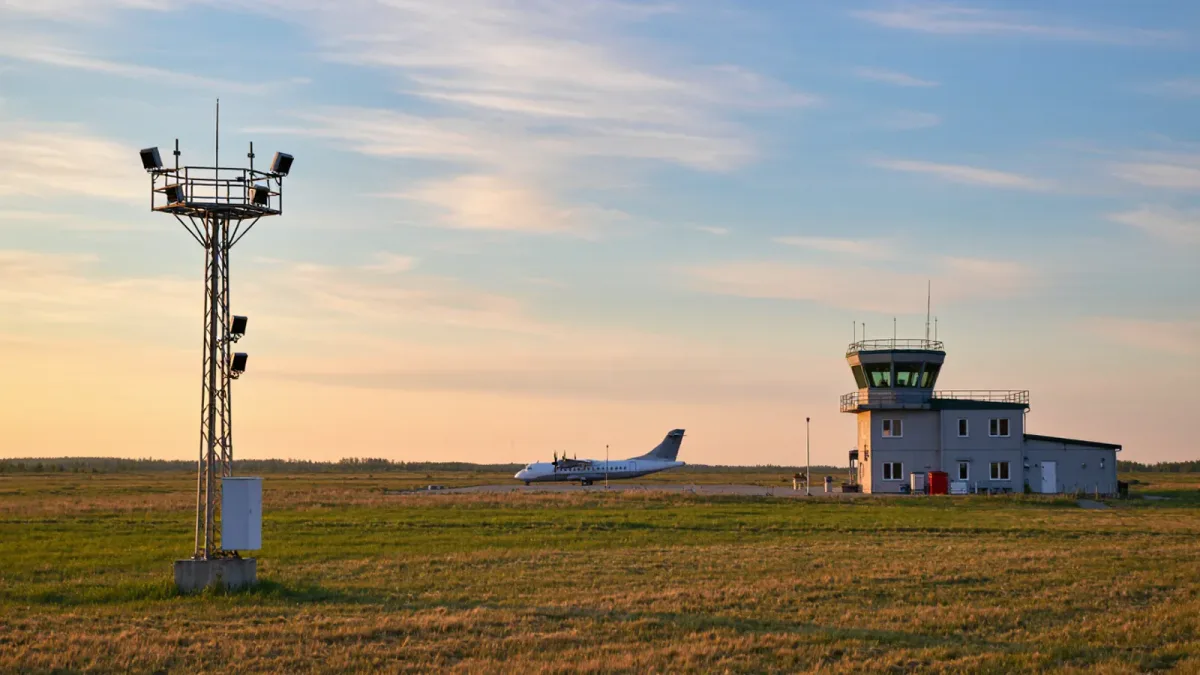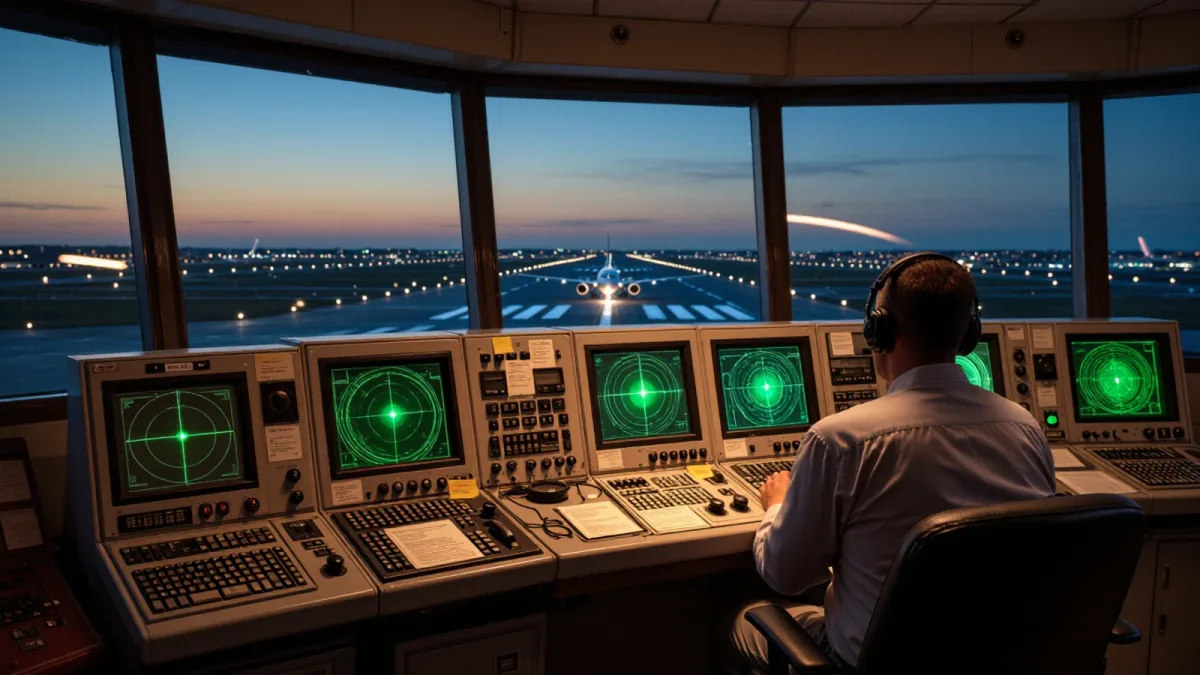
Two Government Accountability Office reports from 2025 put numbers on the state of the nation's air traffic control infrastructure. One (GAO-25-107917) found the FAA has 64 ongoing investments to modernize 90 of its 105 systems rated unsustainable — systems that support more than 50,000 daily flights but rely on aging or unsupported equipment. A companion review (GAO-25-108162) concluded the agency had made only mixed progress since 2018 on its multi-decade effort to modernize air traffic management.
What did the reports find?
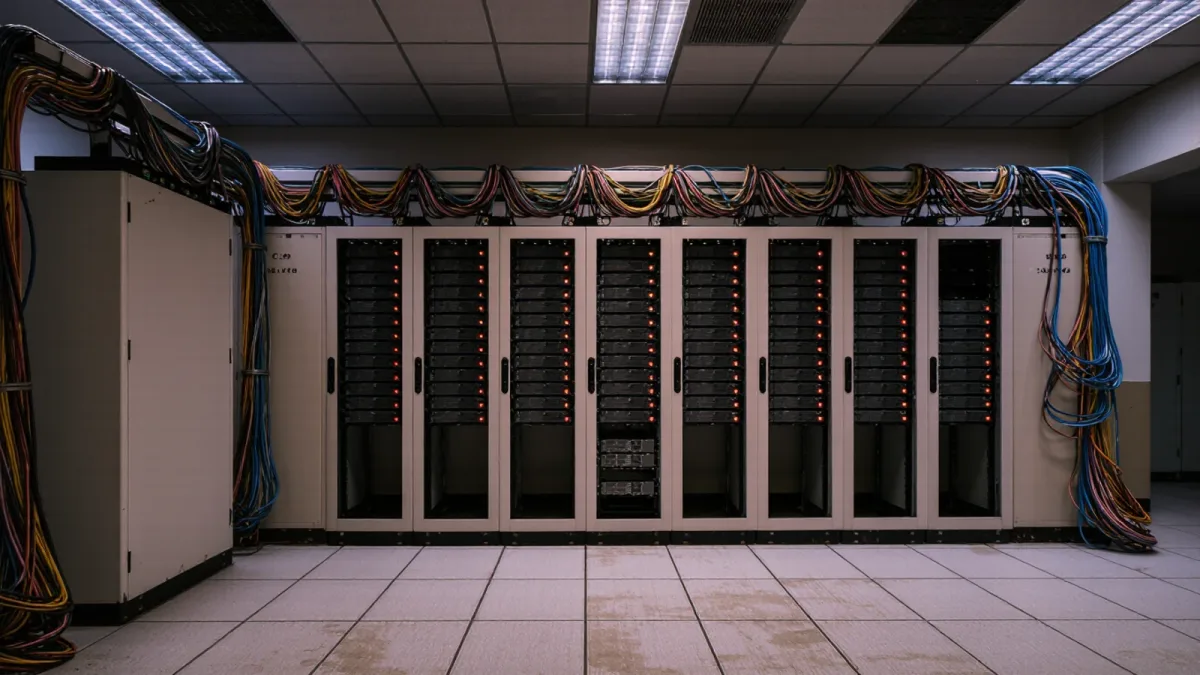
The FAA operates a network of radars, radios, automation platforms, and communication links, and GAO rated 105 of them unsustainable: obsolete, hard to maintain, or dependent on parts and skills that are disappearing. Replacements exist for most — hence the 64 active projects — but the reports found schedule and cost problems across the portfolio, with some systems awaiting replacement still failing in service. GAO recommended the FAA prioritize which systems to replace first and give Congress clearer schedule and cost information, given that modernization depends on multi-year appropriations.
Staffing is the second half of the picture. GAO's workforce reporting found the FAA employed 13,164 controllers at the end of fiscal year 2025, about 6 percent fewer than in 2015, even after annual hiring increases since 2021. The agency attributes the shortfall to pandemic-era training disruptions, the two-to-three years it takes to certify a new controller, and attrition. GAO recommended the FAA set concrete goals and make better use of data in recruiting, hiring, and training.
What happens next?
The FAA has multi-year modernization funding requests before Congress, and its controller workforce plan sets annual hiring targets that GAO will track. The 105-system inventory and the staffing data give lawmakers specific benchmarks: how many unsustainable systems remain, how many controllers are hired and certified, and whether facility-level staffing moves toward targets.
What it means for you
These findings explain delays travelers experience now: when old equipment fails or a facility is short-staffed, the result is slower traffic flow, ground stops, and longer waits — the FAA manages less capacity than its airspace could handle. The audits are also why Congress keeps funding both sides of the problem at once: new equipment, and the hiring and training pipelines needed to staff the facilities that operate it. Progress reports against GAO's numbers are the way to judge whether the promised upgrades are real.
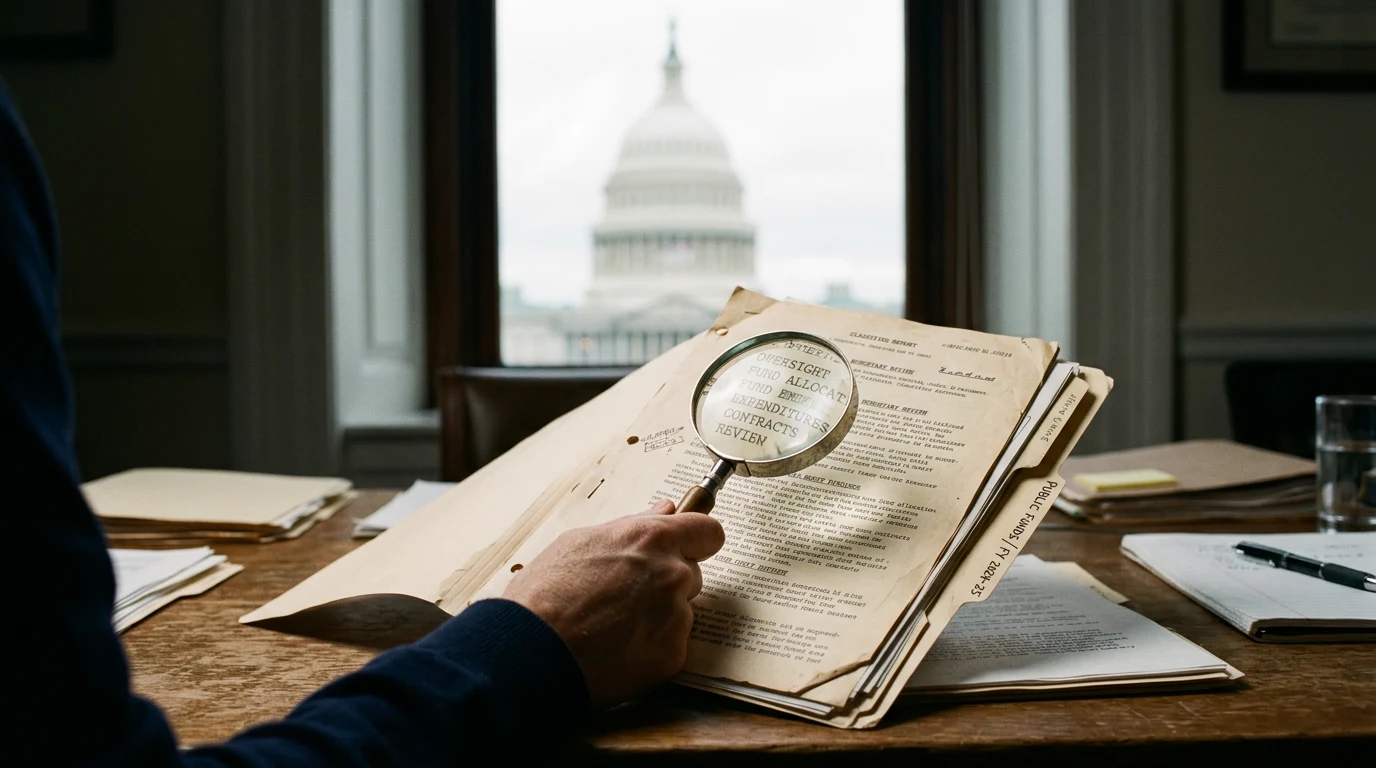
GAO's recommendations to the FAA follow a consistent theme: the agency needs to show Congress a prioritized, costed sequence for replacing its unsustainable systems, because the modernization portfolio competes for the same multi-year appropriations. Without that sequencing, auditors have found, the agency risks spreading funding across projects without retiring the highest-risk systems first — the pattern that has kept some of the same systems on replacement lists for a decade.