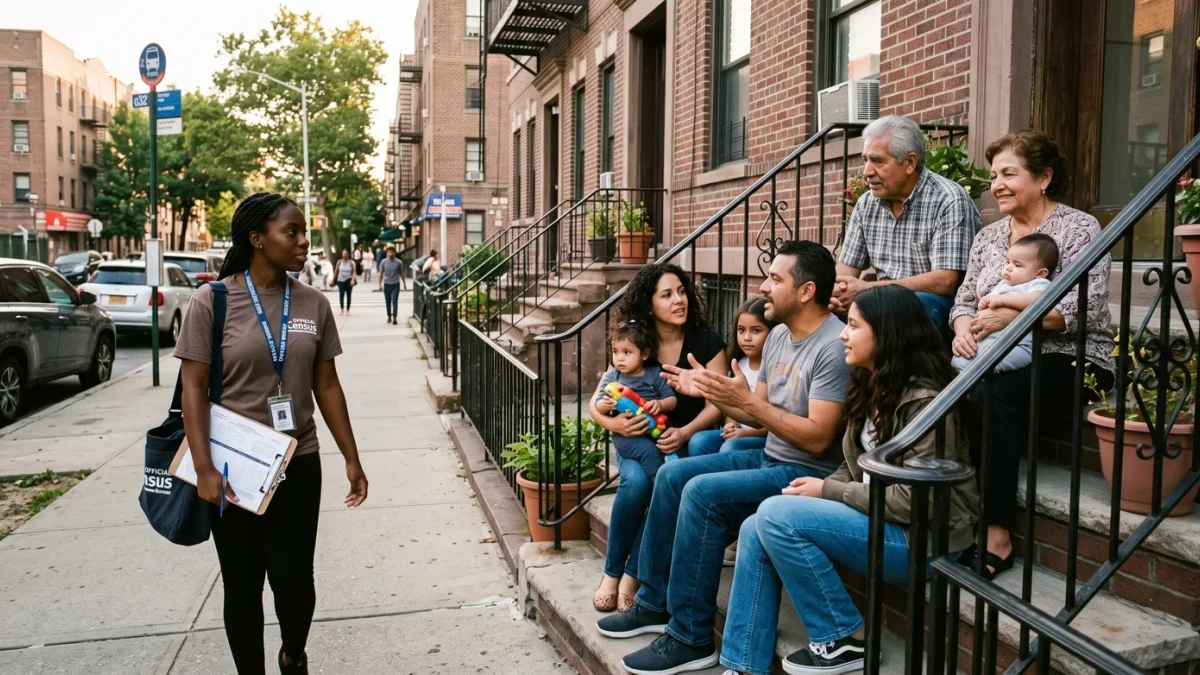
Preparation for the 2030 census entered its field phase in 2026 with the Census Bureau's first major test of new tools and methods, but the trial is smaller than originally planned. The 2026 Census Test was initially designed for six locations chosen in part to reflect historically undercounted communities; the bureau has since reduced it to limited operations in two test sites, per the bureau's 2030 census planning pages.
What changed?
Three planning milestones define where the 2030 count stands. First, in July 2025 the bureau published its 2030 Census Operational Plan, the guiding document for how the decennial count will be conducted. Second, the 2026 Census Test, the first of two major field tests planned before 2030, moved forward with a reduced footprint of two sites instead of six. Third, oversight bodies flagged the consequences: a Government Accountability Office report noted that the bureau needs additional data to inform the 2030 design and described the 2026 test's purpose as assessing the viability of new or revised design elements.
The scale-back drew objections. The Leadership Conference on Civil and Human Rights and the League of Women Voters both raised concerns that a limited test risks leaving the bureau without the evidence base it needs, on the theory that a test trimmed too far cannot reveal how undercounted communities will respond to new methods.
Who is affected?
In 2026, mainly the residents of the two test sites, who encounter trial questionnaires, contact strategies, and field procedures. But the stakes extend to everyone counted in 2030. Census results determine apportionment of the House of Representatives, guide the distribution of hundreds of billions of dollars in federal program funds, and feed state and local planning. Design elements tested now, such as how the internet-first response option works and how nonresponse follow-up is staffed, shape how accurately every community is counted.
What should you do?
Most households do not need to act on census news yet. The next time most Americans engage with the decennial census is around April 1, 2030. If you receive a questionnaire identified as a census test, responding helps the bureau evaluate its methods; census responses, including test responses, are confidential under law and cannot be shared with other agencies or used against respondents. Communities and local governments can follow the bureau's published operational plan and comment opportunities through census.gov.
What this means for you
The practical takeaway is that the census you fill out in 2030 is being designed now, and the evidence behind that design will be thinner than the bureau's own original plan called for. Advocacy groups argue the reduced test increases the risk of operational surprises in 2030, which historically fall hardest on undercounted groups. Whether you rent or own, move often or stay put, the completeness of the 2030 count will influence political representation and federal funding formulas for the decade that follows.
SOCIALGOV is an independent publication and is not affiliated with the Census Bureau. The bureau's 2026 Census Test page and 2030 census planning materials at census.gov are the authoritative sources on testing locations and scope.