A bill becomes law when both the House and Senate pass identical text and the president signs it or a veto is overridden by two-thirds of each chamber. Most bills go no further than a committee referral; of the thousands introduced in a two-year Congress, only a few hundred are enacted, typically in the final weeks before adjournment. Here is the route, checkpoint by checkpoint.
How does a bill get introduced in the first place?
Any member of Congress can introduce a bill. In the House, a member places the text in a wooden hopper near the Clerk's desk or files it electronically; in the Senate, a member hands it to the presiding officer or introduces it from the floor. A sponsor signs the bill and co-sponsors may join. Each chamber assigns the bill a number — H.R. for House bills, S. for Senate bills — and the Government Publishing Office prints the text. The bill gets a first reading by title, and the chamber refers it to a committee with jurisdiction over the subject. That referral decision, made under each chamber's rules, is the first filter most bills fail.
What happens in committee?
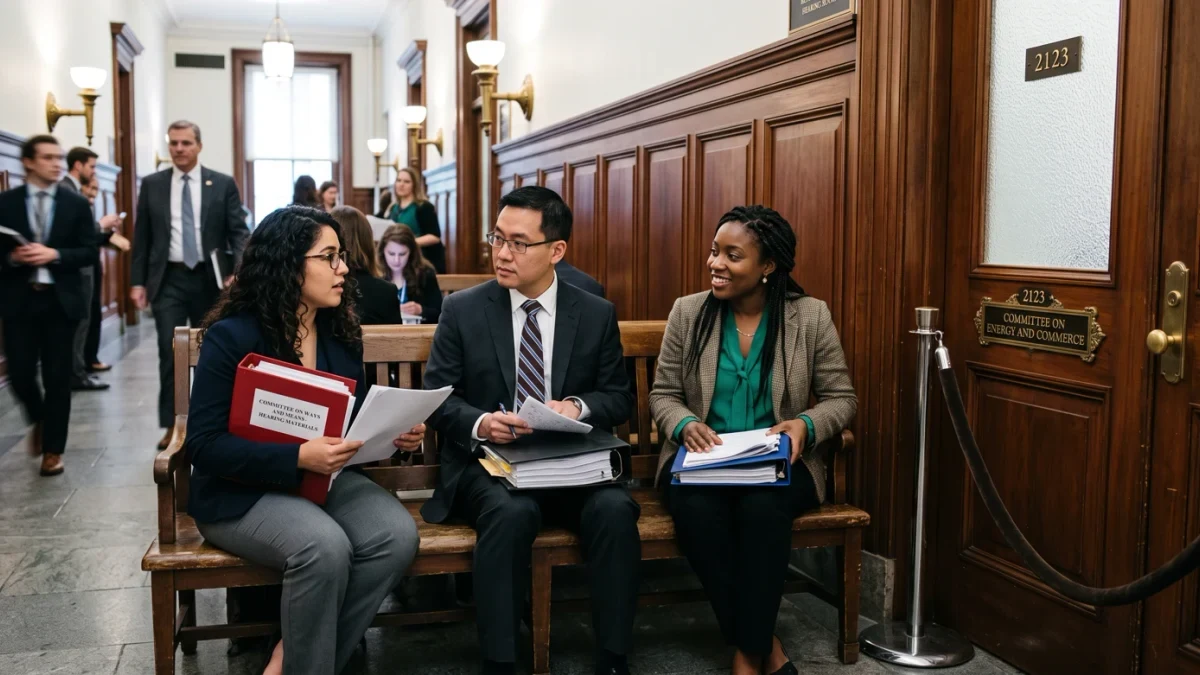
The committee chair decides whether to act. Chairs can hold hearings, mark up a bill, or simply let it sit, and a bill left in committee dies when the Congress adjourns. If the chair moves forward, the bill may go to a subcommittee for hearings where experts, agency officials, and the public testify. At markup, committee members propose amendments line by line and vote on the revised text. A majority of the committee must approve the bill before it moves. The committee then issues a written report explaining the bill's purpose, costs, and proposed changes. In the House, the chamber's procedure matters as much as the bill itself; most House bills first pass through the Rules Committee, which sets the terms of floor debate — how long it lasts and which amendments, if any, are in order.
How does a bill reach the floor and pass?
In the House, the Rules Committee issues a special rule or the bill moves under a suspension of the rules, which limits debate and bans floor amendments but requires a two-thirds vote. The House then debates under the assigned terms and votes. Most House votes are recorded electronically; members have a few minutes to cast them. In the Senate, the path is less scripted. Senators typically agree by unanimous consent to a time agreement; if any senator objects, the chamber must eventually break a filibuster with a cloture vote, which ordinarily requires 60 senators. A simple majority then decides the vote.
Why must both chambers pass the same text?
The Constitution requires identical wording. If the Senate amends a House bill, it can pass its version back to the House, and the House can simply accept the Senate amendment without a conference. When the two chambers disagree, leaders appoint a conference committee of members from both bodies to negotiate a single compromise text. The chambers then vote again on the conference report, with no further amendments allowed. Either chamber can reject the report and send negotiators back, which is one reason late-session spending bills stall for days at a time.
What are the president's options once a bill arrives?
The president has ten days, not counting Sundays, to act. Signing makes the bill law. Vetoing sends it back with objections, and Congress can override with a two-thirds vote in both chambers — historically rare. If the president does nothing and Congress is still in session after ten days, the bill becomes law without a signature. If Congress has adjourned, the bill dies unsigned; that is a pocket veto, and it cannot be overridden. enacted laws are assigned a public law number and later codified into the United States Code by subject.
Does this process differ for spending bills and resolutions?
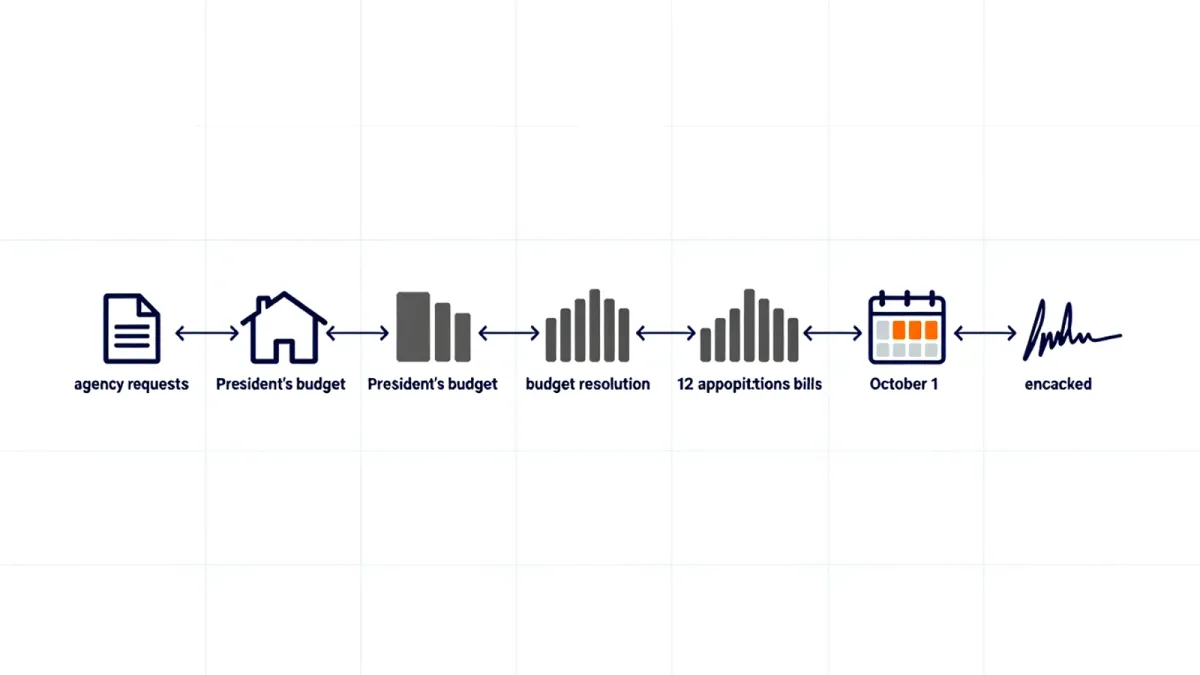
Spending bills follow the same route but face extra deadlines under the Congressional Budget Act, and they must originate in the House. Simple resolutions — like rules changes in one chamber — never go to the president and do not become law. Joint resolutions proposing constitutional amendments bypass the president entirely and go to the states for ratification. Everything else, from naming a post office to overhauling a tax code, runs through the same checkpoint list: introduction, referral, committee action, floor action in both chambers, reconciliation of the text, and presidential signature or an override.
Why do so many bills die along the way?
Most fail for structural reasons rather than opposition votes. The wrong chamber, an overloaded committee calendar, or a chair who never schedules markup will quietly end a bill with no record of anyone voting against it. Deadlines compound the problem: every action must be completed twice — once in each chamber — before a session ends on January 3 of odd years, when all pending bills are erased. Members respond by reintroducing their bills in the next Congress with a new number, which is why familiar proposals carry familiar titles year after year. Money matters too; a bill that creates a new program without an appropriation often passes symbolically and never receives funding. And some bills are never meant to pass at all. Messaging bills let members force recorded votes on popular or unpopular ideas without any intention of negotiating a final text, which inflates introduction counts and depresses the enactment rate.
Where can you track a bill yourself?
Congress.gov is the official tracker: search a bill number or topic and you will see its sponsors, text versions, committee assignments, votes, and a timeline of every action. The site also emails alerts when a bill you follow moves. Reading the actions list in order is the fastest way to tell whether a bill is genuinely advancing — referrals and hearings are early steps, while a conference report filed and scheduled for votes signals the endgame.