WIC is a federal nutrition program that gives low-income pregnant, postpartum, and breastfeeding parents and children under age 5 a monthly set of specific healthy foods, plus nutrition counseling and health screenings. It serves roughly 6.7 million participants a month, according to Agriculture Department data, and eligibility is based on three tests: who you are, how much your household earns, and whether you face a nutrition risk. Income limits are set at 185 percent of the federal poverty line, so a family of three qualified if it earned up to about $48,600 a year as of 2025. Unlike SNAP, WIC is not an entitlement: funding is capped, and some states keep short waiting lists when demand runs high.
What does WIC actually provide?
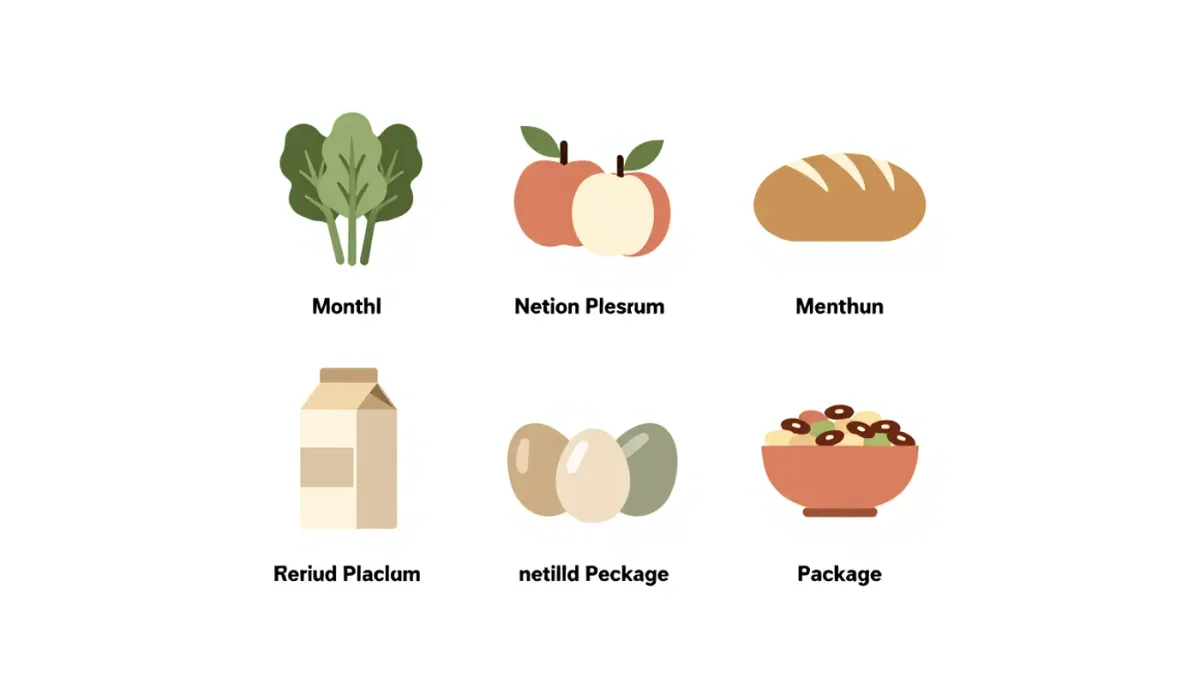
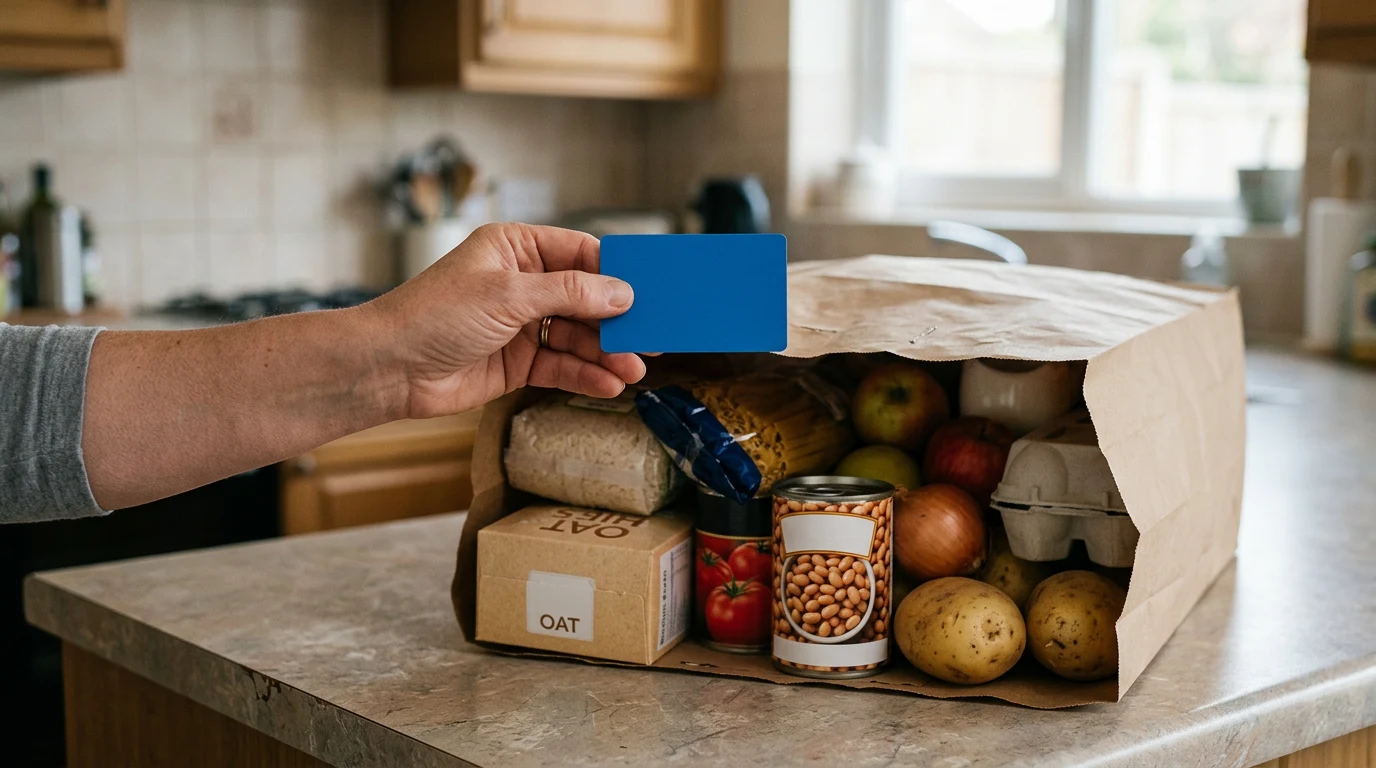
The core benefit is a monthly food package loaded onto an electronic benefits card, similar to a debit card, that you swipe at the grocery store. The package is designed to fill known nutrition gaps rather than cover a full food budget.
- Cereal, eggs, whole grains like bread, rice, or tortillas
- Milk, cheese, and yogurt
- Fruits and vegetables, with a cash-value amount each month
- Juice, peanut butter, dry or canned beans, and canned fish for breastfeeding parents
- Infant cereal and, for babies not fully breastfed, infant formula
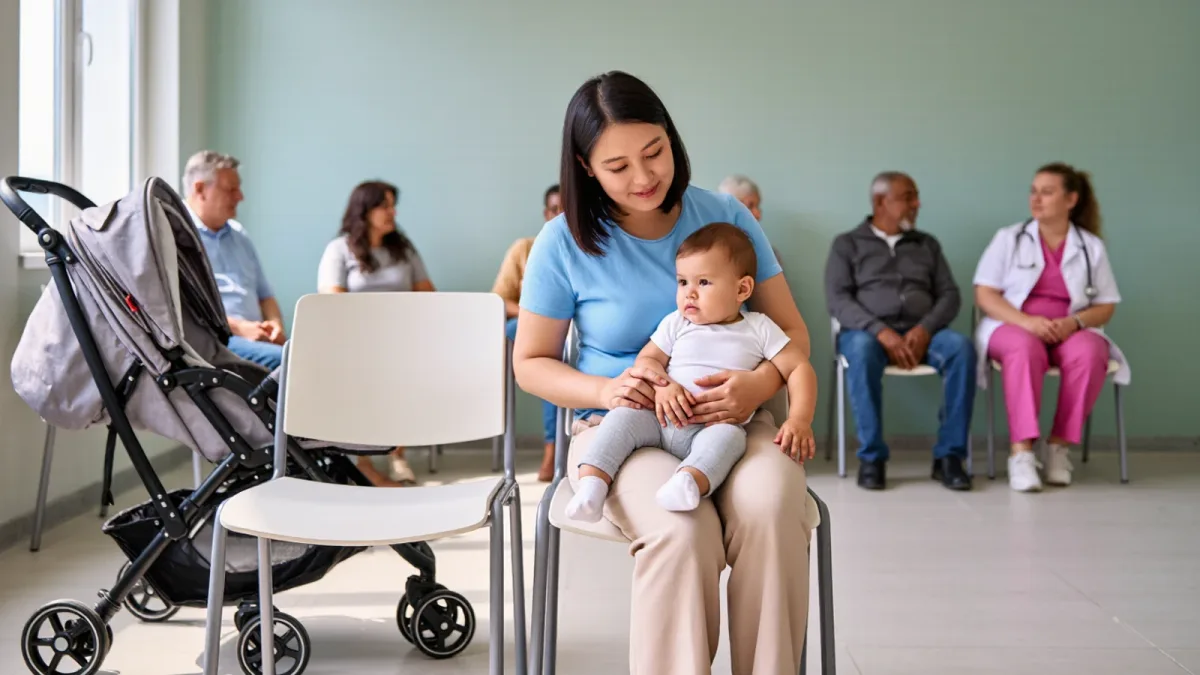
Beyond food, every WIC visit includes a weigh-in and a basic health screening, and staff connect families to immunizations, prenatal care, and other services. Breastfeeding support, including access to peer counselors and breast pumps in many clinics, is a standard part of the program.
Who counts as eligible?
WIC serves four categories of people: pregnant women, postpartum women for up to six months after birth, breastfeeding women for up to a year after birth, and infants and children up to their fifth birthday. Fathers, foster parents, and other caregivers can apply on behalf of an eligible child, and grandparents raising grandchildren are a common example. You do not need to be a US citizen to participate, and applying does not affect a green card application under current public charge rules.
What are the income limits?
Your gross household income must be at or below 185 percent of the federal poverty line. States set the exact dollar figures each year, and higher limits apply in Alaska and Hawaii. There is also an automatic pathway: if you already receive SNAP, Medicaid, or Temporary Assistance for Needy Families, you are considered income-eligible for WIC without a separate income test. Family size counts the unborn child for a pregnant applicant, which pushes many families over the threshold.
| Household size | Approximate annual income limit, 185% of poverty (2025, 48 states) |
|---|---|
| 2 | $37,800 |
| 3 | $47,400 |
| 4 | $57,000 |
| 5 | $66,600 |
Each state agency publishes its exact income guidelines, and the amounts above are rounded. If your family is close to the line, it is worth checking the current table rather than assuming you earn too much.
What does nutrition risk mean?
The third eligibility test is a nutrition risk assessment, and in practice nearly everyone who meets the income test qualifies here. At a WIC clinic, staff check height, weight, and blood iron levels and ask about diet and medical history. Common findings include anemia, a history of pregnancy complications, or simply a diet missing key nutrients. Federal rules treat any family at or below the income limit who has one identifiable risk as eligible, so this step rarely screens people out; it exists to shape the counseling you receive.
How do you apply for WIC?
- Find your local agency. WIC is administered by state health departments through county clinics and hospitals. Your state agency's website lists locations, or you can search the USDA's WIC directory.
- Call and schedule an appointment. Ask what documents to bring. Many clinics can do a phone or video prescreen first.
- Gather proof of income and identity. Bring recent pay stubs or a benefit letter for SNAP or Medicaid, an ID for yourself, and a birth certificate or crib card for each child applying.
- Attend the certification visit. Staff weigh and measure participants, check iron levels, and confirm eligibility. The visit usually takes an hour or so.
- Start using your benefits. You will get an eWIC card loaded with your food package and a list of approved foods for your state.
Certification lasts a set period, typically six months for children and postpartum women and up to a year for breastfeeding women and infants, after which you reapply. If your income changes, report it at recertification.
Can you get WIC and SNAP at the same time?
Yes, and many families do. The programs are separate and the benefits do not reduce each other. Receiving SNAP actually simplifies a WIC application because it satisfies the income test. WIC food purchases also do not count against SNAP eligibility, and the two cards work at the same checkout: WIC items are rung first, then the rest is paid with SNAP or cash. Stores that accept one program usually accept both, though WIC requires specific package sizes and brands.
What if you are working or newly employed?
Employment does not disqualify you; income does. WIC was designed for working families, and clinic hours in many areas include evenings and weekends for exactly that reason. If a raise pushes you slightly over the income limit mid-certification, you generally keep your benefits until the next recertification date. State income guidelines are updated every summer with the new poverty figures, so a family that was over the limit last year may qualify this year.
Where to start
The fastest path is your state WIC agency, which you can find through the USDA's Food and Nutrition Service website. SocialGov publishes information, not benefits advice, and cannot process applications; the clinic staff who run your local WIC program are the ones who can confirm eligibility and enroll you.