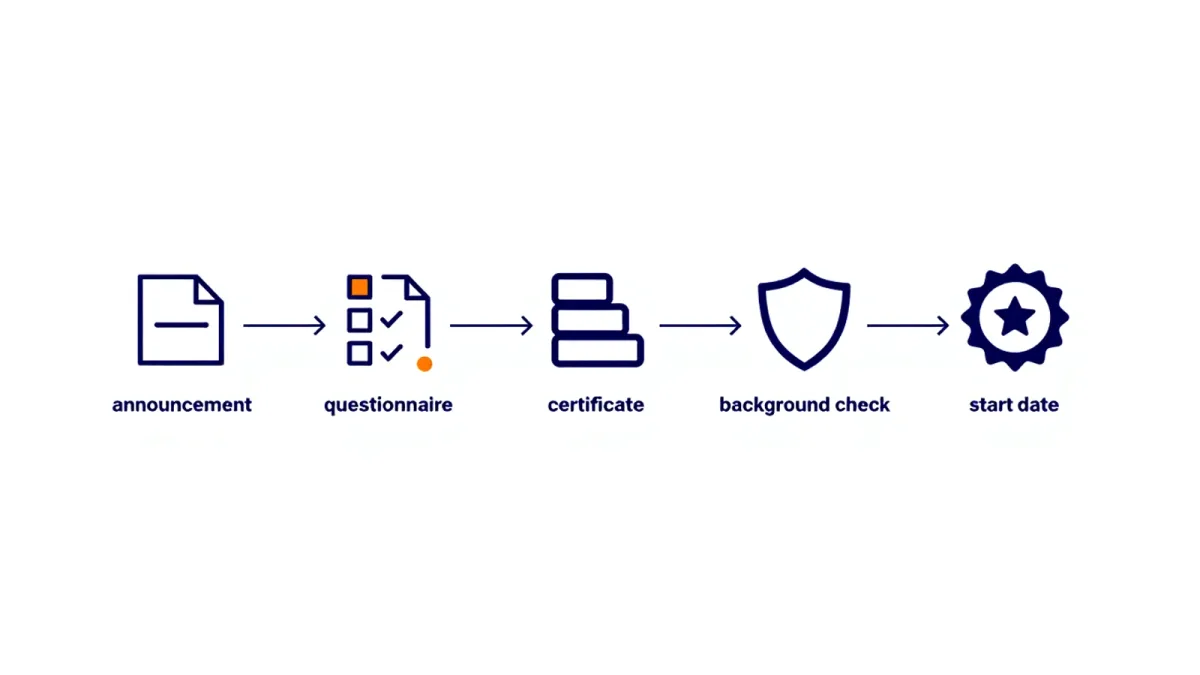
USAJobs.gov is the official job board for most of the federal government, and the competitive service — the majority of civilian positions — must fill vacancies through the process it hosts. A typical posting runs five to ten days, draws an assessment questionnaire every applicant must answer, and ends with a ranked list of qualified candidates from which the hiring manager selects. As of 2026 the site lists openings across hundreds of agencies and hiring paths for veterans, students, and people with disabilities. Knowing how the steps connect explains most rejections: applications are usually screened out by the questionnaire and resume review, not by an interview.
What is the competitive service, and does it apply to every job?
Federal positions fall into three groups. The competitive service, covering most civilian roles, requires open competition under rules the Office of Personnel Management administers. The excepted service — including intelligence agencies, the FBI, and some medical and attorney roles — hires under agency-specific authorities and often posts outside USAJobs. The senior executive service sits atop both. If the announcement says competitive service, the full process below applies; if it says excepted service, the agency has more discretion but the posting still appears on USAJobs for visibility.
How do you apply, and what does the questionnaire do?
An application has two parts that work together: your resume and a self-assessment questionnaire, sometimes with essay prompts. The questionnaire asks how your experience matches each required specialized competency — not education alone, but experience such as managing budgets, supervising staff, or operating specific systems — and at what level. Federal resumes differ from private-sector ones: they must include hours per week, months and years for each job, and supervisor contact information, or HR may not credit the experience at all. Your answers and resume are compared, and inconsistencies cost you. Veterans' preference adds points or ranking priority for eligible veterans under laws dating to the 1940s, with 5-point and 10-point categories and documentation requirements spelled out in each announcement.
What happens after the announcement closes?
Human resources specialists review applications against the minimum qualifications, then rate and rank the eligible pool, often placing candidates into category groups such as Best Qualified, Highly Qualified, and Qualified. They issue a certificate of eligibles to the hiring manager — typically the top candidates only — and the manager may interview from that certificate. The hiring manager selects, HR makes a tentative offer, and the conditional phase begins: background investigation, fingerprints, and any required medical or drug screening, plus a suitability determination. Some positions require a security clearance, which can add weeks or months. Only after the final offer does a start date get set.
How long does the process actually take?
| Step | Typical time |
|---|---|
| Announcement open period | 5 to 10 days |
| Rating, ranking, and certificate issuance | 2 to 6 weeks |
| Interviews and selection | 2 to 4 weeks |
| Background investigation and clearance | 2 weeks to 6 months or more |
| Final offer to start date | 1 to 4 weeks |
Agencies report time-to-hire in their human capital data, and the Government Accountability Office has repeatedly flagged slow hiring as a problem in recruiting — the total often runs three months or longer. New hires enter a probationary period, usually one year, during which performance can lead to termination with fewer procedural protections.
What do status and public announcements mean?
Some announcements are open to the public; others are limited to status candidates — current and former federal employees with competitive-service status. If you have never worked for the federal government, look for announcements marked open to the public, all U.S. citizens, or a specific hiring path you qualify for, such as recent graduates or individuals with disabilities through Schedule A hiring authority. Reading the eligibility block before writing a resume saves the most common wasted effort: applying to announcements you cannot be referred on.
What should you do while you wait?
The wait between application and decision is the part applicants control least, but preparation shortens the back end. Gather the documents HR will eventually request — transcripts, DD-214, professional licenses, and name-change records for the background investigation — before a tentative offer arrives. Respond quickly to HR emails, because referral lists expire and missed deadlines move you to the next announcement. If your status shows referred but no interview follows, the position may have been filled from the same certificate or canceled; applying to multiple compatible announcements is standard practice, not a sign of a problem with your file. And keep the resume updated: many agencies maintain standing announcements that draw from a pool year-round, and an updated file raises your score on the next round.
What are hiring paths and special authorities?
Announcements carry eligibility tags that determine who may apply. Recent graduates may qualify through the Pathways Programs, which include internships and a recent-graduates track tied to a degree earned within the previous two years. Individuals with disabilities can use Schedule A hiring, a streamlined authority that bypasses the competitive rating process with certification of eligibility. Veterans have their own preference categories, and military spouses may qualify for appointing authorities tied to a service member's orders. These authorities matter because they change the mechanics: a Schedule A hire can be appointed directly without a certificate, and a Pathways intern converts to a permanent role after completing program requirements. Checking which tags an announcement honors — they are listed in the eligibility section — tells you in advance whether the standard competitive route applies to you.
How should you read a job announcement?
Three sections decide everything. The duties tell you what the work actually is, which often differs from the job title. The specialized experience paragraph is the minimum qualification; your resume must mirror its language, because HR rates against that paragraph, not the title. The conditions of employment — travel, shifts, citizenship, clearance — are binding, and misstating any of them is grounds for withdrawal of an offer. USAJobs also saves profiles and resumes, sends saved-search alerts, and lets you track application status from received through referred or not referred, which tells you whether your application made the certificate at all.