The Federal Trade Commission's Rule on Unfair or Deceptive Fees — the junk-fee rule — took effect May 12, 2025, per the FTC's December 2024 announcement and the rule's Federal Register publication of Jan. 10, 2025. A year in, no court has enjoined the rule, and the action has shifted to enforcement: state and federal cases against booking platforms over drip pricing, including a $9.5 million settlement Texas reached with Booking.com's parent in August 2025, are defining what compliance looks like for the 2026 travel season.
What the rule requires
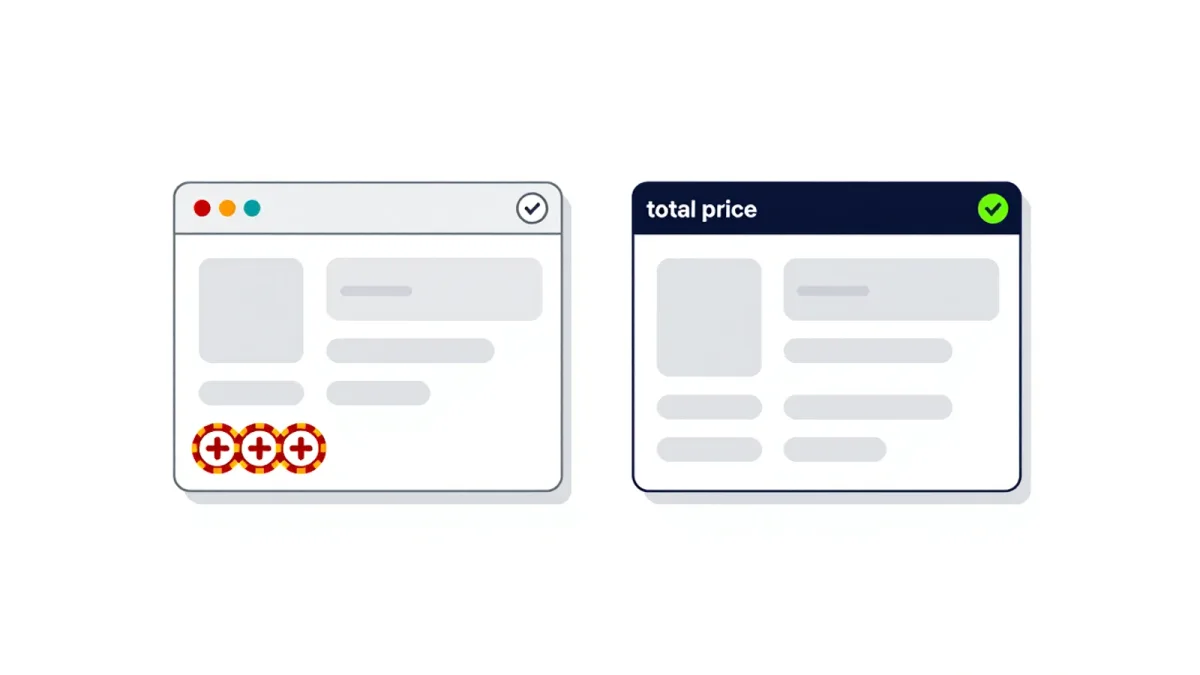
Businesses selling live-event tickets and short-term lodging — hotels, motels, vacation rentals — must disclose the total price, including all mandatory fees such as resort, destination, and service fees, clearly and conspicuously, before the consumer is asked to pay. The rule prohibits advertising a lower headline price that only grows at checkout, a practice known as drip pricing. It does not ban resort fees themselves, and it does not restrict optional fees as long as they are disclosed, per the FTC's business guidance. Violations can carry civil penalties, which the FTC has cited at more than $50,000 per violation.
Litigation and enforcement
The hotel industry's trade association opposed the rule and pressed for its rescission, but no broad legal challenge has stopped it, a contrast with other FTC rules that courts vacated in recent years. What has moved are enforcement matters: Texas's August 2025 settlement with the parent of Booking.com over deceptive hotel-fee marketing, and the FTC's own settlements over hidden-fee practices in travel apps. Those cases apply state consumer-protection law alongside the federal rule and give sellers a clearer picture of the enforcement line.
Who is affected?
Travelers and concertgoers see the change directly: the price on the first screen should now be the price with mandatory fees included. Hotels, short-term rental hosts, and ticketing platforms carry the compliance burden, including updating displayed prices across search results, listings, and checkout flows. Several states, including Colorado and Minnesota, layer their own total-price statutes on top of the federal rule, so multistate sellers must meet the strictest applicable standard.
What it means for you
When you shop for a hotel room or an event ticket, the all-in price should appear up front; if it does not, that is a reportable practice, and the FTC's report-fraud page and your state attorney general both take complaints. Compare total prices rather than base rates, since the rule makes those comparisons meaningful for the first time. Note that optional add-ons remain legal, so read what is included in the total before you pay.
What happens next?
The FTC can bring its first rule-based cases against lodging and ticketing firms as conduct since May 12, 2025 accumulates, and further state actions are likely. Legislative proposals to codify junk-fee protections across more industries recur in Congress each session. For now the rule stands as written, and its second year will show whether compliance at the big platforms spreads through the rest of the market.